CITES App. II
Acant Echinata "SALE ITEM"
Acanthastrea echinata
In Stock
Common stock
Aquacultured
Easy care
Reef Safe ✓
SKU: CRACANacan17
Acanthastrea echinata, or starry cup coral, is a vibrant and hardy species perfect for reef aquariums.
Pricing for Verified Importers
Log in to see wholesale prices and order.
Export Size
up to 20.0 cm
Origin
Coral Triangle
Temperature
24.0–28.0°C
Min. Tank Size
100 L
Salinity
35.000–40.000 ppt
pH
8.10–8.40
Diet
omnivore
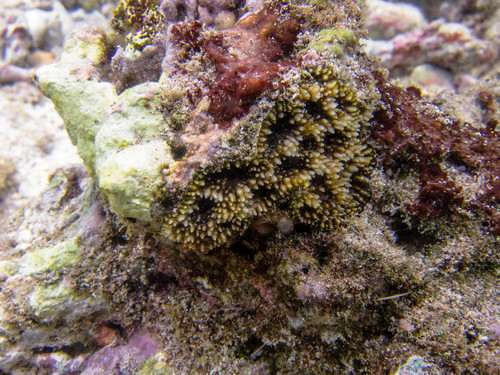
Acanthastrea echinata, commonly known as the starry cup coral, is a captivating species in the family Lobophylliidae. This coral is widely distributed across the western Indian Ocean, throughout the Pacific, and extends to the southeastern Atlantic Ocean, showcasing its adaptability to various marine environments. Typically found inhabiting reef habitats at depths of up to 50 meters, it thrives in both shallow and deeper waters, making it a resilient choice for aquarists.
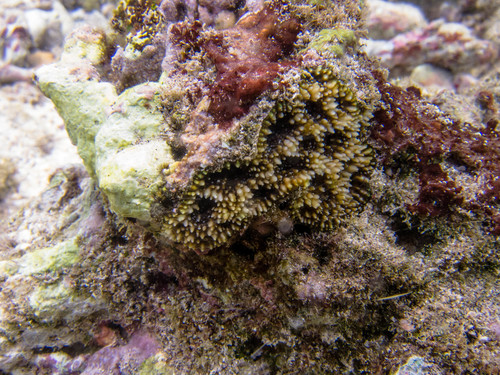
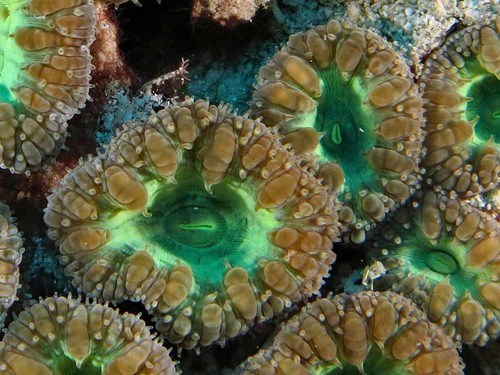
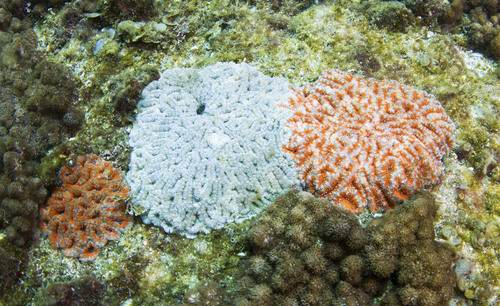
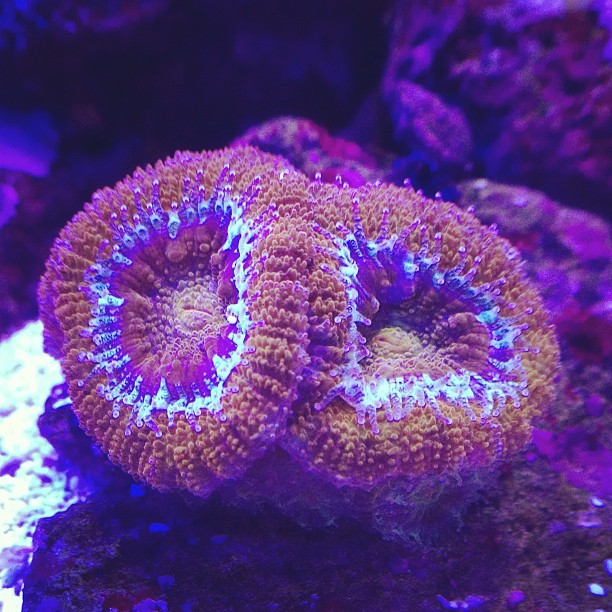
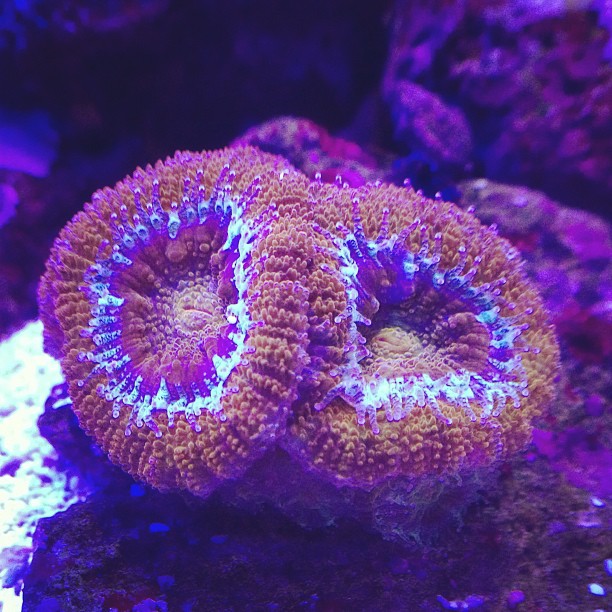
Visually, Acanthastrea echinata is characterized by its unique star-like polyp arrangement and vibrant coloration, which can vary from greens to blues, and even deep reds, depending on the lighting and overall health of the coral. These corals exhibit a robust structure, often forming large, encrusting colonies that can add texture and color to any reef setup. Their polyps are usually extended at night, providing a stunning display that captivates both hobbyists and visitors alike.
Behaviorally, Acanthastrea echinata is known for its relatively peaceful nature, making it suitable for community reef tanks. This species benefits from moderate water flow and lighting, which encourages their growth and vibrant coloration. They are also capable of expanding their feeding habits when given the opportunity, making them an interesting addition to any marine ecosystem.
In terms of habitat, starry cup corals are adaptable and can thrive in various conditions, from nutrient-rich waters to more oligotrophic environments. Their ability to adjust to differing depths and light levels makes them a valuable species in both natural and artificial environments, although they face threats from the global decline of coral reefs, emphasizing the importance of responsible sourcing and conservation efforts.
Visually, Acanthastrea echinata is characterized by its unique star-like polyp arrangement and vibrant coloration, which can vary from greens to blues, and even deep reds, depending on the lighting and overall health of the coral. These corals exhibit a robust structure, often forming large, encrusting colonies that can add texture and color to any reef setup. Their polyps are usually extended at night, providing a stunning display that captivates both hobbyists and visitors alike.
Behaviorally, Acanthastrea echinata is known for its relatively peaceful nature, making it suitable for community reef tanks. This species benefits from moderate water flow and lighting, which encourages their growth and vibrant coloration. They are also capable of expanding their feeding habits when given the opportunity, making them an interesting addition to any marine ecosystem.
In terms of habitat, starry cup corals are adaptable and can thrive in various conditions, from nutrient-rich waters to more oligotrophic environments. Their ability to adjust to differing depths and light levels makes them a valuable species in both natural and artificial environments, although they face threats from the global decline of coral reefs, emphasizing the importance of responsible sourcing and conservation efforts.
For optimal care of Acanthastrea echinata, maintaining stable water parameters is crucial. Ideal conditions include a temperature range of 24-28°C, salinity between 35-40 ppt, and a pH level between 8.1 and 8.4. Regular monitoring is essential to keep these parameters within the recommended ranges to ensure the health of the corals.
Feeding Acanthastrea echinata involves offering a variety of foods, including meaty foods like brine shrimp and mysis shrimp, as well as high-quality coral pellets. While they can derive some energy from photosynthesis, regular supplemental feeding will enhance their growth and coloration. Compatibility-wise, these corals are generally peaceful and can be housed with a variety of other reef species, but care should be taken to avoid aggressive tank mates that may harm them.
Acclimation is a critical step when introducing Acanthastrea echinata to a new environment. A slow acclimation process over several hours can help mitigate stress. Additionally, a quarantine period of at least two weeks is recommended to ensure the coral is free from pests and diseases before introducing it to the main tank. Regular observation will aid in identifying any potential issues early on.
Feeding Acanthastrea echinata involves offering a variety of foods, including meaty foods like brine shrimp and mysis shrimp, as well as high-quality coral pellets. While they can derive some energy from photosynthesis, regular supplemental feeding will enhance their growth and coloration. Compatibility-wise, these corals are generally peaceful and can be housed with a variety of other reef species, but care should be taken to avoid aggressive tank mates that may harm them.
Acclimation is a critical step when introducing Acanthastrea echinata to a new environment. A slow acclimation process over several hours can help mitigate stress. Additionally, a quarantine period of at least two weeks is recommended to ensure the coral is free from pests and diseases before introducing it to the main tank. Regular observation will aid in identifying any potential issues early on.
Acanthastrea echinata is suitable for shipping, provided that proper care is taken during transit. It is recommended to pack them in secure, breathable containers with adequate water to maintain hydration. The ideal shipping temperature should be maintained between 22-26°C to avoid stress. Ensure that CITES regulations are adhered to, as this species is not currently listed under CITES, but local export laws must be followed.
Species Parameters
Max Adult Size
20.0 cm
Origin
Coral Triangle
Habitat
reef
Diet
omnivore
Temp Min
24.0 °C
Temp Max
28.0 °C
Salinity Min
35.000
Salinity Max
40.000
pH Min
8.10
pH Max
8.40
Min Tank
100 L