CITES App. II
Acanthastrea Red Acanthastrea Lord Red Metalic
Acanthastrea lordhowensis
In Stock
Common stock
Aquacultured
Easy care
Reef Safe ✓
SKU: CRACANacan7
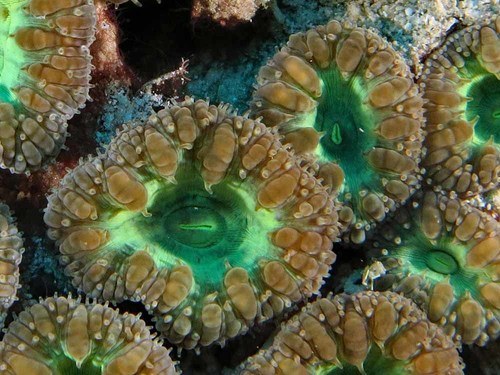
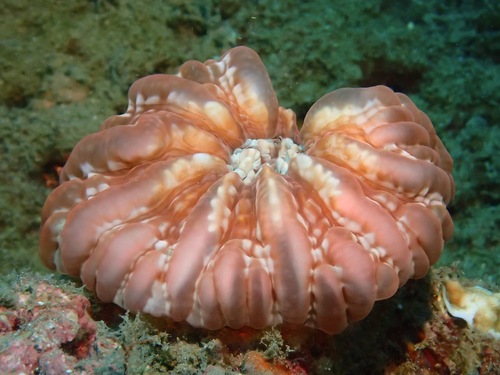
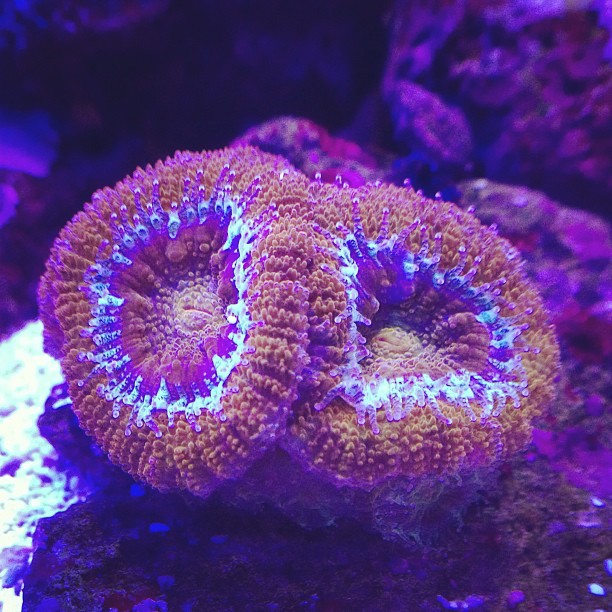
Acanthastrea Lord Red Metallic showcases stunning vibrant colors, making it a focal point in any reef aquarium.
Pricing for Verified Importers
Log in to see wholesale prices and order.
Export Size
up to 15.0 cm
Origin
Indo-Pacific
Temperature
24.0–28.0°C
Min. Tank Size
100 L
Salinity
34.000–36.000 ppt
pH
8.10–8.40
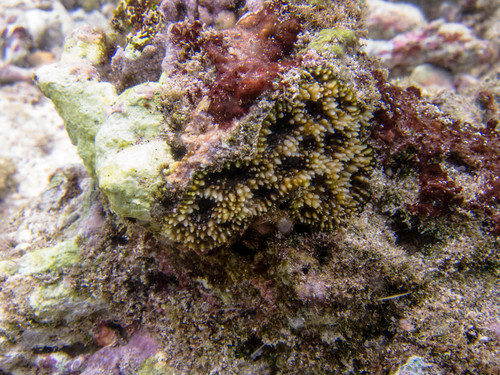
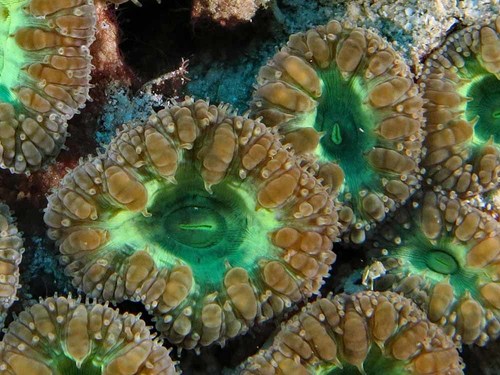
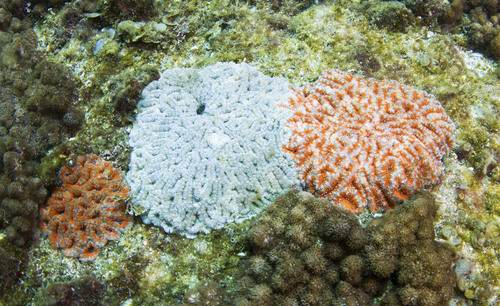
Acanthastrea lordhowensis, commonly known as the Acan Lord, is a captivating species of stony coral belonging to the family Lobophylliidae. This coral is characterized by its large, fleshy polyps that exhibit a remarkable array of colors, including vibrant reds, greens, and blues. The Acan Lord is predominantly found in shallow reef environments across the Indo-Pacific Ocean, where it thrives in diverse marine habitats. Its reclassification from Acanthastrea to Micromussa in 2016 highlights its unique biological characteristics and importance in coral taxonomy.
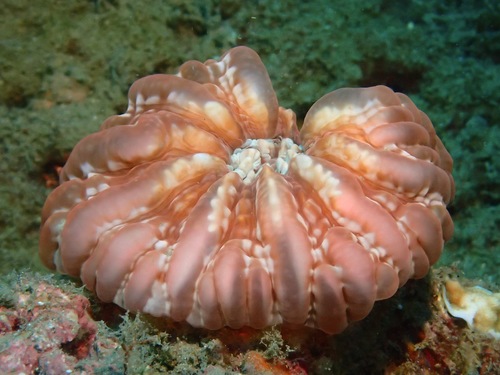
In terms of appearance, the Acan Lord is notable for its thick, meaty polyps that can expand significantly during the night to capture food and oxygen. The coloration is often metallic, offering a striking visual appeal that attracts both hobbyists and collectors. These corals can form large, flat colonies that provide essential structure and habitat for various marine organisms, contributing to the overall biodiversity of reef ecosystems.
Behaviorally, Acanthastrea lordhowensis exhibits a symbiotic relationship with zooxanthellae, photosynthetic algae that live within its tissues. This relationship allows the coral to derive energy from sunlight, making it partially photosynthetic. However, it also requires supplemental feeding, particularly during the evening when its polyps are actively feeding. The Acan Lord is known for its resilience and adaptability in varying environmental conditions, which makes it a suitable choice for both novice and experienced aquarists.
The natural habitat of Acanthastrea lordhowensis includes shallow lagoons and reef slopes, where it can be found on sandy or rocky substrates. Its ability to tolerate a range of light and water conditions allows it to thrive in various marine settings, making it a popular species for aquarium displays. As a coral that contributes to reef structures, it plays a critical role in maintaining the health and stability of its ecosystem.
In terms of appearance, the Acan Lord is notable for its thick, meaty polyps that can expand significantly during the night to capture food and oxygen. The coloration is often metallic, offering a striking visual appeal that attracts both hobbyists and collectors. These corals can form large, flat colonies that provide essential structure and habitat for various marine organisms, contributing to the overall biodiversity of reef ecosystems.
Behaviorally, Acanthastrea lordhowensis exhibits a symbiotic relationship with zooxanthellae, photosynthetic algae that live within its tissues. This relationship allows the coral to derive energy from sunlight, making it partially photosynthetic. However, it also requires supplemental feeding, particularly during the evening when its polyps are actively feeding. The Acan Lord is known for its resilience and adaptability in varying environmental conditions, which makes it a suitable choice for both novice and experienced aquarists.
The natural habitat of Acanthastrea lordhowensis includes shallow lagoons and reef slopes, where it can be found on sandy or rocky substrates. Its ability to tolerate a range of light and water conditions allows it to thrive in various marine settings, making it a popular species for aquarium displays. As a coral that contributes to reef structures, it plays a critical role in maintaining the health and stability of its ecosystem.
For optimal care of Acanthastrea lordhowensis, maintaining stable water parameters is crucial. Ideal temperature ranges from 24°C to 28°C, with a salinity level between 34-36 ppt. The pH should be kept between 8.1 and 8.4 to promote healthy growth. This coral benefits from moderate to high light levels; however, it should be acclimated to intense lighting gradually to prevent bleaching.
Feeding is essential for Acan Lords, as they require both light for photosynthesis and supplemental feedings of meaty foods such as brine shrimp, mysis shrimp, or specialized coral foods. This species is semi-aggressive; hence, care should be taken when placing it in proximity to other corals to avoid territorial disputes. It is advisable to allow adequate space between corals to prevent stinging.
Acclimation is best achieved through a slow drip method over several hours to reduce stress. Quarantine new specimens for at least two weeks prior to introduction into a main display tank to ensure they are free from pests and diseases. Regular monitoring of water quality and parameters is vital to maintain the health of this vibrant coral species.
Feeding is essential for Acan Lords, as they require both light for photosynthesis and supplemental feedings of meaty foods such as brine shrimp, mysis shrimp, or specialized coral foods. This species is semi-aggressive; hence, care should be taken when placing it in proximity to other corals to avoid territorial disputes. It is advisable to allow adequate space between corals to prevent stinging.
Acclimation is best achieved through a slow drip method over several hours to reduce stress. Quarantine new specimens for at least two weeks prior to introduction into a main display tank to ensure they are free from pests and diseases. Regular monitoring of water quality and parameters is vital to maintain the health of this vibrant coral species.
Acanthastrea lordhowensis is suitable for shipping due to its robust nature. Packing density should be moderate to ensure adequate space and ventilation during transport. Temperature sensitivity requires maintaining a stable range between 24°C and 28°C throughout shipping. This species is not listed under CITES, allowing for easier export regulations.
Species Parameters
Max Adult Size
15.0 cm
Origin
Indo-Pacific
Habitat
reef
Temp Min
24.0 °C
Temp Max
28.0 °C
Salinity Min
34.000
Salinity Max
36.000
pH Min
8.10
pH Max
8.40
Min Tank
100 L