CITES App. II
Acanthastrea maxima "SALE ITEM"
Acanthastrea maxima
In Stock
Common stock
Aquacultured
Easy care
Reef Safe ✓
SKU: CRACANacan16
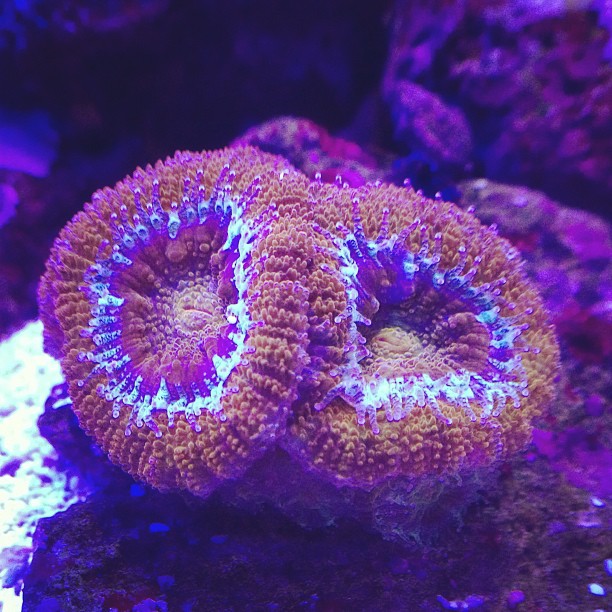
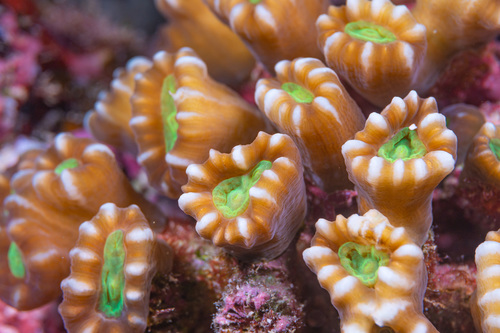
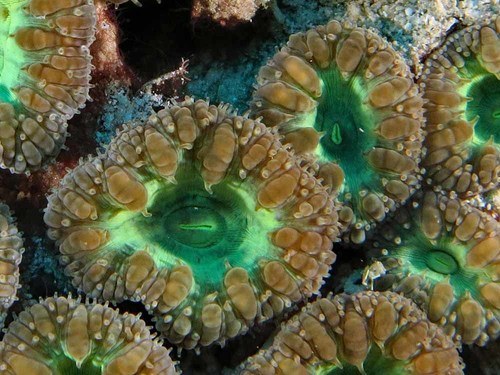
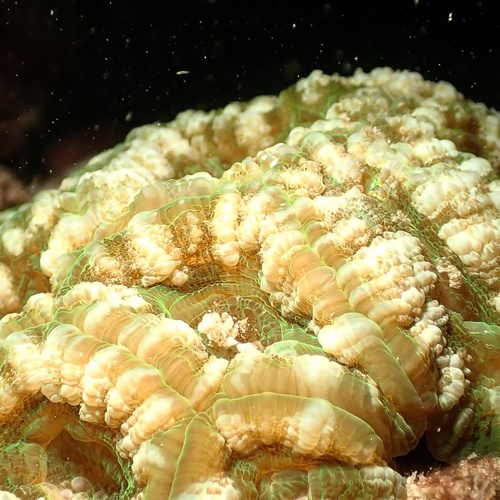
Acanthastrea maxima is a stunning coral species known for its vibrant colors and unique morphology, making it a prized addition to any reef aquarium.
Pricing for Verified Importers
Log in to see wholesale prices and order.
Export Size
up to 15.0 cm
Origin
Coral Triangle
Temperature
24.0–28.0°C
Min. Tank Size
100 L
Salinity
1.023–1.025 ppt
pH
8.10–8.40
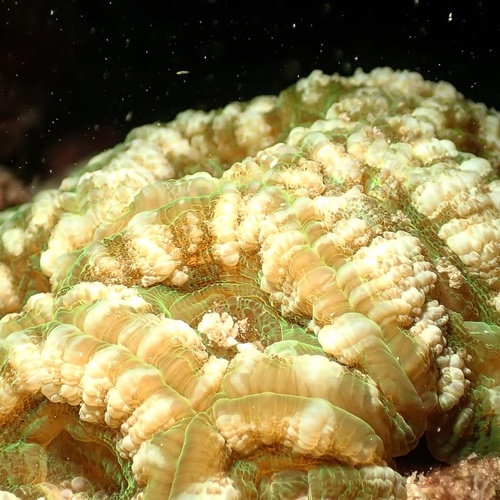
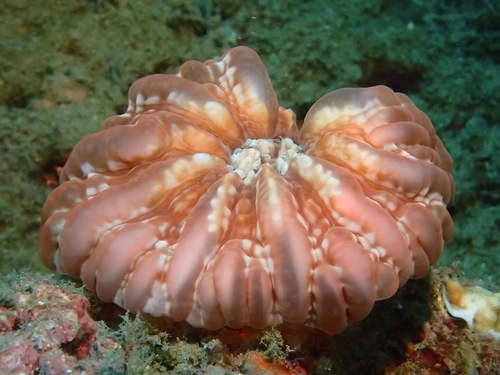
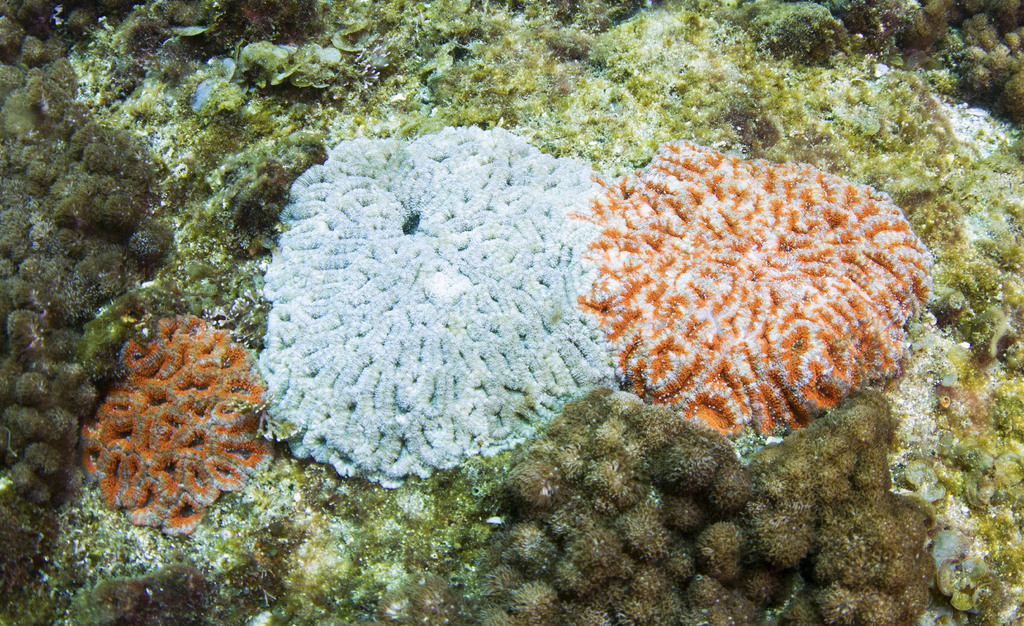
Acanthastrea maxima, commonly referred to as the 'Maxima Coral,' is a fascinating species native to the Coral Triangle, specifically found in the warm, shallow waters of the Indo-Pacific region. This coral is particularly renowned for its striking coloration, which can range from deep greens and blues to vibrant reds and purples, often exhibiting intricate patterns that enhance its aesthetic appeal in marine aquariums. The polyp structure of Acanthastrea maxima is distinctive, featuring a robust skeleton that supports large, fleshy polyps that can expand dramatically during the day to capture sunlight and feed.
In terms of natural history, Acanthastrea maxima thrives in diverse reef environments, typically found in areas with moderate to strong water flow and ample light. This species plays a crucial role in reef ecosystems, contributing to the structural complexity of coral reefs and providing habitats for a variety of marine organisms. Its ability to adapt to different lighting conditions makes it a versatile choice for aquarists, allowing for its inclusion in various aquarium setups.
Behaviorally, Acanthastrea maxima is relatively peaceful, making it compatible with many other coral species and reef inhabitants. However, it can exhibit aggressive tendencies toward other corals, particularly if space is limited. Therefore, providing adequate spacing between corals is essential to ensure healthy growth and prevent aggressive interactions. This species is also photosynthetic, relying on symbiotic zooxanthellae algae for energy, but it can benefit from supplemental feeding of micro-particles or coral-specific foods, particularly in lower light conditions.
Overall, Acanthastrea maxima not only enhances the beauty of marine aquariums but also plays a vital ecological role in its natural habitat, making it a significant species for both aquarists and reef conservation efforts.
In terms of natural history, Acanthastrea maxima thrives in diverse reef environments, typically found in areas with moderate to strong water flow and ample light. This species plays a crucial role in reef ecosystems, contributing to the structural complexity of coral reefs and providing habitats for a variety of marine organisms. Its ability to adapt to different lighting conditions makes it a versatile choice for aquarists, allowing for its inclusion in various aquarium setups.
Behaviorally, Acanthastrea maxima is relatively peaceful, making it compatible with many other coral species and reef inhabitants. However, it can exhibit aggressive tendencies toward other corals, particularly if space is limited. Therefore, providing adequate spacing between corals is essential to ensure healthy growth and prevent aggressive interactions. This species is also photosynthetic, relying on symbiotic zooxanthellae algae for energy, but it can benefit from supplemental feeding of micro-particles or coral-specific foods, particularly in lower light conditions.
Overall, Acanthastrea maxima not only enhances the beauty of marine aquariums but also plays a vital ecological role in its natural habitat, making it a significant species for both aquarists and reef conservation efforts.
To ensure the successful care of Acanthastrea maxima, maintaining stable water parameters is critical. Ideal conditions include a temperature range of 24-28°C, a salinity level of 1.023-1.025 ppt, and a pH between 8.1 and 8.4. Regular monitoring of these parameters will help in promoting optimal growth and health. When introducing Acanthastrea maxima to a new aquarium, acclimation should be done slowly over several hours to minimize stress, using the drip acclimation method if possible.
Feeding Acanthastrea maxima can enhance its vibrancy and overall health. While it primarily derives nutrients through photosynthesis, offering finely crushed coral food or planktonic supplements a few times a week will support its growth and coloration. Compatibility with tank mates is generally favorable, but care should be taken to avoid aggressive species that may harm the coral. Additionally, providing adequate spacing from other corals is crucial to prevent stinging from its sweeper tentacles.
Quarantine is recommended for all new coral arrivals to prevent the introduction of pests or diseases. A period of 2-4 weeks in a separate tank will allow for observation and treatment if necessary. During this time, ensure stable water conditions and provide low to moderate lighting to help the coral acclimate before introducing it to the main display tank.
Feeding Acanthastrea maxima can enhance its vibrancy and overall health. While it primarily derives nutrients through photosynthesis, offering finely crushed coral food or planktonic supplements a few times a week will support its growth and coloration. Compatibility with tank mates is generally favorable, but care should be taken to avoid aggressive species that may harm the coral. Additionally, providing adequate spacing from other corals is crucial to prevent stinging from its sweeper tentacles.
Quarantine is recommended for all new coral arrivals to prevent the introduction of pests or diseases. A period of 2-4 weeks in a separate tank will allow for observation and treatment if necessary. During this time, ensure stable water conditions and provide low to moderate lighting to help the coral acclimate before introducing it to the main display tank.
Acanthastrea maxima is suitable for shipping due to its hardiness and adaptability. Packing should include breathable materials to prevent moisture buildup, and the coral should be placed in containers with adequate water volume to minimize stress. Recommended temperature during transit is between 22-26°C, and care should be taken to avoid extreme fluctuations. This species is not currently listed under CITES, but compliance with local export regulations is necessary.
Species Parameters
Max Adult Size
15.0 cm
Origin
Coral Triangle
Habitat
reef
Temp Min
24.0 °C
Temp Max
28.0 °C
Salinity Min
1.023
Salinity Max
1.025
pH Min
8.10
pH Max
8.40
Min Tank
100 L