CITES App. II
Green Encrusting Coral
Blastomussa wellsi
In Stock
Common stock
Maricultured
Experienced care
Reef Safe ✓
SKU: CB-HC-0203
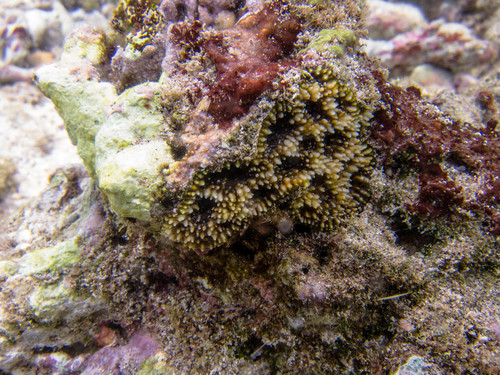
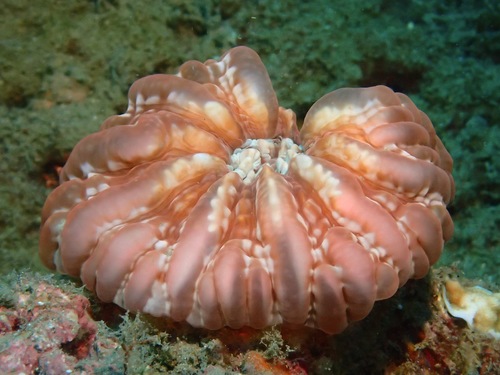
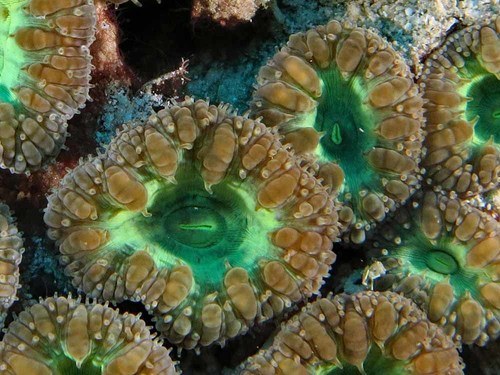
The Green Encrusting Coral is a stunning addition to any reef aquarium, known for its vibrant coloration and hardiness.
Pricing for Verified Importers
Log in to see wholesale prices and order.
Export Size
up to 30.0 cm
Origin
Indo-Pacific
Temperature
24.0–28.0°C
Min. Tank Size
100 L
Salinity
1.020–1.025 ppt
pH
8.10–8.40
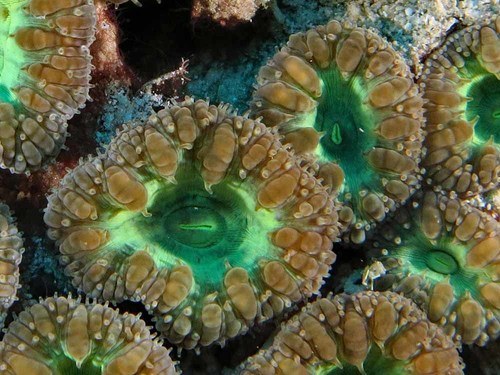
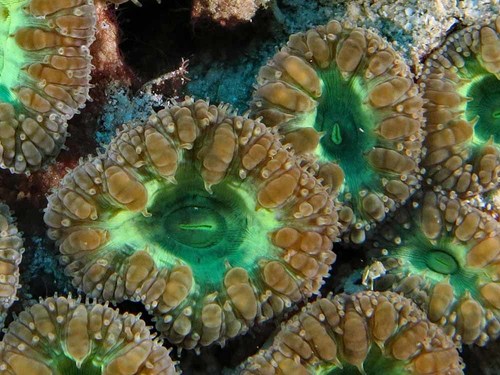
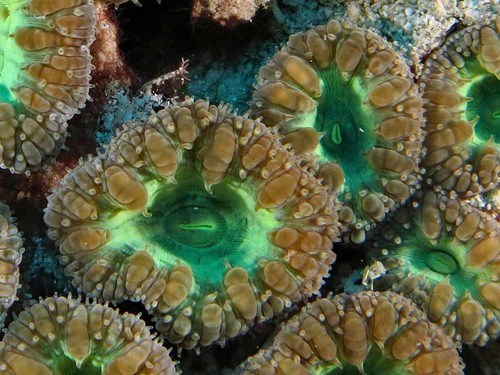
Blastomussa wellsi, commonly known as the Green Encrusting Coral, is a large polyp stony coral found primarily in the west and central Indo-Pacific regions. This species is characterized by its brilliant green coloration, which can range from deep emerald to bright lime green, often with contrasting colors in its polyp structures. Its unique appearance and growth form create a visually striking addition to reef aquariums, making it a popular choice among marine enthusiasts.
In terms of natural history, Blastomussa wellsi thrives in shallow marine environments, often found in protected lagoons and on reef slopes. It typically grows in colonies, forming broad encrusting mats that can expand over time. The coral's polyps are large and fleshy, which allows for effective feeding and interaction with its environment. While its specific family classification remains unclear, its adaptability and resilience contribute to its success in various habitats.
Behaviorally, this coral exhibits a peaceful temperament, making it compatible with various reef inhabitants. It primarily relies on photosynthesis, utilizing symbiotic algae called zooxanthellae, but it can also benefit from supplemental feeding. The Green Encrusting Coral is known to extend its polyps during the day, creating a stunning display that captures the attention of aquarists and visitors alike. As a slow-growing species, it requires patience and care to thrive in captivity.
In the wild, Blastomussa wellsi plays a crucial role in reef ecosystems, providing habitat and food for various marine organisms. Its ecological significance, along with its impressive aesthetic appeal, underscores the importance of sustainable harvesting practices for this beautiful coral species.
In terms of natural history, Blastomussa wellsi thrives in shallow marine environments, often found in protected lagoons and on reef slopes. It typically grows in colonies, forming broad encrusting mats that can expand over time. The coral's polyps are large and fleshy, which allows for effective feeding and interaction with its environment. While its specific family classification remains unclear, its adaptability and resilience contribute to its success in various habitats.
Behaviorally, this coral exhibits a peaceful temperament, making it compatible with various reef inhabitants. It primarily relies on photosynthesis, utilizing symbiotic algae called zooxanthellae, but it can also benefit from supplemental feeding. The Green Encrusting Coral is known to extend its polyps during the day, creating a stunning display that captures the attention of aquarists and visitors alike. As a slow-growing species, it requires patience and care to thrive in captivity.
In the wild, Blastomussa wellsi plays a crucial role in reef ecosystems, providing habitat and food for various marine organisms. Its ecological significance, along with its impressive aesthetic appeal, underscores the importance of sustainable harvesting practices for this beautiful coral species.
To ensure the health and vitality of Blastomussa wellsi, maintaining optimal water parameters is crucial. Ideal conditions include a temperature range of 24-28°C, salinity levels between 1.020 and 1.025 ppt, and pH levels maintained between 8.1 and 8.4. Providing stable water quality with low nitrates and phosphates will promote its growth and coloration.
Feeding the Green Encrusting Coral can enhance its health. While it derives energy from light through photosynthesis, offering supplemental feedings of planktonic foods or coral-specific products a few times a week can be beneficial. Compatibility with other marine life is excellent, but caution should be exercised with aggressive species that may compete for space.
Acclimation is essential when introducing this coral to a new tank. A slow drip acclimation process over several hours is recommended to minimize stress. Quarantine is also advised for new arrivals to ensure they are free from pests and diseases that could affect the main display tank. Regular monitoring and maintenance will help ensure the long-term success of this captivating coral species.
Feeding the Green Encrusting Coral can enhance its health. While it derives energy from light through photosynthesis, offering supplemental feedings of planktonic foods or coral-specific products a few times a week can be beneficial. Compatibility with other marine life is excellent, but caution should be exercised with aggressive species that may compete for space.
Acclimation is essential when introducing this coral to a new tank. A slow drip acclimation process over several hours is recommended to minimize stress. Quarantine is also advised for new arrivals to ensure they are free from pests and diseases that could affect the main display tank. Regular monitoring and maintenance will help ensure the long-term success of this captivating coral species.
Blastomussa wellsi is suitable for shipping due to its hardiness. It should be packed securely in damp substrates or with wet paper to maintain moisture during transit. The ideal shipping temperature is between 20-24°C to prevent stress. Ensure proper air circulation and avoid overcrowding to minimize damage. This species is not listed under CITES, allowing for easier export procedures.
Species Parameters
Max Adult Size
30.0 cm
Origin
Indo-Pacific
Temp Min
24.0 °C
Temp Max
28.0 °C
Salinity Min
1.020
Salinity Max
1.025
pH Min
8.10
pH Max
8.40
Min Tank
100 L