CITES App. II
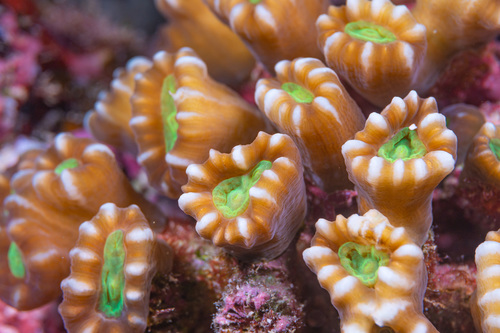
Red Big Polyp Blastomussa Cora
Blastomussa wellsi
In Stock
Common stock
Aquacultured
Easy care
Reef Safe ✓
SKU: CRBLASred
Discover the vibrant Red Big Polyp Blastomussa Cora, a stunning addition to any aquarium.
Pricing for Verified Importers
Log in to see wholesale prices and order.
Export Size
up to 20.0 cm
Origin
Indo-Pacific
Temperature
24.0–28.0°C
Min. Tank Size
100 L
Salinity
33.000–35.000 ppt
pH
8.10–8.40
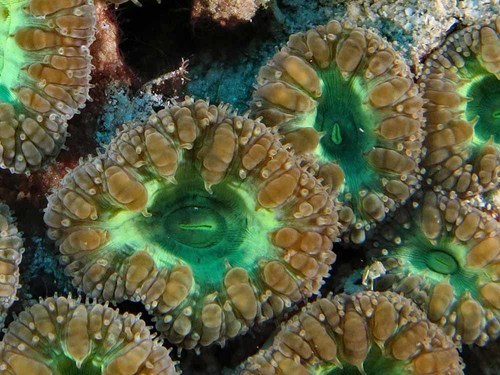
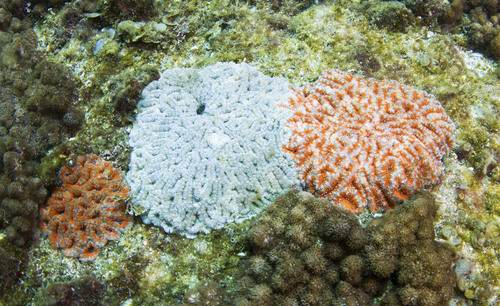
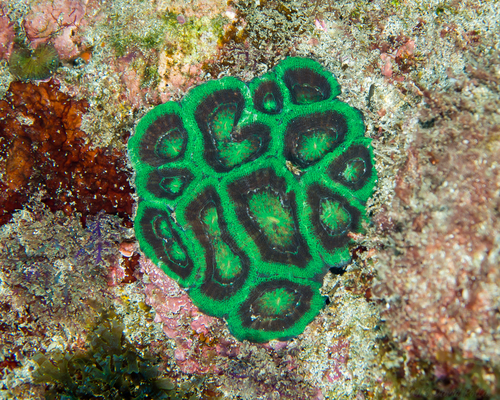
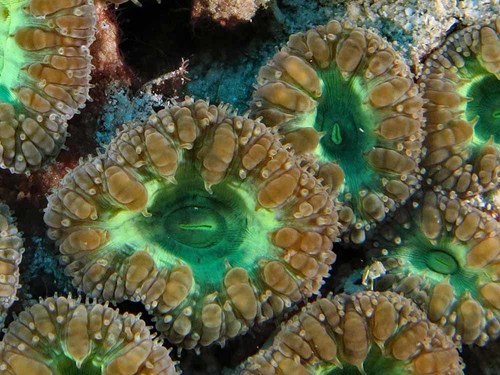
Blastomussa wellsi, commonly known as the Red Big Polyp Blastomussa Cora, is a captivating species of large polyp stony coral found predominantly in the west and central Indo-Pacific regions. This coral is particularly valued for its striking coloration and large, fleshy polyps that can extend well beyond the hard skeleton, creating a visually stunning display in marine aquariums. The vibrant reds and greens of this species make it a popular choice among coral enthusiasts and aquarium importers alike.
In terms of natural history, Blastomussa wellsi typically inhabits shallow reef environments where it can receive ample light while also benefiting from the nutrient-rich waters. It often forms small colonies that can grow into larger structures over time, showcasing its robust nature. The coral polyps exhibit a unique feeding behavior, extending their tentacles at night to capture plankton and other small particles in the water, which contributes to their growth and vitality.
Behaviorally, Blastomussa wellsi is known for its relatively peaceful temperament, making it compatible with various fish and invertebrate species in a community aquarium. However, it is essential to monitor interactions with other corals, as it can exhibit aggressive behavior towards closely situated competitors. Its adaptability to different lighting and water conditions also adds to its appeal for aquarists looking to create a thriving marine ecosystem.
The habitat of Blastomussa wellsi is primarily characterized by warm, shallow waters, where it can flourish in both high and moderate light conditions. This adaptability allows it to thrive in diverse environments, from vibrant coral reefs to slightly shaded areas. Overall, the Red Big Polyp Blastomussa Cora is a remarkable species that enhances the aesthetic appeal of marine aquariums while promoting a healthy aquatic ecosystem.
In terms of natural history, Blastomussa wellsi typically inhabits shallow reef environments where it can receive ample light while also benefiting from the nutrient-rich waters. It often forms small colonies that can grow into larger structures over time, showcasing its robust nature. The coral polyps exhibit a unique feeding behavior, extending their tentacles at night to capture plankton and other small particles in the water, which contributes to their growth and vitality.
Behaviorally, Blastomussa wellsi is known for its relatively peaceful temperament, making it compatible with various fish and invertebrate species in a community aquarium. However, it is essential to monitor interactions with other corals, as it can exhibit aggressive behavior towards closely situated competitors. Its adaptability to different lighting and water conditions also adds to its appeal for aquarists looking to create a thriving marine ecosystem.
The habitat of Blastomussa wellsi is primarily characterized by warm, shallow waters, where it can flourish in both high and moderate light conditions. This adaptability allows it to thrive in diverse environments, from vibrant coral reefs to slightly shaded areas. Overall, the Red Big Polyp Blastomussa Cora is a remarkable species that enhances the aesthetic appeal of marine aquariums while promoting a healthy aquatic ecosystem.
When caring for Blastomussa wellsi, maintaining optimal water parameters is crucial. The recommended temperature range is between 24°C to 28°C, with salinity levels of 1.023 to 1.025 specific gravity. The pH should be maintained between 8.1 and 8.4 for optimal health. Proper lighting is essential, with moderate to high light conditions preferred to promote photosynthesis in the symbiotic zooxanthellae.
Feeding Blastomussa wellsi can be accomplished through a combination of meaty foods, such as brine shrimp or plankton, along with occasional coral foods designed for filter feeders. This species can also benefit from the natural nutrients found in the water column, so a well-established tank with adequate water flow is beneficial. When introducing this coral into an aquarium, gradual acclimation is recommended to prevent shock; floating the coral in the bag for about 30 minutes before placing it in the tank is a good practice.
Compatibility is generally favorable, but care should be taken when housing Blastomussa wellsi with aggressive corals, as they can engage in competition for space and resources. Quarantine new arrivals for at least two weeks to monitor for pests or diseases before adding them to the main display tank. Regular observation and water quality testing will help ensure a thriving environment for this captivating coral species.
Feeding Blastomussa wellsi can be accomplished through a combination of meaty foods, such as brine shrimp or plankton, along with occasional coral foods designed for filter feeders. This species can also benefit from the natural nutrients found in the water column, so a well-established tank with adequate water flow is beneficial. When introducing this coral into an aquarium, gradual acclimation is recommended to prevent shock; floating the coral in the bag for about 30 minutes before placing it in the tank is a good practice.
Compatibility is generally favorable, but care should be taken when housing Blastomussa wellsi with aggressive corals, as they can engage in competition for space and resources. Quarantine new arrivals for at least two weeks to monitor for pests or diseases before adding them to the main display tank. Regular observation and water quality testing will help ensure a thriving environment for this captivating coral species.
Blastomussa wellsi is suitable for shipping, provided it is packed securely to prevent damage during transit. The recommended packing density is one coral per container to minimize stress. It is sensitive to temperature fluctuations, so maintaining a stable temperature between 24°C and 28°C during shipping is essential. This species is not listed under CITES, allowing for relatively straightforward export procedures.
Species Parameters
Max Adult Size
20.0 cm
Origin
Indo-Pacific
Habitat
reef
Temp Min
24.0 °C
Temp Max
28.0 °C
Salinity Min
33.000
Salinity Max
35.000
pH Min
8.10
pH Max
8.40
Min Tank
100 L