CITES App. II
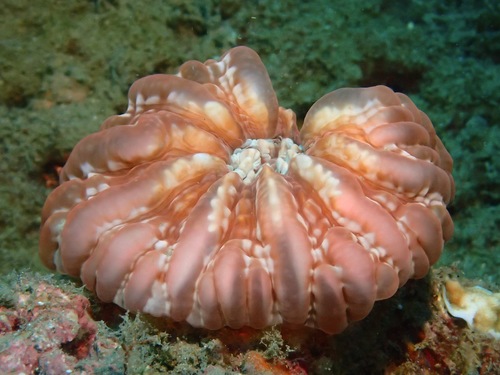
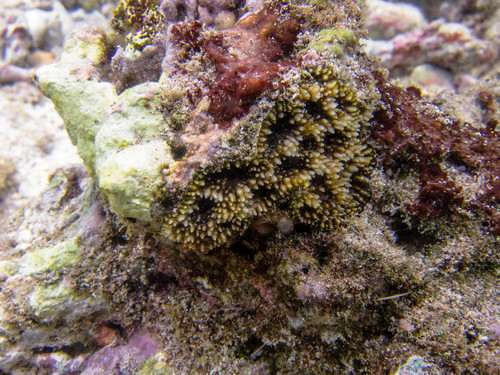
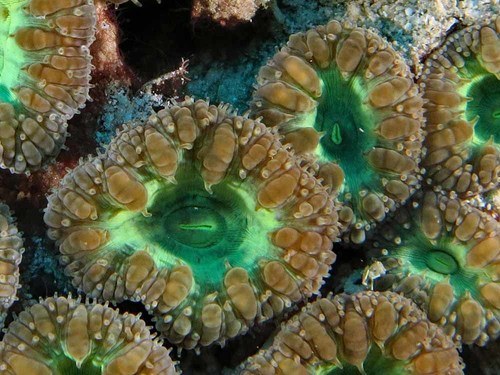
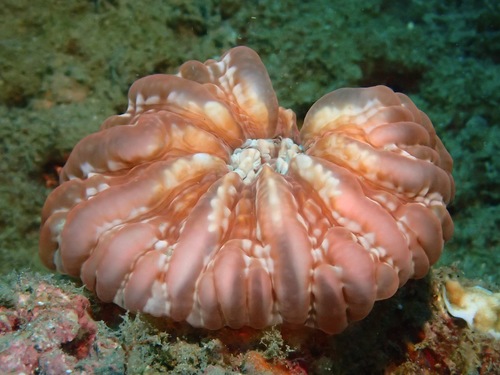
Multi Colour Big Polyp Blastomussa Cora
Blastomussa wellsi
In Stock
Common stock
Aquacultured
Easy care
Reef Safe ✓
SKU: CRBLASmult
Discover the vibrant Multi Colour Big Polyp Blastomussa Cora, a stunning coral species from Bali.
Pricing for Verified Importers
Log in to see wholesale prices and order.
Export Size
up to 20.0 cm
Origin
Indo-Pacific
Temperature
24.0–28.0°C
Min. Tank Size
200 L
Salinity
1.023–1.025 ppt
pH
8.10–8.40
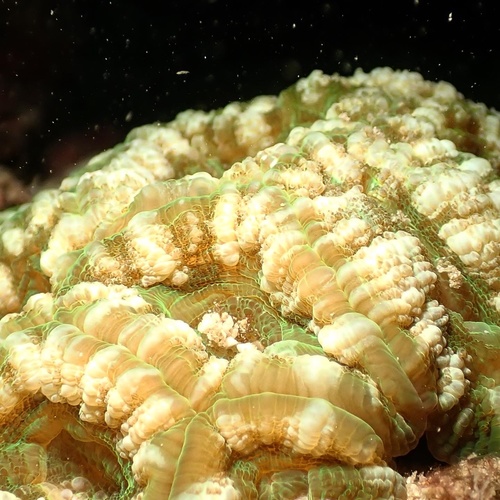
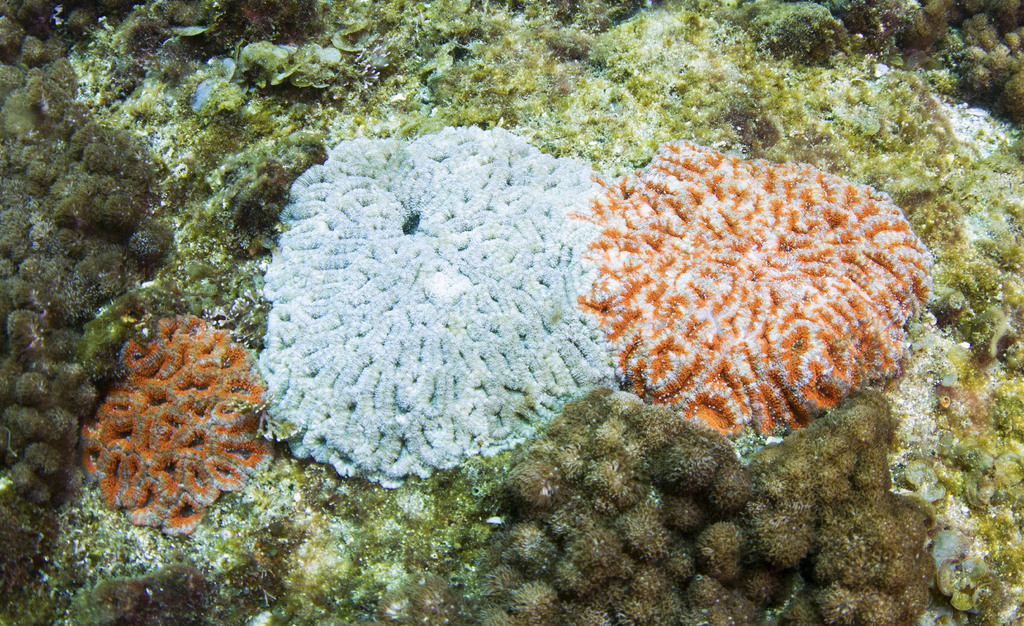
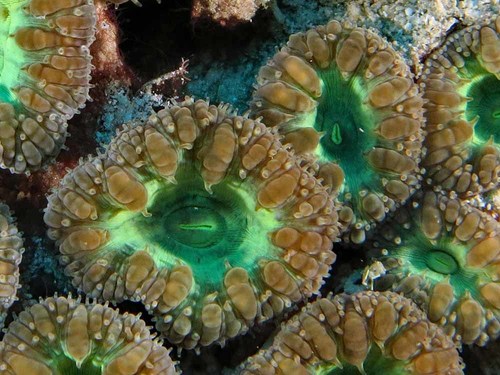
Blastomussa wellsi, commonly known as the Multi Colour Big Polyp Blastomussa Cora, is a captivating stony coral native to the west and central Indo-Pacific region. This species is characterized by its large, fleshy polyps that can display a stunning array of colors, making it a popular choice for aquarists looking to enhance the beauty of their marine displays. Its vibrant hues can range from greens and blues to rich purples and reds, providing a striking visual appeal in both reef tanks and larger aquariums.
In terms of natural history, Blastomussa wellsi typically inhabits shallow reef environments where it can benefit from both light and nutrient availability. It often grows in colonies, forming encrusting structures that contribute to the overall biodiversity of coral reefs. The behavior of Blastomussa wellsi is fascinating; it exhibits a degree of aggression towards other corals, using its tentacles to capture food and defend its territory. This species can also host symbiotic zooxanthellae algae, which assist in photosynthesis and contribute to its vibrant coloration.
The habitat of Blastomussa wellsi is primarily found in sheltered areas of coral reefs, where it can thrive in moderate water flow and light conditions. This coral species prefers to settle on stable substrates, often forming large, colorful patches that attract various marine life. Its presence is crucial in maintaining the ecological balance within its environment, as it provides habitat and shelter for numerous reef-associated species.
Overall, the Multi Colour Big Polyp Blastomussa Cora is not only a visually stunning species but also plays a vital role in the health of coral reef ecosystems. Its unique characteristics and behaviors make it a sought-after choice for aquarium enthusiasts and professionals alike.
In terms of natural history, Blastomussa wellsi typically inhabits shallow reef environments where it can benefit from both light and nutrient availability. It often grows in colonies, forming encrusting structures that contribute to the overall biodiversity of coral reefs. The behavior of Blastomussa wellsi is fascinating; it exhibits a degree of aggression towards other corals, using its tentacles to capture food and defend its territory. This species can also host symbiotic zooxanthellae algae, which assist in photosynthesis and contribute to its vibrant coloration.
The habitat of Blastomussa wellsi is primarily found in sheltered areas of coral reefs, where it can thrive in moderate water flow and light conditions. This coral species prefers to settle on stable substrates, often forming large, colorful patches that attract various marine life. Its presence is crucial in maintaining the ecological balance within its environment, as it provides habitat and shelter for numerous reef-associated species.
Overall, the Multi Colour Big Polyp Blastomussa Cora is not only a visually stunning species but also plays a vital role in the health of coral reef ecosystems. Its unique characteristics and behaviors make it a sought-after choice for aquarium enthusiasts and professionals alike.
When caring for Blastomussa wellsi, it's essential to maintain stable water parameters. The ideal temperature range is between 24°C to 28°C, with a salinity of 1.023 to 1.025 ppt. The pH should be kept between 8.1 and 8.4 for optimal health. This species thrives in moderate to high light conditions, but it is crucial to avoid direct, intense lighting that can cause bleaching.
Feeding Blastomussa wellsi can be done through direct feeding of meaty foods such as brine shrimp and mysis shrimp, along with periodic addition of coral foods that contain essential nutrients. This coral benefits from the presence of zooxanthellae, so maintaining good lighting is key to its health. Compatibility with other corals should be carefully considered, as Blastomussa wellsi can be aggressive and may need to be placed away from other stony corals to prevent territorial disputes.
Acclimation is critical when introducing Blastomussa wellsi to a new tank. A slow acclimation process, ideally over several hours, will help reduce stress and ensure a smooth transition. It is recommended to quarantine new specimens for at least two weeks to monitor for any signs of disease or pests before adding them to a display tank. Regular monitoring of water quality and coral health will support the long-term vitality of this stunning coral.
Feeding Blastomussa wellsi can be done through direct feeding of meaty foods such as brine shrimp and mysis shrimp, along with periodic addition of coral foods that contain essential nutrients. This coral benefits from the presence of zooxanthellae, so maintaining good lighting is key to its health. Compatibility with other corals should be carefully considered, as Blastomussa wellsi can be aggressive and may need to be placed away from other stony corals to prevent territorial disputes.
Acclimation is critical when introducing Blastomussa wellsi to a new tank. A slow acclimation process, ideally over several hours, will help reduce stress and ensure a smooth transition. It is recommended to quarantine new specimens for at least two weeks to monitor for any signs of disease or pests before adding them to a display tank. Regular monitoring of water quality and coral health will support the long-term vitality of this stunning coral.
The Multi Colour Big Polyp Blastomussa Cora is suitable for shipping, provided that proper packing and temperature control measures are in place. It is sensitive to temperature fluctuations, so maintaining a stable environment during transit is crucial. A packing density of 1-2 corals per shipping container is recommended to minimize stress. CITES status is not applicable for this species, allowing for easier export processes.
Species Parameters
Max Adult Size
20.0 cm
Origin
Indo-Pacific
Habitat
reef
Temp Min
24.0 °C
Temp Max
28.0 °C
Salinity Min
1.023
Salinity Max
1.025
pH Min
8.10
pH Max
8.40
Min Tank
200 L