CITES App. II
Goniastrea Coral
Goniastrea sp.
In Stock
Common stock
Maricultured
Experienced care
Reef Safe ✓
SKU: CB-HC-0141
Goniastrea Coral is a stunning addition to any reef aquarium, known for its vibrant colors and unique structure.
Pricing for Verified Importers
Log in to see wholesale prices and order.
Export Size
up to 30.0 cm
Origin
Indo-Pacific
Temperature
24.0–28.0°C
Min. Tank Size
100 L
Salinity
35.000–35.000 ppt
pH
8.10–8.40
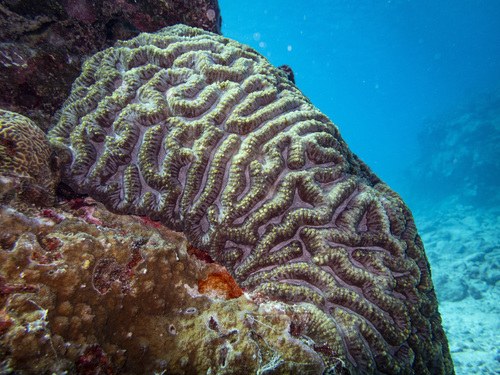
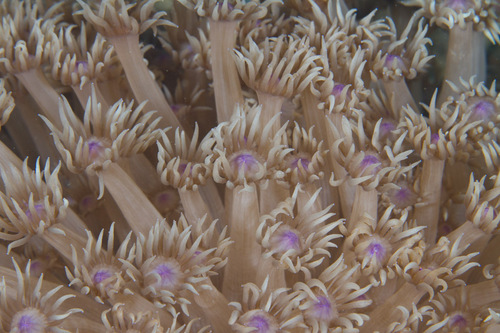
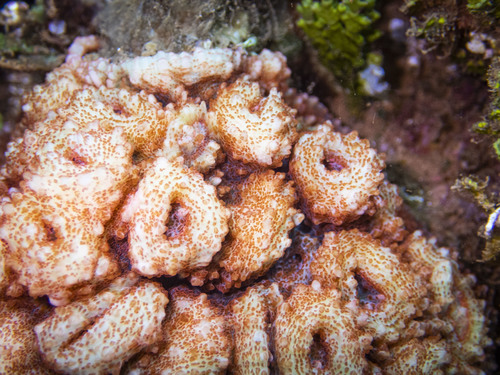
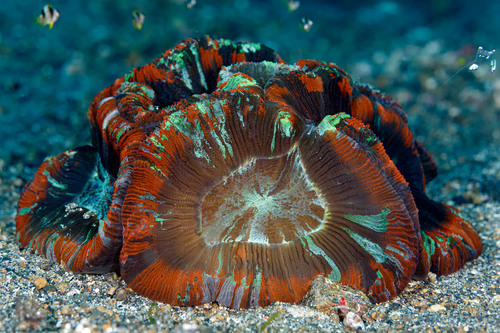
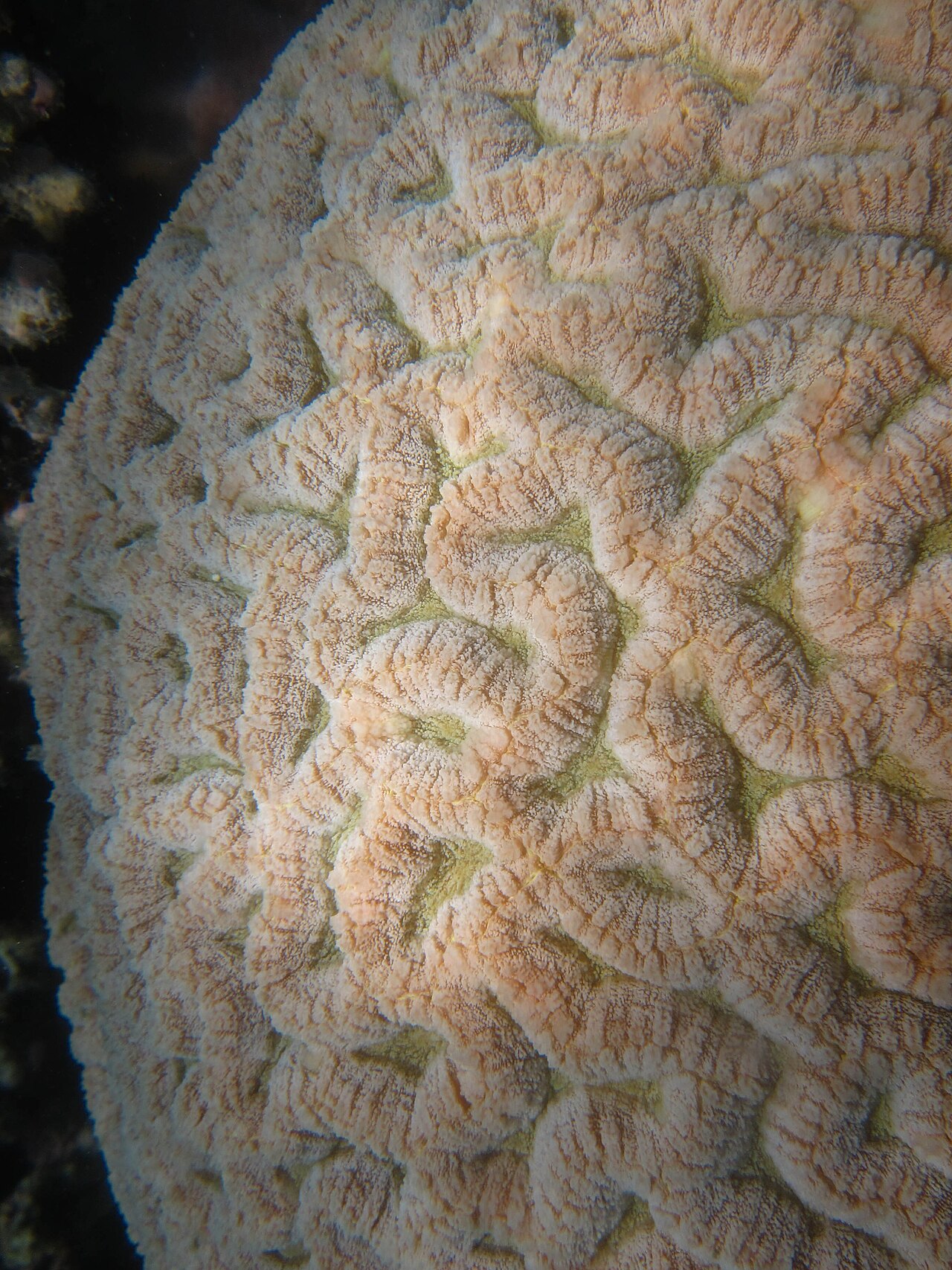
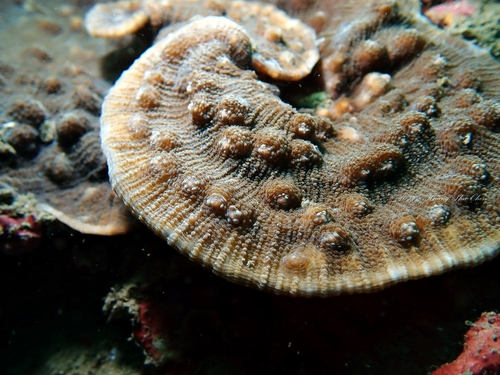
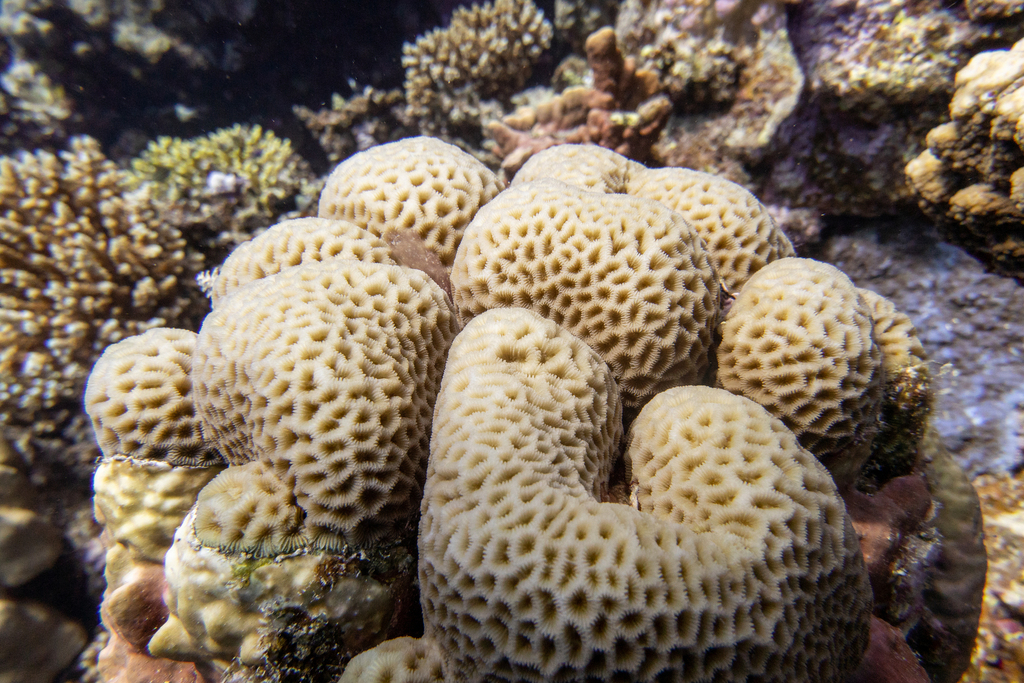
Goniastrea Coral, belonging to the family Merulinidae, is a captivating and hardy species commonly found in the Indo-Pacific region. This coral is characterized by its distinct, meandering ridges and valleys that create a striking appearance. Its polyps extend during the night, showcasing a beautiful array of colors, ranging from greens and browns to striking blues and yellows, making it an appealing choice for aquarists looking to enhance their reef setups.
This coral species thrives in a variety of marine environments, often found on reef slopes and in shallow lagoons. It plays a vital role in reef ecosystems, providing habitat and refuge for various marine organisms. Goniastrea Coral is known for its ability to adapt to different light conditions, although it tends to flourish under moderate to high light levels, which helps to promote its vibrant coloration and growth.
Behaviorally, Goniastrea Coral is relatively peaceful and can coexist with various other coral species in a community tank. Unlike some more aggressive corals, it does not typically engage in aggressive behavior towards neighboring corals; however, it should still be monitored for space to prevent competition for light and resources. Its growth pattern is encrusting or massive, allowing it to form a solid foundation for surrounding marine life.
In terms of natural history, Goniastrea Coral, like other stony corals, relies on a symbiotic relationship with zooxanthellae, photosynthetic algae that reside within its tissues. This relationship allows the coral to obtain energy from sunlight, contributing to its growth and health. The health of Goniastrea Coral is a good indicator of the overall wellbeing of the reef ecosystem it inhabits, making it an essential species for conservation and study.
This coral species thrives in a variety of marine environments, often found on reef slopes and in shallow lagoons. It plays a vital role in reef ecosystems, providing habitat and refuge for various marine organisms. Goniastrea Coral is known for its ability to adapt to different light conditions, although it tends to flourish under moderate to high light levels, which helps to promote its vibrant coloration and growth.
Behaviorally, Goniastrea Coral is relatively peaceful and can coexist with various other coral species in a community tank. Unlike some more aggressive corals, it does not typically engage in aggressive behavior towards neighboring corals; however, it should still be monitored for space to prevent competition for light and resources. Its growth pattern is encrusting or massive, allowing it to form a solid foundation for surrounding marine life.
In terms of natural history, Goniastrea Coral, like other stony corals, relies on a symbiotic relationship with zooxanthellae, photosynthetic algae that reside within its tissues. This relationship allows the coral to obtain energy from sunlight, contributing to its growth and health. The health of Goniastrea Coral is a good indicator of the overall wellbeing of the reef ecosystem it inhabits, making it an essential species for conservation and study.
When caring for Goniastrea Coral, maintaining stable water parameters is crucial. Ideal conditions include a temperature range of 24-28°C, a salinity of 1.023-1.025 ppt, and a pH level between 8.1 and 8.4. Regular testing of these parameters will help ensure the coral's health and vitality. Additionally, Goniastrea Coral benefits from moderate to strong water flow to help remove debris and promote nutrient absorption.
Feeding Goniastrea Coral can be achieved through the addition of liquid coral foods or small particles that mimic its natural diet. While it primarily relies on photosynthesis, supplemental feeding can enhance growth and coloration, especially in lower light conditions. Compatibility is generally good with other coral species, but caution should be taken with more aggressive corals that may compete for space or resources.
Acclimating Goniastrea Coral to a new environment should be done gradually, ideally through a drip acclimation method over several hours. This helps to reduce stress and shock, ensuring a smoother transition to its new home. Quarantine is also recommended for new arrivals to prevent the introduction of pests or diseases into established systems, allowing for observation and treatment if necessary.
Feeding Goniastrea Coral can be achieved through the addition of liquid coral foods or small particles that mimic its natural diet. While it primarily relies on photosynthesis, supplemental feeding can enhance growth and coloration, especially in lower light conditions. Compatibility is generally good with other coral species, but caution should be taken with more aggressive corals that may compete for space or resources.
Acclimating Goniastrea Coral to a new environment should be done gradually, ideally through a drip acclimation method over several hours. This helps to reduce stress and shock, ensuring a smoother transition to its new home. Quarantine is also recommended for new arrivals to prevent the introduction of pests or diseases into established systems, allowing for observation and treatment if necessary.
Goniastrea Coral is suitable for shipping due to its hardiness. It should be packed securely to prevent damage during transit, with a recommended packing density of one coral per container to avoid physical contact. Temperature sensitivity should be monitored, ideally maintaining temperatures between 24-28°C during shipping. Goniastrea Coral is not listed under CITES, making exportation easier, but compliance with local regulations is still essential.
Species Parameters
Max Adult Size
30.0 cm
Origin
Indo-Pacific
Temp Min
24.0 °C
Temp Max
28.0 °C
Salinity Min
35.000
Salinity Max
35.000
pH Min
8.10
pH Max
8.40
Min Tank
100 L