CITES App. II
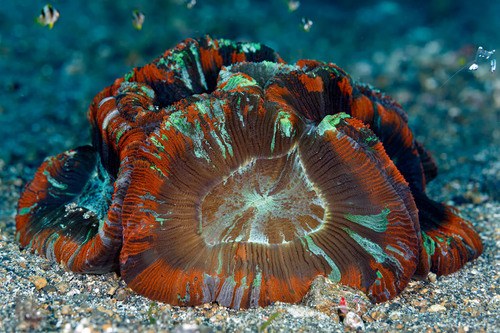
Green Brain Root Coral
Lobophyllia Spp
In Stock
Common stock
Aquacultured
Easy care
Reef Safe ✓
SKU: CRLOBOgree
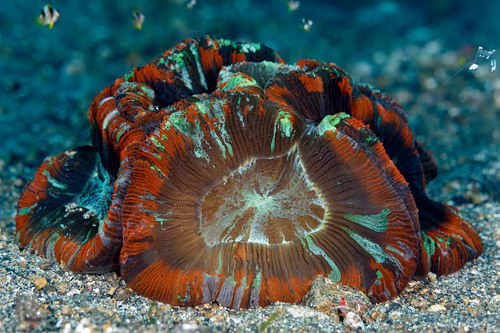
The Green Brain Root Coral (Lobophyllia Spp) dazzles with its vibrant colors and unique structure.
Pricing for Verified Importers
Log in to see wholesale prices and order.
Export Size
up to 30.0 cm
Origin
Coral Triangle
Temperature
24.0–28.0°C
Min. Tank Size
100 L
Salinity
1.023–1.025 ppt
pH
8.10–8.40
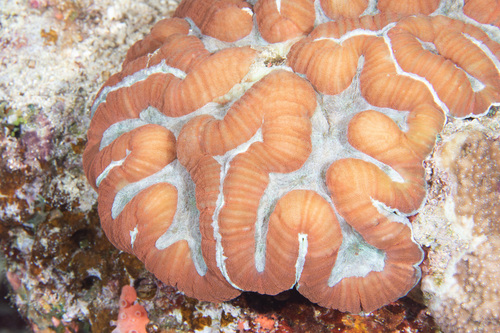
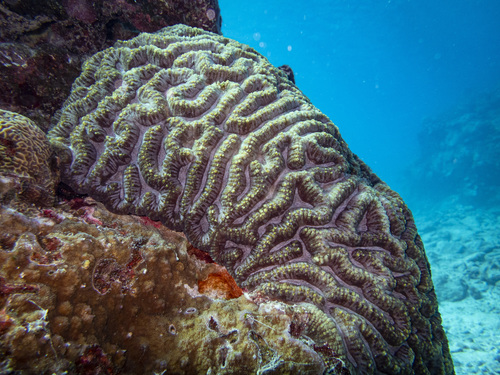
The Green Brain Root Coral, scientifically known as Lobophyllia Spp, is a captivating species found primarily in the shallow waters of the Coral Triangle, particularly around Bali, Indonesia. This coral is renowned for its stunning, brain-like morphology, featuring tightly packed ridges and valleys that give it a distinctive appearance. Its vibrant green coloration, often interspersed with hints of yellow and brown, makes it an attractive addition to any marine aquarium, appealing to both hobbyists and commercial importers alike.
In terms of natural history, Lobophyllia corals thrive in warm, shallow waters where they can access ample sunlight for photosynthesis, which is crucial for their growth and vitality. These corals have a symbiotic relationship with zooxanthellae algae, which reside within their tissues and provide essential nutrients through photosynthesis. This symbiotic relationship not only contributes to their coloration but also plays a vital role in their overall health and resilience in the reef ecosystem.
Behaviorally, the Green Brain Root Coral exhibits a unique feeding strategy. While it primarily relies on photosynthesis, it can also capture plankton and small particles from the water column, supplementing its diet during times of low light or nutrient availability. This adaptability allows it to flourish in various reef environments, making it a robust choice for aquarists.
Habitat-wise, Lobophyllia Spp is typically found in lagoon and reef environments, often in areas with moderate water movement. This species prefers sandy to rocky substrates and can be found at depths ranging from 5 to 30 meters. Its ability to thrive in diverse conditions enhances its desirability for aquarists looking to replicate a natural reef environment in their tanks.
In terms of natural history, Lobophyllia corals thrive in warm, shallow waters where they can access ample sunlight for photosynthesis, which is crucial for their growth and vitality. These corals have a symbiotic relationship with zooxanthellae algae, which reside within their tissues and provide essential nutrients through photosynthesis. This symbiotic relationship not only contributes to their coloration but also plays a vital role in their overall health and resilience in the reef ecosystem.
Behaviorally, the Green Brain Root Coral exhibits a unique feeding strategy. While it primarily relies on photosynthesis, it can also capture plankton and small particles from the water column, supplementing its diet during times of low light or nutrient availability. This adaptability allows it to flourish in various reef environments, making it a robust choice for aquarists.
Habitat-wise, Lobophyllia Spp is typically found in lagoon and reef environments, often in areas with moderate water movement. This species prefers sandy to rocky substrates and can be found at depths ranging from 5 to 30 meters. Its ability to thrive in diverse conditions enhances its desirability for aquarists looking to replicate a natural reef environment in their tanks.
When caring for Green Brain Root Coral, maintaining stable water conditions is critical. Ideal water parameters include a temperature range between 24-28°C, salinity levels of 1.023-1.025 ppt, and a pH level of 8.1-8.4. Regular monitoring is essential to ensure these parameters remain consistent, as fluctuations can stress the coral and hinder its growth.
Feeding should focus on providing a balanced diet; while the coral will benefit from light for photosynthesis, occasional feeding with coral-specific foods or liquid plankton can promote enhanced growth and coloration. Compatibility is generally good with other coral species, but care should be taken to avoid aggressive neighbors that may harm the delicate tissues of the Lobophyllia.
Acclimation is crucial when introducing the Green Brain Root Coral into a new environment. Gradually acclimate the coral by floating the sealed bag in the aquarium for at least 30 minutes, then slowly mix tank water into the bag to help the coral adjust to the new conditions. Quarantine is recommended to prevent the introduction of pests or diseases, allowing for a smoother transition into the main display tank.
Feeding should focus on providing a balanced diet; while the coral will benefit from light for photosynthesis, occasional feeding with coral-specific foods or liquid plankton can promote enhanced growth and coloration. Compatibility is generally good with other coral species, but care should be taken to avoid aggressive neighbors that may harm the delicate tissues of the Lobophyllia.
Acclimation is crucial when introducing the Green Brain Root Coral into a new environment. Gradually acclimate the coral by floating the sealed bag in the aquarium for at least 30 minutes, then slowly mix tank water into the bag to help the coral adjust to the new conditions. Quarantine is recommended to prevent the introduction of pests or diseases, allowing for a smoother transition into the main display tank.
The Green Brain Root Coral is suitable for shipping, provided it is packed securely to minimize movement and stress. Use insulated containers and shock-absorbing materials to protect the coral during transit. Ideal shipping temperatures should be maintained between 22-26°C. This species is not currently listed under CITES, simplifying the export process.
Species Parameters
Max Adult Size
30.0 cm
Origin
Coral Triangle
Habitat
reef
Temp Min
24.0 °C
Temp Max
28.0 °C
Salinity Min
1.023
Salinity Max
1.025
pH Min
8.10
pH Max
8.40
Min Tank
100 L