CITES App. II
Closed Brain "SALE ITEM"
Symphyllia agaricia
In Stock
Common stock
Aquacultured
Easy care
Reef Safe ✓
SKU: CRSYMPclos4
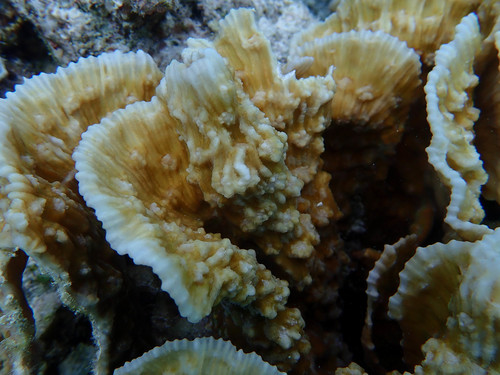
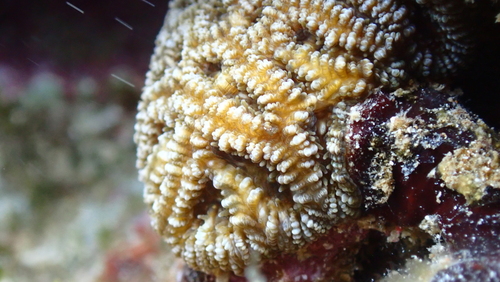
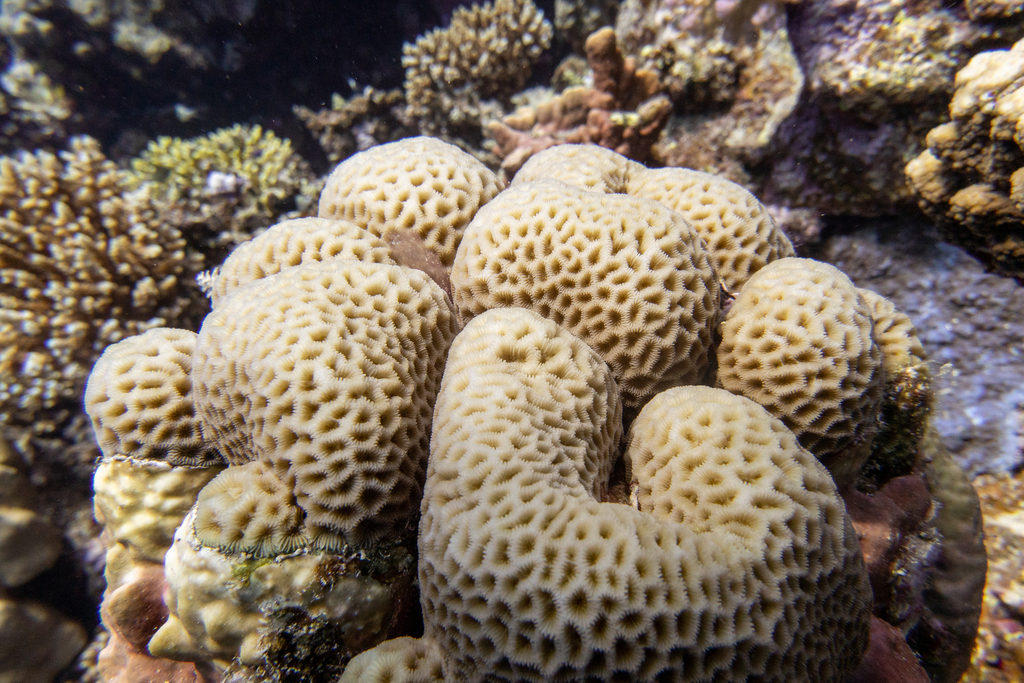
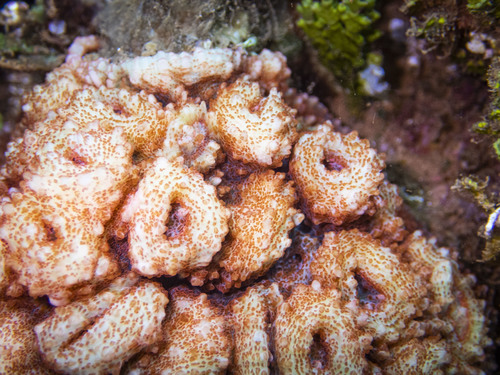
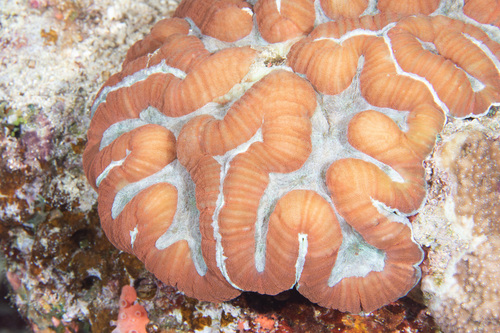
The Closed Brain Coral (Symphyllia agaricia) is a stunning addition to any reef aquarium, known for its intricate patterns and vibrant colors.
Pricing for Verified Importers
Log in to see wholesale prices and order.
Export Size
up to 30.0 cm
Origin
Coral Triangle
Temperature
24.0–28.0°C
Min. Tank Size
100 L
Salinity
34.000–36.000 ppt
pH
8.10–8.40
Closed Brain Coral, scientifically known as Symphyllia agaricia, is a captivating species that thrives in the warm waters of the Coral Triangle, particularly around Bali, Indonesia. This coral is easily recognized by its unique, maze-like structure that mimics the intricate folds of a human brain, which is not only visually appealing but also serves as a protective feature. The coral exhibits various colorations, ranging from deep greens and browns to vibrant yellows and reds, making it a favorite among aquarists.
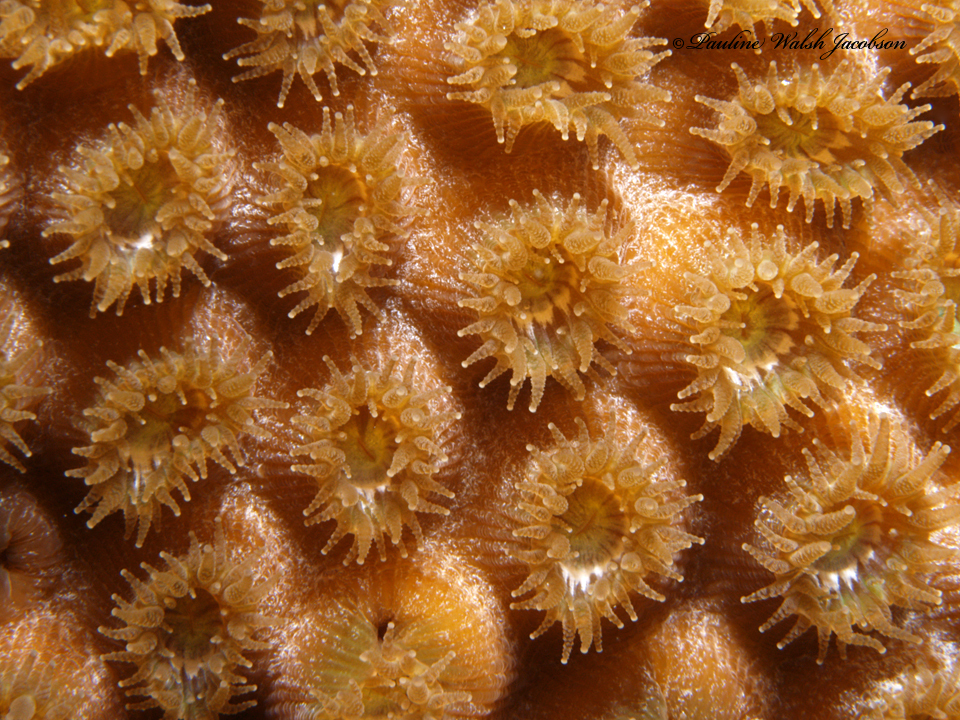
In terms of natural history, Closed Brain Corals are primarily nocturnal feeders, extending their tentacles during the night to capture plankton and small debris from the water. They are often found in shallow reef environments where they can benefit from both sunlight and nutrient-rich waters. Their symbiotic relationship with zooxanthellae, a type of algae, enables them to photosynthesize and produce energy, which is vital for their growth and vitality.
Behaviorally, Closed Brain Corals are relatively peaceful but can exhibit territorial instincts when placed near similar species. They are generally hardy corals that can adapt to varying environmental conditions, although they thrive best in stable and clean water environments. Their ability to grow in colonies allows for unique landscape formations in aquariums, enhancing the aesthetic appeal of reef setups.
Habitat-wise, these corals prefer to settle on firm substrates such as rocky surfaces or reef structures. With proper care, they can flourish in a well-maintained aquarium, contributing significantly to the overall biodiversity and beauty of the aquatic ecosystem.
In terms of natural history, Closed Brain Corals are primarily nocturnal feeders, extending their tentacles during the night to capture plankton and small debris from the water. They are often found in shallow reef environments where they can benefit from both sunlight and nutrient-rich waters. Their symbiotic relationship with zooxanthellae, a type of algae, enables them to photosynthesize and produce energy, which is vital for their growth and vitality.
Behaviorally, Closed Brain Corals are relatively peaceful but can exhibit territorial instincts when placed near similar species. They are generally hardy corals that can adapt to varying environmental conditions, although they thrive best in stable and clean water environments. Their ability to grow in colonies allows for unique landscape formations in aquariums, enhancing the aesthetic appeal of reef setups.
Habitat-wise, these corals prefer to settle on firm substrates such as rocky surfaces or reef structures. With proper care, they can flourish in a well-maintained aquarium, contributing significantly to the overall biodiversity and beauty of the aquatic ecosystem.
For optimal care of Closed Brain Coral (Symphyllia agaricia), maintaining stable water parameters is crucial. The ideal temperature range is between 24°C to 28°C, with a salinity level of 34-36 ppt. pH levels should ideally be maintained between 8.1 and 8.4. Ensure that water quality is high, with low nitrate and phosphate levels to promote healthy growth.
Feeding should occur primarily during the evening when the coral extends its tentacles. A mixture of zooplankton, coral food, and liquid supplements can be provided to enhance their diet. Compatibility with other tank mates is good, but caution should be exercised when placing them near aggressive species. Acclimation should be done slowly over several hours to reduce stress, using the drip acclimation method.
Quarantine new specimens for at least two weeks before introducing them to the main tank to prevent the spread of potential diseases. Regular monitoring of water parameters and coral health is essential for long-term success, ensuring that the Closed Brain Coral thrives in your aquarium environment.
Feeding should occur primarily during the evening when the coral extends its tentacles. A mixture of zooplankton, coral food, and liquid supplements can be provided to enhance their diet. Compatibility with other tank mates is good, but caution should be exercised when placing them near aggressive species. Acclimation should be done slowly over several hours to reduce stress, using the drip acclimation method.
Quarantine new specimens for at least two weeks before introducing them to the main tank to prevent the spread of potential diseases. Regular monitoring of water parameters and coral health is essential for long-term success, ensuring that the Closed Brain Coral thrives in your aquarium environment.
Closed Brain Corals are suitable for shipping but require careful packing to avoid damage. Use insulated containers with adequate padding to maintain stability during transit. The recommended temperature during shipping should be kept between 22°C and 26°C to prevent thermal shock. These corals fall under CITES regulations, so ensure compliance with any necessary permits for export.
Species Parameters
Max Adult Size
30.0 cm
Origin
Coral Triangle
Habitat
reef
Temp Min
24.0 °C
Temp Max
28.0 °C
Salinity Min
34.000
Salinity Max
36.000
pH Min
8.10
pH Max
8.40
Min Tank
100 L