CITES App. II
Green Metalic Brain Coral (Fat)
Trachyphyllia geoffroyi
In Stock
Common stock
Maricultured
Experienced care
Reef Safe ✓
SKU: CB-HC-0112
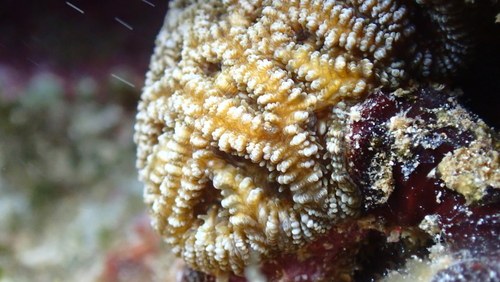
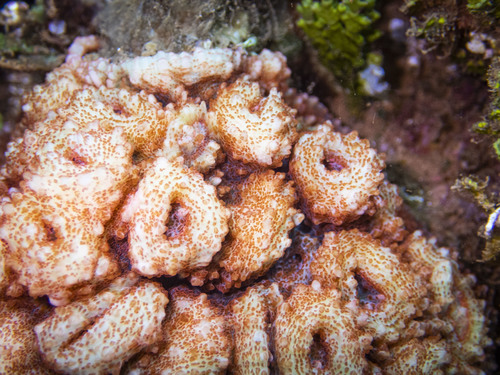
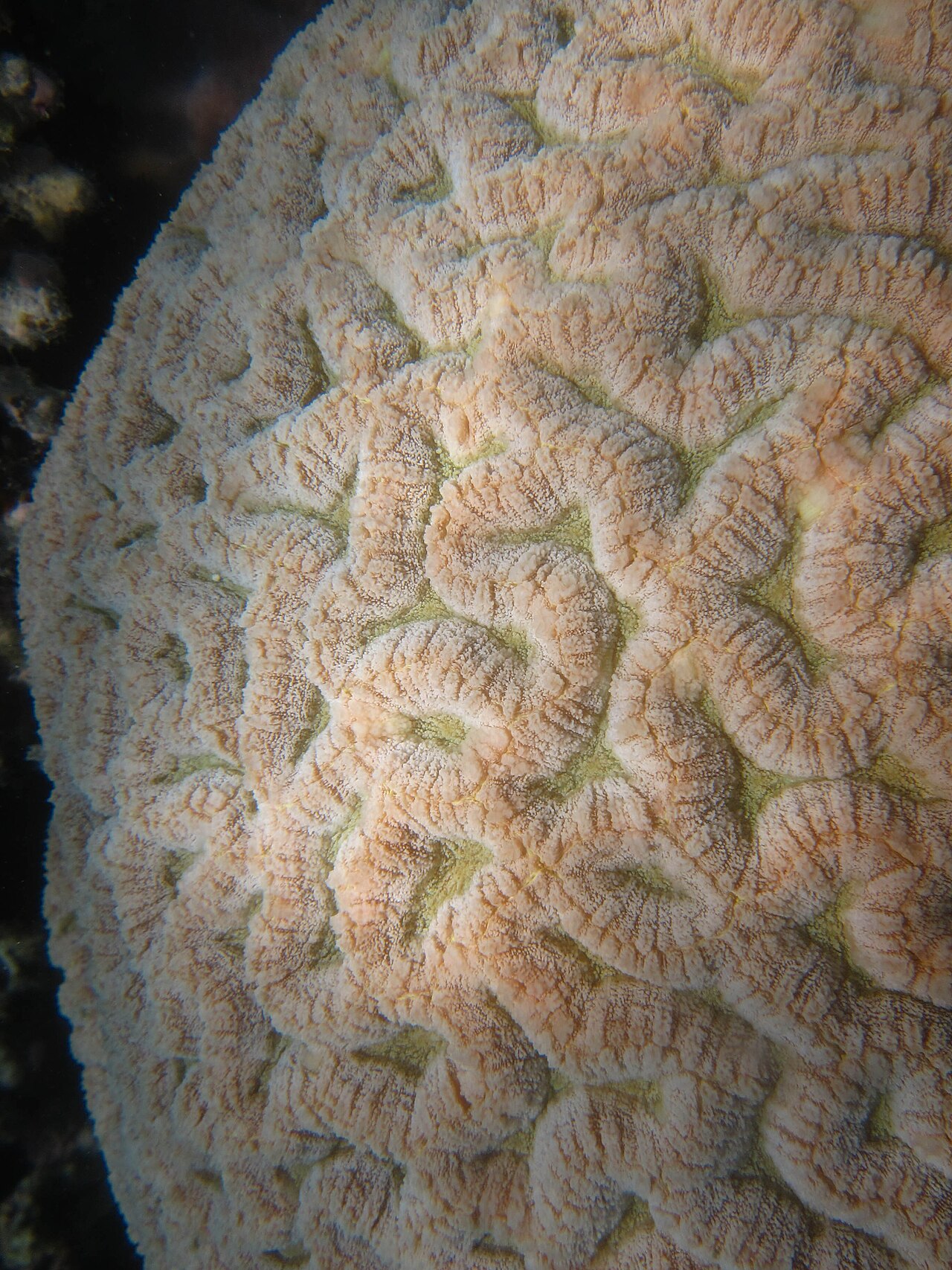
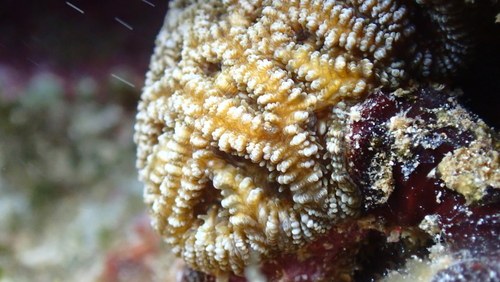
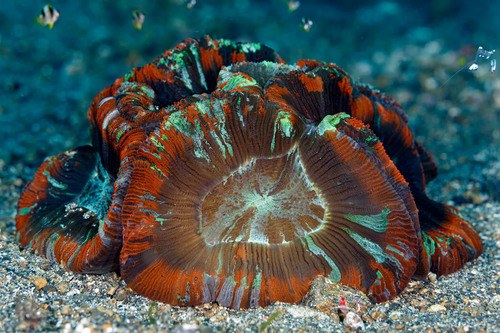
The Green Metallic Brain Coral dazzles with vibrant colors and unique brain-like structure.
Pricing for Verified Importers
Log in to see wholesale prices and order.
Export Size
up to 30.0 cm
Origin
Indo-Pacific
Temperature
24.0–28.0°C
Min. Tank Size
100 L
Salinity
35.000–35.000 ppt
pH
8.10–8.40
The Green Metallic Brain Coral (Trachyphyllia geoffroyi) is a captivating species known for its bright coloration and distinctive, brain-like structure. As a member of the family Merulinidae, this coral is found predominantly throughout the Indo-Pacific region, thriving in diverse marine habitats. Its unique morphology not only adds an aesthetic appeal to marine environments but also plays a vital role in the local ecosystem, providing shelter and habitat for various marine organisms.
In terms of appearance, the Green Metallic Brain Coral typically exhibits a vibrant green hue, often accented with metallic tones that shimmer under aquarium lighting. Its surface is characterized by broad, fleshy ridges that exhibit intricate patterns, reminiscent of a human brain, hence the name. This species is known to expand during the night, revealing its striking colors and structure, while retracting during the day, providing a fascinating visual experience for aquarium enthusiasts.
Natural habitats for T. geoffroyi range from shallow reefs to deeper waters, where it can be found on sandy or rocky substrates. It thrives in areas with moderate water movement and good light penetration, which are essential for its symbiotic relationship with zooxanthellae, the photosynthetic algae that live within its tissues. This relationship allows the coral to derive energy from sunlight, making it a key player in the reef ecosystem.
Behaviorally, Green Metallic Brain Coral is relatively peaceful and can coexist with a variety of tank mates. However, it can exhibit aggressive tendencies towards other corals, particularly during feeding times, making it crucial for importers to consider tank compatibility when introducing this species into a community setting.
In terms of appearance, the Green Metallic Brain Coral typically exhibits a vibrant green hue, often accented with metallic tones that shimmer under aquarium lighting. Its surface is characterized by broad, fleshy ridges that exhibit intricate patterns, reminiscent of a human brain, hence the name. This species is known to expand during the night, revealing its striking colors and structure, while retracting during the day, providing a fascinating visual experience for aquarium enthusiasts.
Natural habitats for T. geoffroyi range from shallow reefs to deeper waters, where it can be found on sandy or rocky substrates. It thrives in areas with moderate water movement and good light penetration, which are essential for its symbiotic relationship with zooxanthellae, the photosynthetic algae that live within its tissues. This relationship allows the coral to derive energy from sunlight, making it a key player in the reef ecosystem.
Behaviorally, Green Metallic Brain Coral is relatively peaceful and can coexist with a variety of tank mates. However, it can exhibit aggressive tendencies towards other corals, particularly during feeding times, making it crucial for importers to consider tank compatibility when introducing this species into a community setting.
To ensure the health and vibrancy of Green Metallic Brain Coral, specific care parameters must be met. Ideal water conditions include temperatures ranging from 24°C to 28°C, a salinity level of 35 ppt, and a pH between 8.1 and 8.4. Regular monitoring of these parameters is essential for maintaining a stable environment.
Feeding this coral involves providing a varied diet that includes finely chopped meaty foods and high-quality coral pellets, supplemented with phytoplankton or liquid coral foods to support its symbiotic algae. Although T. geoffroyi benefits from light, it is important to avoid direct intense lighting, which can lead to stress and bleaching.
Compatibility is generally favorable with many reef fish and invertebrates; however, caution should be exercised with aggressive corals that may compete for space and resources. Before introducing the coral into a main display tank, a quarantine period of at least two weeks is recommended to prevent any potential disease transmission. Acclimation should be gradual, allowing the coral to adjust to the new environment without shock.
In summary, providing the right care, diet, and habitat conditions will ensure that the Green Metallic Brain Coral thrives in both retail and private aquarium settings.
Feeding this coral involves providing a varied diet that includes finely chopped meaty foods and high-quality coral pellets, supplemented with phytoplankton or liquid coral foods to support its symbiotic algae. Although T. geoffroyi benefits from light, it is important to avoid direct intense lighting, which can lead to stress and bleaching.
Compatibility is generally favorable with many reef fish and invertebrates; however, caution should be exercised with aggressive corals that may compete for space and resources. Before introducing the coral into a main display tank, a quarantine period of at least two weeks is recommended to prevent any potential disease transmission. Acclimation should be gradual, allowing the coral to adjust to the new environment without shock.
In summary, providing the right care, diet, and habitat conditions will ensure that the Green Metallic Brain Coral thrives in both retail and private aquarium settings.
The Green Metallic Brain Coral is suitable for shipping and can be packed efficiently. It is recommended to use insulated containers to maintain stable temperatures during transit, ideally between 24°C and 28°C. Ensure that the coral is securely packed to minimize movement. This species is not listed under CITES, allowing for easier export regulations.
Species Parameters
Max Adult Size
30.0 cm
Origin
Indo-Pacific
Temp Min
24.0 °C
Temp Max
28.0 °C
Salinity Min
35.000
Salinity Max
35.000
pH Min
8.10
pH Max
8.40
Min Tank
100 L