CITES App. II
Red Metalic Brain Coral M
Trachyphyllia geoffroyi
In Stock
Common stock
Aquacultured
Easy care
Reef Safe ✓
SKU: CRTRACredm
The Red Metallic Brain Coral is a vibrant, captivating species ideal for reef aquariums.
Pricing for Verified Importers
Log in to see wholesale prices and order.
Export Size
up to 25.0 cm
Origin
Indo-Pacific
Temperature
24.0–28.0°C
Min. Tank Size
100 L
Salinity
1.023–1.025 ppt
pH
8.10–8.40
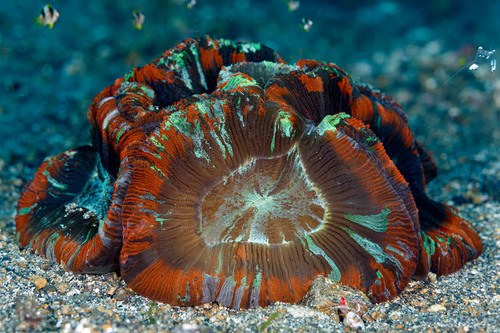
The Red Metallic Brain Coral (Trachyphyllia geoffroyi) is a stunning marine coral recognized for its rich colors and unique brain-like structure. As a member of the Merulinidae family, this species represents the sole member of the genus Trachyphyllia. Found predominantly in the warm waters of the Indo-Pacific, it thrives in areas with abundant light and stable water conditions, making it a popular choice for aquarists seeking to enhance the beauty of their reef tanks.
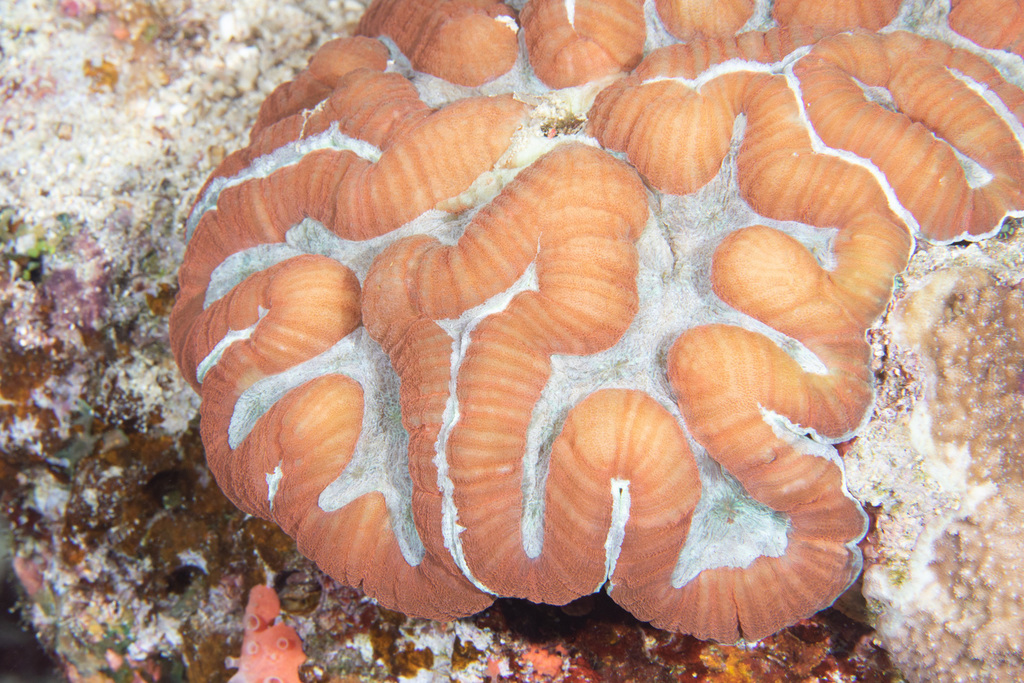
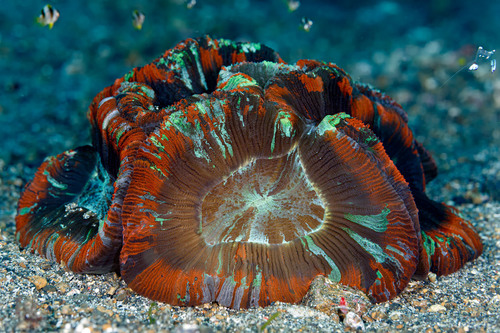
Visually, the Red Metallic Brain Coral showcases a remarkable spectrum of colors ranging from deep reds and vibrant oranges to metallic greens. Its fleshy, meaty polyps extend outward during the night, creating a beautiful display that captivates observers. This coral typically grows in a dome shape and can reach sizes of up to 25 cm in diameter when fully matured. The intricate patterns and textures of its surface provide a visually stimulating habitat for various marine organisms.
In terms of behavior, the Red Metallic Brain Coral is a solitary species that displays a degree of aggression towards other corals, particularly those that encroach on its territory. This behavior is essential for maintaining its space in the competitive reef environment. The coral is primarily nocturnal, relying on its extended polyps to capture plankton and small food particles during the night while also benefiting from the symbiotic relationship with zooxanthellae, which photosynthesize to provide additional nutrients during the day.
Red Metallic Brain Coral typically resides in shallow waters, often in sandy or rubble substrates. It prefers depths ranging from 1 to 30 meters, where it can receive moderate to high light levels and good water flow. Its natural habitat often includes areas near coral reefs, where it can benefit from the nutrient-rich waters and the diverse marine life that inhabits these ecosystems.
Visually, the Red Metallic Brain Coral showcases a remarkable spectrum of colors ranging from deep reds and vibrant oranges to metallic greens. Its fleshy, meaty polyps extend outward during the night, creating a beautiful display that captivates observers. This coral typically grows in a dome shape and can reach sizes of up to 25 cm in diameter when fully matured. The intricate patterns and textures of its surface provide a visually stimulating habitat for various marine organisms.
In terms of behavior, the Red Metallic Brain Coral is a solitary species that displays a degree of aggression towards other corals, particularly those that encroach on its territory. This behavior is essential for maintaining its space in the competitive reef environment. The coral is primarily nocturnal, relying on its extended polyps to capture plankton and small food particles during the night while also benefiting from the symbiotic relationship with zooxanthellae, which photosynthesize to provide additional nutrients during the day.
Red Metallic Brain Coral typically resides in shallow waters, often in sandy or rubble substrates. It prefers depths ranging from 1 to 30 meters, where it can receive moderate to high light levels and good water flow. Its natural habitat often includes areas near coral reefs, where it can benefit from the nutrient-rich waters and the diverse marine life that inhabits these ecosystems.
For successful maintenance of Red Metallic Brain Coral, it is crucial to replicate their natural habitat conditions. Ideal water parameters include a temperature range of 24°C to 28°C, a salinity level between 1.023 and 1.025 ppt, and a pH between 8.1 and 8.4. Regular monitoring and adjustments are vital to ensure the health of the coral.
Feeding should be done during the evening hours when the coral's polyps are extended. A varied diet comprising plankton, finely chopped seafood, and specialized coral foods can support its nutritional needs. While it benefits from supplemental feeding, it primarily relies on photosynthesis through its symbiotic zooxanthellae for energy.
In terms of compatibility, the Red Metallic Brain Coral can coexist with a variety of fish and invertebrates, but caution should be exercised when placing it near aggressive corals. Acclimation should be gradual, allowing the coral to adjust to the new environment without stress. Quarantine is recommended to prevent the introduction of potential diseases into your main tank, ensuring the longevity and health of your aquatic ecosystem.
Feeding should be done during the evening hours when the coral's polyps are extended. A varied diet comprising plankton, finely chopped seafood, and specialized coral foods can support its nutritional needs. While it benefits from supplemental feeding, it primarily relies on photosynthesis through its symbiotic zooxanthellae for energy.
In terms of compatibility, the Red Metallic Brain Coral can coexist with a variety of fish and invertebrates, but caution should be exercised when placing it near aggressive corals. Acclimation should be gradual, allowing the coral to adjust to the new environment without stress. Quarantine is recommended to prevent the introduction of potential diseases into your main tank, ensuring the longevity and health of your aquatic ecosystem.
The Red Metallic Brain Coral is suitable for shipping, provided it is packed securely to prevent damage. A packing density of 1 coral per 5-10 liters is recommended to allow for adequate space and water circulation. This coral is sensitive to temperature fluctuations, and it should be shipped within the optimal range of 24°C to 28°C. This species is not listed under CITES, making the export process straightforward.
Species Parameters
Max Adult Size
25.0 cm
Origin
Indo-Pacific
Habitat
reef
Temp Min
24.0 °C
Temp Max
28.0 °C
Salinity Min
1.023
Salinity Max
1.025
pH Min
8.10
pH Max
8.40
Min Tank
100 L