CITES App. II
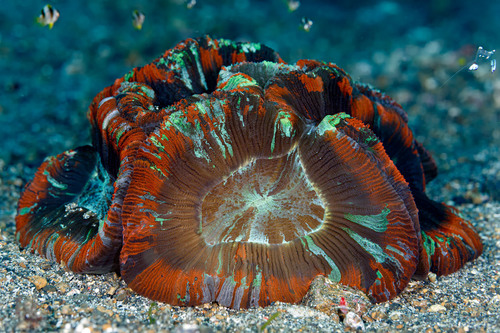
Special Moon Coral
Favia sp.
In Stock
Common stock
Maricultured
Experienced care
Reef Safe ✓
SKU: CB-HC-0192
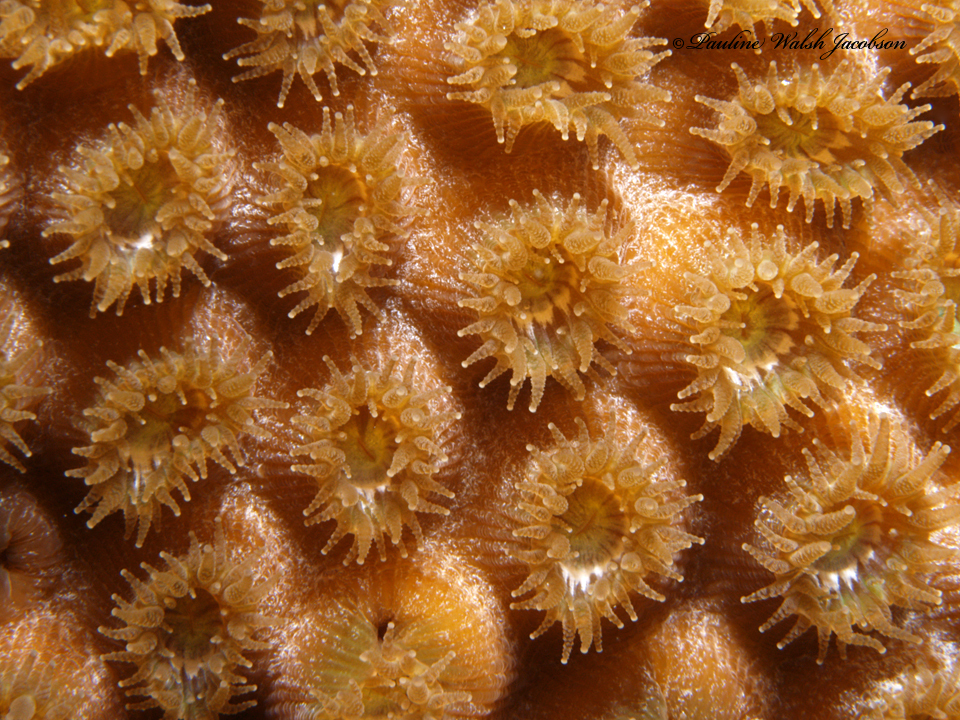
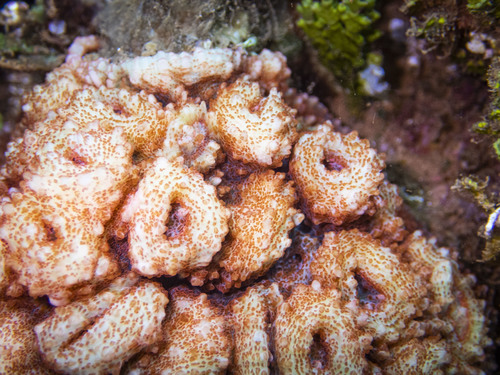
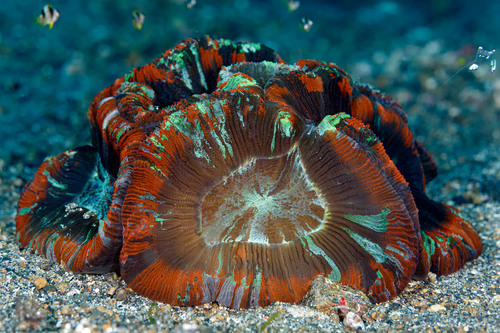
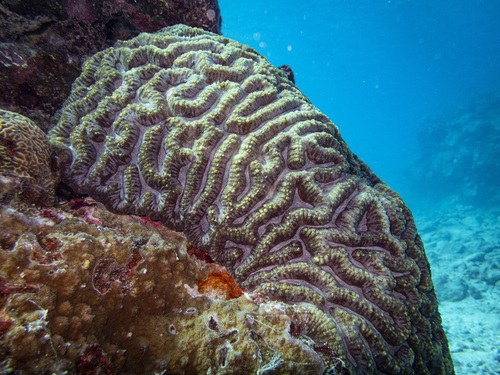
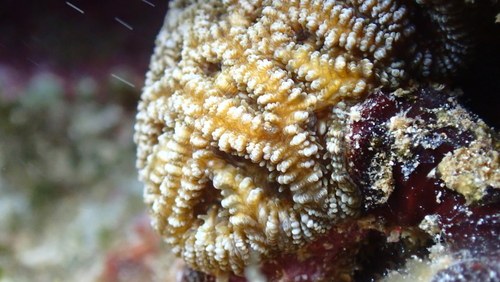
The Special Moon Coral (Favia sp.) captivates with its unique lunar patterns and vibrant colors.
Pricing for Verified Importers
Log in to see wholesale prices and order.
Export Size
up to 30.0 cm
Origin
Coral Triangle
Temperature
24.0–28.0°C
Min. Tank Size
100 L
Salinity
32.000–35.000 ppt
pH
8.10–8.40
The Special Moon Coral, belonging to the genus Favia, is renowned for its distinctive round polyp structures that resemble a full moon. Its coloration can range from deep greens to striking purples, often displaying intricate patterns that make it a stunning addition to any reef aquarium. This coral thrives in various lighting conditions, making it adaptable for both novice and expert aquarists alike. In natural habitats, Special Moon Coral often forms large colonies, contributing to the structural complexity of coral reefs.
In terms of behavior, Favia corals are known to be relatively aggressive towards neighboring corals, utilizing their sweeper tentacles to defend their territory. This territorial behavior is a crucial aspect of their survival in densely populated reef environments. They primarily inhabit shallow waters, typically found at depths of 3 to 30 meters, where they benefit from ample sunlight for photosynthesis.
The habitat of Special Moon Coral includes diverse reef ecosystems, where they contribute significantly to the biodiversity and ecological stability of these environments. They commonly coexist with various marine species, including fish and invertebrates, which provide a balanced ecosystem. This coral is typically found on reef slopes and in lagoons, where water movement is moderate, helping to deliver nutrients and remove waste.
The overall resilience and adaptability of this species make it a popular choice for aquarium enthusiasts looking to create a vibrant reef system. Its striking appearance and ecological importance highlight the need for sustainable harvesting practices to protect these beautiful corals in their natural habitats.
In terms of behavior, Favia corals are known to be relatively aggressive towards neighboring corals, utilizing their sweeper tentacles to defend their territory. This territorial behavior is a crucial aspect of their survival in densely populated reef environments. They primarily inhabit shallow waters, typically found at depths of 3 to 30 meters, where they benefit from ample sunlight for photosynthesis.
The habitat of Special Moon Coral includes diverse reef ecosystems, where they contribute significantly to the biodiversity and ecological stability of these environments. They commonly coexist with various marine species, including fish and invertebrates, which provide a balanced ecosystem. This coral is typically found on reef slopes and in lagoons, where water movement is moderate, helping to deliver nutrients and remove waste.
The overall resilience and adaptability of this species make it a popular choice for aquarium enthusiasts looking to create a vibrant reef system. Its striking appearance and ecological importance highlight the need for sustainable harvesting practices to protect these beautiful corals in their natural habitats.
When caring for Special Moon Coral, maintaining optimal water parameters is crucial. The ideal temperature range is between 24°C to 28°C, with a salinity of 1.023 to 1.025 ppt. pH levels should be kept between 8.1 and 8.4 to ensure the health of the coral. This species thrives in moderate to high light conditions, but it is essential to acclimate them gradually to avoid light shock.
Feeding Special Moon Coral can be managed through a combination of light and supplemental feeding. While they gain energy through photosynthesis, providing them with coral-specific foods or finely chopped meaty foods 2-3 times a week can enhance their growth and vitality. Compatibility with other species is generally good, but caution should be exercised with aggressive tank mates due to their territorial nature.
Acclimation should be done slowly over several hours to help the coral adjust to new water conditions. Quarantine is recommended before introducing them to a main display tank to prevent potential disease transmission. Ensuring a stable environment will promote the long-term health and vibrancy of this stunning coral species.
Feeding Special Moon Coral can be managed through a combination of light and supplemental feeding. While they gain energy through photosynthesis, providing them with coral-specific foods or finely chopped meaty foods 2-3 times a week can enhance their growth and vitality. Compatibility with other species is generally good, but caution should be exercised with aggressive tank mates due to their territorial nature.
Acclimation should be done slowly over several hours to help the coral adjust to new water conditions. Quarantine is recommended before introducing them to a main display tank to prevent potential disease transmission. Ensuring a stable environment will promote the long-term health and vibrancy of this stunning coral species.
Special Moon Coral is suitable for shipping, provided it is packed securely to minimize movement during transit. The recommended packing density is one coral per container to prevent damage. Temperature should be maintained between 24°C to 28°C during shipping, as they are sensitive to extreme temperature fluctuations. This species is not listed under CITES, allowing for easier exportation.
Species Parameters
Max Adult Size
30.0 cm
Origin
Coral Triangle
Temp Min
24.0 °C
Temp Max
28.0 °C
Salinity Min
32.000
Salinity Max
35.000
pH Min
8.10
pH Max
8.40
Min Tank
100 L