CITES App. II
Green neon Octofrogspawn
Euphyllia divisa
In Stock
Common stock
Aquacultured
Experienced care
Reef Safe ✓
SKU: ML-HC-0062
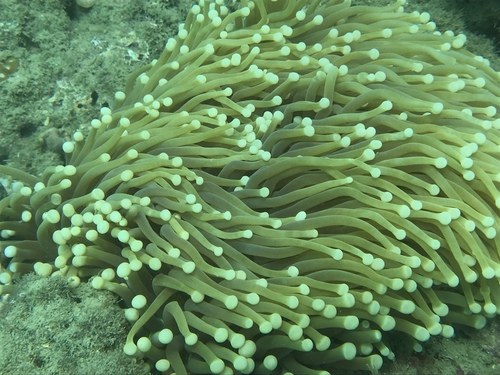
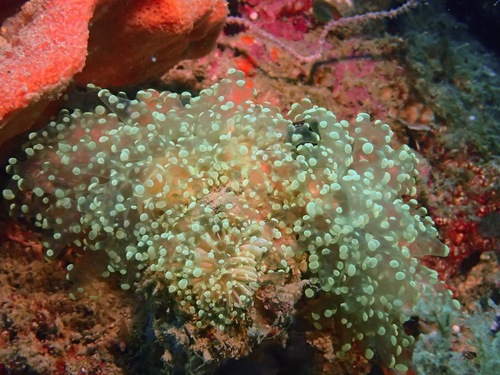
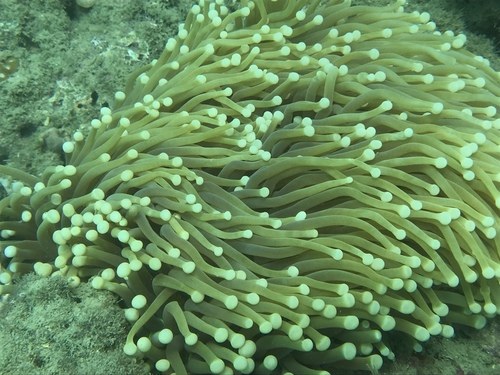
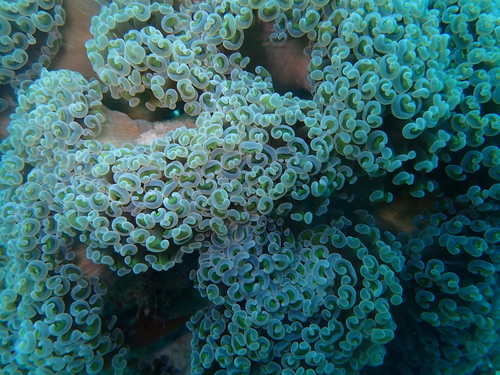
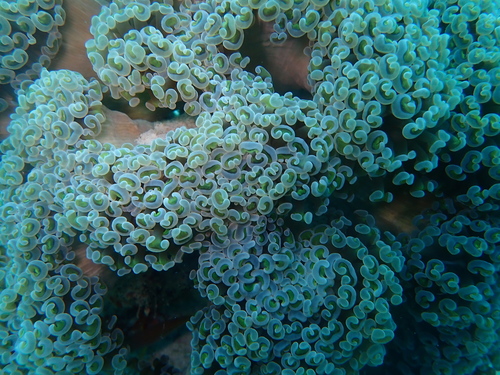
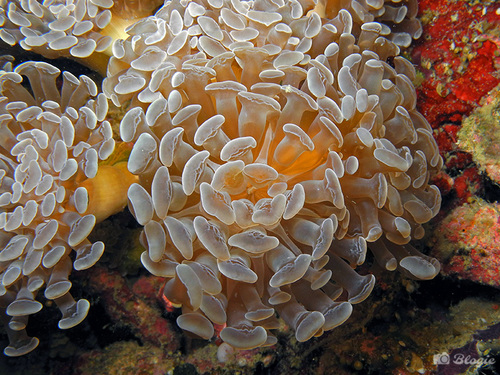
The Green neon Octofrogspawn (Euphyllia divisa) captivates with its vibrant hues and unique polyp structure.
Pricing for Verified Importers
Log in to see wholesale prices and order.
Export Size
up to 30.0 cm
Origin
Indo-Pacific
Temperature
24.0–28.0°C
Min. Tank Size
100 L
Salinity
1.020–1.025 ppt
pH
8.10–8.40
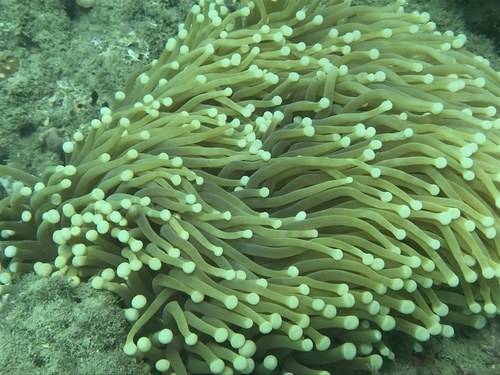
Euphyllia divisa, commonly referred to as frogspawn coral, is a visually striking large-polyped stony coral found predominantly in the warm waters of the Indo-Pacific region. This species is characterized by its bulbous, elongated polyps that resemble frog eggs, giving it the name 'frogspawn.' The vivid green coloration of its tissue, combined with its flowing appearance, makes it a popular choice among marine aquarium enthusiasts. Frogspawn coral can thrive in a variety of light conditions, although it often flourishes in moderate to high light, allowing its colors to truly shine.
In terms of natural history, Euphyllia divisa typically inhabits shallow reef environments, where it forms large colonies that provide shelter and habitat for smaller marine organisms. Its structure is composed of a corallite skeleton with a complex wall formation, allowing it to thrive in competitive coral ecosystems. The polyp extension is most pronounced during the night, when they feed on plankton and organic matter, demonstrating their active feeding behavior during these hours.
Behaviorally, frogspawn coral is known for its unique ability to engage in aggressive interactions with neighboring corals, often using its sweeper tentacles to defend its territory. This territorial behavior is crucial for its survival in the highly competitive reef environment. The species also exhibits a symbiotic relationship with zooxanthellae, microscopic algae that live within the coral's tissues, providing it with essential nutrients through photosynthesis.
Overall, Euphyllia divisa is not only a beautiful addition to aquariums but also plays a vital role in its natural habitat, contributing to the biodiversity of coral reefs. Its adaptability and unique characteristics make it an intriguing species for both hobbyists and professionals alike.
In terms of natural history, Euphyllia divisa typically inhabits shallow reef environments, where it forms large colonies that provide shelter and habitat for smaller marine organisms. Its structure is composed of a corallite skeleton with a complex wall formation, allowing it to thrive in competitive coral ecosystems. The polyp extension is most pronounced during the night, when they feed on plankton and organic matter, demonstrating their active feeding behavior during these hours.
Behaviorally, frogspawn coral is known for its unique ability to engage in aggressive interactions with neighboring corals, often using its sweeper tentacles to defend its territory. This territorial behavior is crucial for its survival in the highly competitive reef environment. The species also exhibits a symbiotic relationship with zooxanthellae, microscopic algae that live within the coral's tissues, providing it with essential nutrients through photosynthesis.
Overall, Euphyllia divisa is not only a beautiful addition to aquariums but also plays a vital role in its natural habitat, contributing to the biodiversity of coral reefs. Its adaptability and unique characteristics make it an intriguing species for both hobbyists and professionals alike.
Caring for Euphyllia divisa requires attention to specific water parameters to ensure its health and vitality. Ideal water temperature ranges from 24°C to 28°C, with a salinity of 1.020 to 1.025 ppt. Maintaining a pH level between 8.1 and 8.4 is crucial for optimal growth and well-being. Proper lighting is essential; moderate to high-intensity lighting will promote healthy polyp expansion and vibrant coloration. Regular water changes and efficient filtration will help maintain water quality.
Feeding for frogspawn coral should include a mix of small plankton, zooplankton, and high-quality coral foods. It is recommended to feed them 2-3 times a week, ideally in the evening when polyps are fully extended. Compatibility with other corals is generally good, but caution should be exercised with aggressive species, as Euphyllia divisa can engage in territorial disputes.
Acclimation is critical when introducing this coral to a new environment. A slow drip acclimation method is advised to minimize stress. Quarantine procedures should also be implemented to ensure the health of new specimens, allowing for observation and potential treatment for diseases or pests before introduction into the display tank.
Feeding for frogspawn coral should include a mix of small plankton, zooplankton, and high-quality coral foods. It is recommended to feed them 2-3 times a week, ideally in the evening when polyps are fully extended. Compatibility with other corals is generally good, but caution should be exercised with aggressive species, as Euphyllia divisa can engage in territorial disputes.
Acclimation is critical when introducing this coral to a new environment. A slow drip acclimation method is advised to minimize stress. Quarantine procedures should also be implemented to ensure the health of new specimens, allowing for observation and potential treatment for diseases or pests before introduction into the display tank.
Euphyllia divisa is suitable for shipping due to its resilience, but careful packing is essential to prevent damage during transit. It is recommended to use insulated boxes with adequate padding and temperature control systems to maintain stable conditions. Shipping density should be limited to avoid overcrowding, which can lead to stress. The ideal shipping temperature is between 20°C and 24°C. This species is not listed under CITES, making export procedures straightforward.
Species Parameters
Max Adult Size
30.0 cm
Origin
Indo-Pacific
Temp Min
24.0 °C
Temp Max
28.0 °C
Salinity Min
1.020
Salinity Max
1.025
pH Min
8.10
pH Max
8.40
Min Tank
100 L