CITES App. II
Cat eyes Bubble Coral
Plerogyra sinuosa
In Stock
Common stock
Aquacultured
Experienced care
Reef Safe ✓
SKU: ML-HC-0128
The Cat Eyes Bubble Coral is a stunning centerpiece for any reef aquarium, known for its unique bubbly appearance.
Pricing for Verified Importers
Log in to see wholesale prices and order.
Export Size
up to 30.0 cm
Origin
Indo-Pacific
Temperature
24.0–28.0°C
Min. Tank Size
100 L
Salinity
1.023–1.025 ppt
pH
8.10–8.40
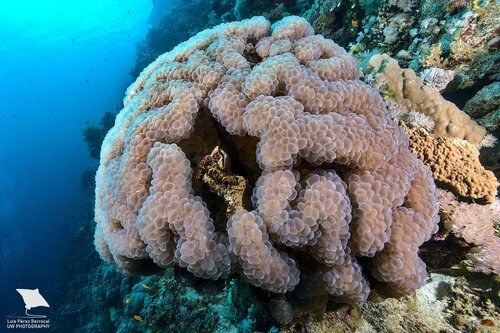
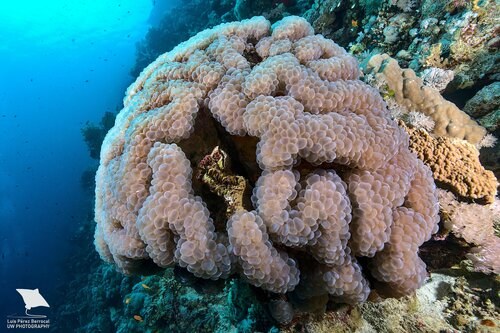
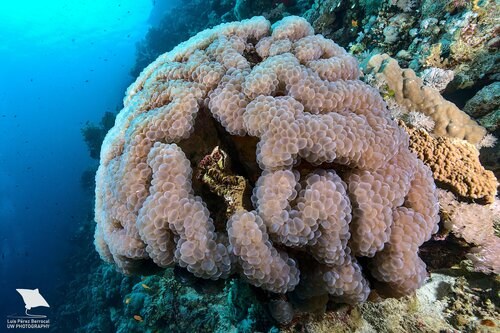
Plerogyra sinuosa, commonly referred to as Cat Eyes Bubble Coral, is a captivating species of coral belonging to the phylum Cnidaria. It is renowned for its distinctive grape-sized bubbles, which expand during the day to maximize light absorption and contract at night when the tentacles extend to capture food. This remarkable adaptation allows the coral to thrive in varying light conditions, making it a favorite among aquarium enthusiasts.
This coral species is primarily found in warm waters from the Red Sea and Madagascar to the Pacific regions, including Okinawa and the Line Islands. Bubble corals are typically located in shallow waters, where they benefit from moderate to low light conditions and gentle water flow. Their natural habitats often include coral reefs, where they form symbiotic relationships with various marine organisms.
In terms of appearance, the Cat Eyes Bubble Coral exhibits a mesmerizing array of colors, ranging from green to brown, often with vibrant hues that can enhance the aesthetic of any aquarium. The bubbles, which can grow quite large, create a visually striking display, especially when illuminated by aquarium lighting. The coral also has the ability to expand and contract, adding dynamic movement to the tank environment.
Behaviorally, Plerogyra sinuosa is typically peaceful and can coexist with a variety of marine species, making it an excellent addition to community reef tanks. Its tentacles, equipped with stinging cells, can capture zooplankton and small fish, providing essential nutrients to the coral. However, care should be taken to ensure compatibility with other tank inhabitants, as aggressive species may pose a threat to its well-being.
This coral species is primarily found in warm waters from the Red Sea and Madagascar to the Pacific regions, including Okinawa and the Line Islands. Bubble corals are typically located in shallow waters, where they benefit from moderate to low light conditions and gentle water flow. Their natural habitats often include coral reefs, where they form symbiotic relationships with various marine organisms.
In terms of appearance, the Cat Eyes Bubble Coral exhibits a mesmerizing array of colors, ranging from green to brown, often with vibrant hues that can enhance the aesthetic of any aquarium. The bubbles, which can grow quite large, create a visually striking display, especially when illuminated by aquarium lighting. The coral also has the ability to expand and contract, adding dynamic movement to the tank environment.
Behaviorally, Plerogyra sinuosa is typically peaceful and can coexist with a variety of marine species, making it an excellent addition to community reef tanks. Its tentacles, equipped with stinging cells, can capture zooplankton and small fish, providing essential nutrients to the coral. However, care should be taken to ensure compatibility with other tank inhabitants, as aggressive species may pose a threat to its well-being.
Caring for Cat Eyes Bubble Coral requires attention to specific water parameters and environmental conditions. Ideally, the water temperature should be maintained between 24-28°C. Salinity levels should be kept between 1.023 and 1.025 ppt, with a pH range of 8.1 to 8.4. Adequate water flow is essential, but care should be taken to avoid strong currents that can stress the coral.
Feeding is also crucial for the health of Plerogyra sinuosa. While it derives energy from photosynthesis, supplemental feeding with zooplankton or specialized coral foods a few times a week can enhance growth and vitality. Acclimation should be gradual; introduce the coral to the aquarium slowly to minimize stress.
When it comes to compatibility, this coral generally cohabits well with non-aggressive species. However, it is advised to keep it away from more aggressive corals that may compete for space or harm it. Quarantine new arrivals to ensure they are free from diseases before introducing them into the main display tank.
Feeding is also crucial for the health of Plerogyra sinuosa. While it derives energy from photosynthesis, supplemental feeding with zooplankton or specialized coral foods a few times a week can enhance growth and vitality. Acclimation should be gradual; introduce the coral to the aquarium slowly to minimize stress.
When it comes to compatibility, this coral generally cohabits well with non-aggressive species. However, it is advised to keep it away from more aggressive corals that may compete for space or harm it. Quarantine new arrivals to ensure they are free from diseases before introducing them into the main display tank.
Plerogyra sinuosa is suitable for shipping due to its hardiness, but care must be taken during transport to maintain stable temperatures between 24-28°C. Packing density should allow for adequate water circulation to prevent stress. It is not listed under CITES, but ensure compliance with local regulations regarding coral trade.
Species Parameters
Max Adult Size
30.0 cm
Origin
Indo-Pacific
Temp Min
24.0 °C
Temp Max
28.0 °C
Salinity Min
1.023
Salinity Max
1.025
pH Min
8.10
pH Max
8.40
Min Tank
100 L