CITES App. II
Green Scolymia Coral
Scolymia vitiensis
In Stock
Common stock
Maricultured
Experienced care
Reef Safe ✓
SKU: CB-HC-0053
The Green Scolymia Coral is a stunning addition to any reef aquarium, known for its vibrant colors and unique structure.
Pricing for Verified Importers
Log in to see wholesale prices and order.
Export Size
up to 20.0 cm
Origin
Coral Triangle
Temperature
24.0–28.0°C
Min. Tank Size
50 L
Salinity
1.023–1.025 ppt
pH
8.10–8.40
Diet
omnivore
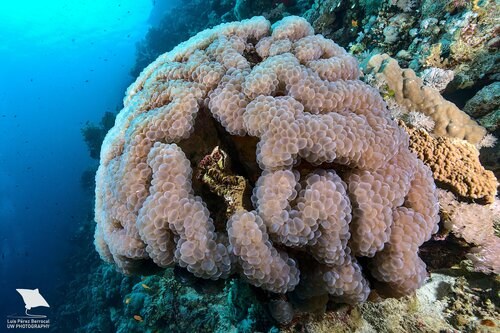
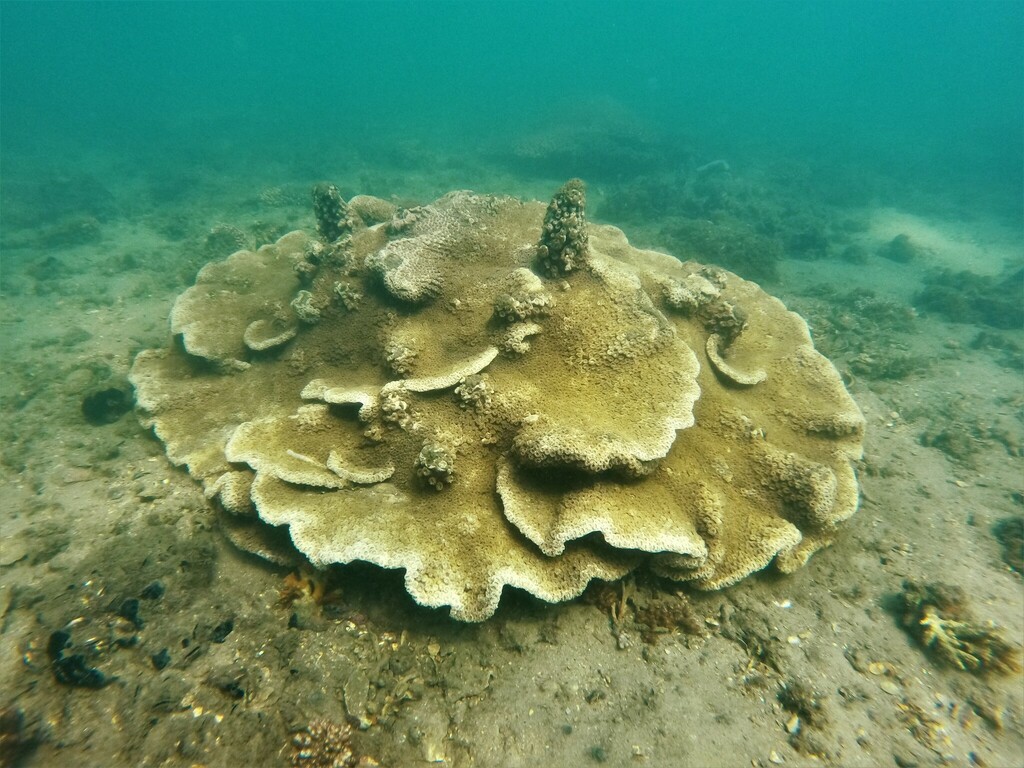
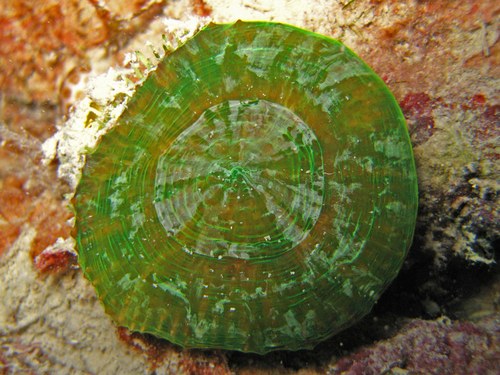
Green Scolymia Coral (Scolymia vitiensis) is a captivating species native to the Coral Triangle, particularly abundant in the warm, shallow waters of Indonesia. This coral is renowned for its striking green coloration, which can vary from bright lime to deep emerald, often featuring intricate patterns that make each specimen unique. The corals are solitary, meaning they grow as individual polyps rather than forming large colonies, which allows them to stand out beautifully in aquascapes.
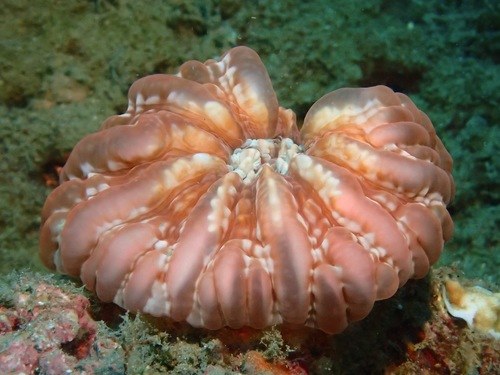
In terms of appearance, Green Scolymia Coral has a rounded, often dome-like shape, with a smooth surface adorned with distinctive, swollen ridges and valleys. These ridges are where the coral's polyps extend to feed during the night, capturing plankton and other nutrients from the water column. Its vibrant hues and intricate textures not only enhance the aesthetic of an aquarium but also serve as important indicators of health and vitality in coral systems.
Behaviorally, this species is relatively peaceful and can coexist with other corals and marine life when placed in appropriate settings. However, it is important to monitor its interactions with aggressive species, as it can be sensitive to competition for space and resources. In its natural habitat, Scolymia vitiensis thrives in nutrient-rich waters, often found on sandy substrates near reefs, where it benefits from the surrounding biodiversity.
The habitat of Green Scolymia Coral is primarily in areas with moderate water movement and light. This species demonstrates a remarkable resilience to varying conditions, making it a suitable candidate for both novice and experienced aquarists seeking to cultivate a vibrant marine ecosystem.
In terms of appearance, Green Scolymia Coral has a rounded, often dome-like shape, with a smooth surface adorned with distinctive, swollen ridges and valleys. These ridges are where the coral's polyps extend to feed during the night, capturing plankton and other nutrients from the water column. Its vibrant hues and intricate textures not only enhance the aesthetic of an aquarium but also serve as important indicators of health and vitality in coral systems.
Behaviorally, this species is relatively peaceful and can coexist with other corals and marine life when placed in appropriate settings. However, it is important to monitor its interactions with aggressive species, as it can be sensitive to competition for space and resources. In its natural habitat, Scolymia vitiensis thrives in nutrient-rich waters, often found on sandy substrates near reefs, where it benefits from the surrounding biodiversity.
The habitat of Green Scolymia Coral is primarily in areas with moderate water movement and light. This species demonstrates a remarkable resilience to varying conditions, making it a suitable candidate for both novice and experienced aquarists seeking to cultivate a vibrant marine ecosystem.
To successfully care for Green Scolymia Coral, maintain water parameters within specific ranges: temperature should be between 24°C to 28°C, salinity around 1.023 to 1.025 ppt, and pH levels should ideally be between 8.1 and 8.4. Regular water quality testing is crucial to ensure a stable environment. This coral benefits from moderate lighting and moderate water flow, which helps to prevent detritus accumulation and promotes healthy feeding.
Feeding Green Scolymia Coral involves providing a mix of small meaty foods such as zooplankton, mysis shrimp, and specialized coral foods. While it can photosynthesize to some extent due to its symbiotic relationship with zooxanthellae, supplemental feeding is essential for optimal growth and coloration.
When introducing this coral to an aquarium, gradual acclimation is vital to prevent shock. Use the drip acclimation method over a period of several hours to allow the coral to adjust to the new water conditions. Quarantine is recommended before introducing it to a display tank to prevent the spread of pests or diseases. Compatibility with other corals is generally good, but ensure it is placed away from aggressive species to avoid stinging and damage.
Regular monitoring for signs of stress or disease, along with routine maintenance of water quality, will help maintain the health of this stunning coral species.
Feeding Green Scolymia Coral involves providing a mix of small meaty foods such as zooplankton, mysis shrimp, and specialized coral foods. While it can photosynthesize to some extent due to its symbiotic relationship with zooxanthellae, supplemental feeding is essential for optimal growth and coloration.
When introducing this coral to an aquarium, gradual acclimation is vital to prevent shock. Use the drip acclimation method over a period of several hours to allow the coral to adjust to the new water conditions. Quarantine is recommended before introducing it to a display tank to prevent the spread of pests or diseases. Compatibility with other corals is generally good, but ensure it is placed away from aggressive species to avoid stinging and damage.
Regular monitoring for signs of stress or disease, along with routine maintenance of water quality, will help maintain the health of this stunning coral species.
Green Scolymia Coral is well-suited for shipping due to its hardy nature. It should be packed in a secure, temperature-controlled environment to maintain stability during transit. Optimal packing density should allow for adequate water circulation to prevent stress. Maintain shipping temperatures between 24°C and 26°C. This species is not listed under CITES, easing export regulations.
Species Parameters
Max Adult Size
20.0 cm
Origin
Coral Triangle
Diet
omnivore
Temp Min
24.0 °C
Temp Max
28.0 °C
Salinity Min
1.023
Salinity Max
1.025
pH Min
8.10
pH Max
8.40
Min Tank
50 L