CITES App. II
Fox Coral
Plerogyra turbida
In Stock
Common stock
Maricultured
Experienced care
Reef Safe ✓
SKU: CB-HC-0107
Discover the enchanting Fox Coral, a captivating addition to any reef aquarium.
Pricing for Verified Importers
Log in to see wholesale prices and order.
Export Size
up to 20.0 cm
Origin
Coral Triangle
Temperature
24.0–28.0°C
Min. Tank Size
100 L
Salinity
1.023–1.025 ppt
pH
8.10–8.40
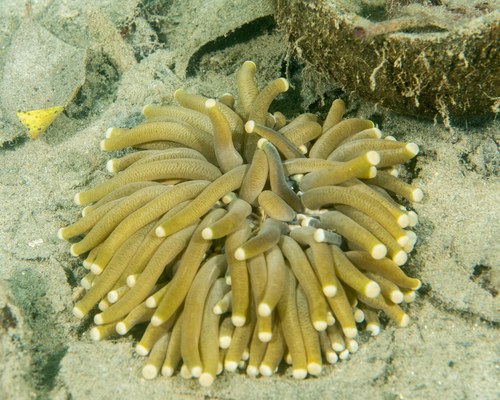
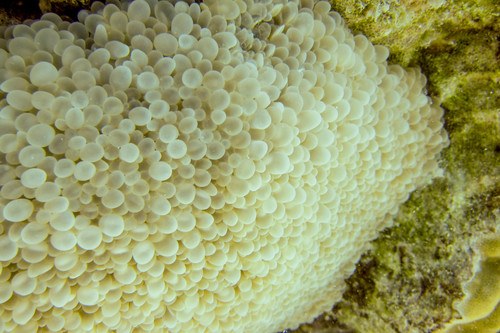
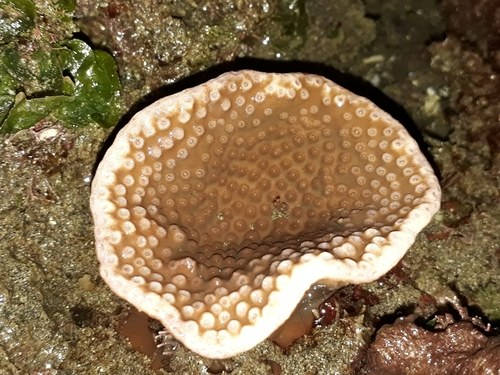
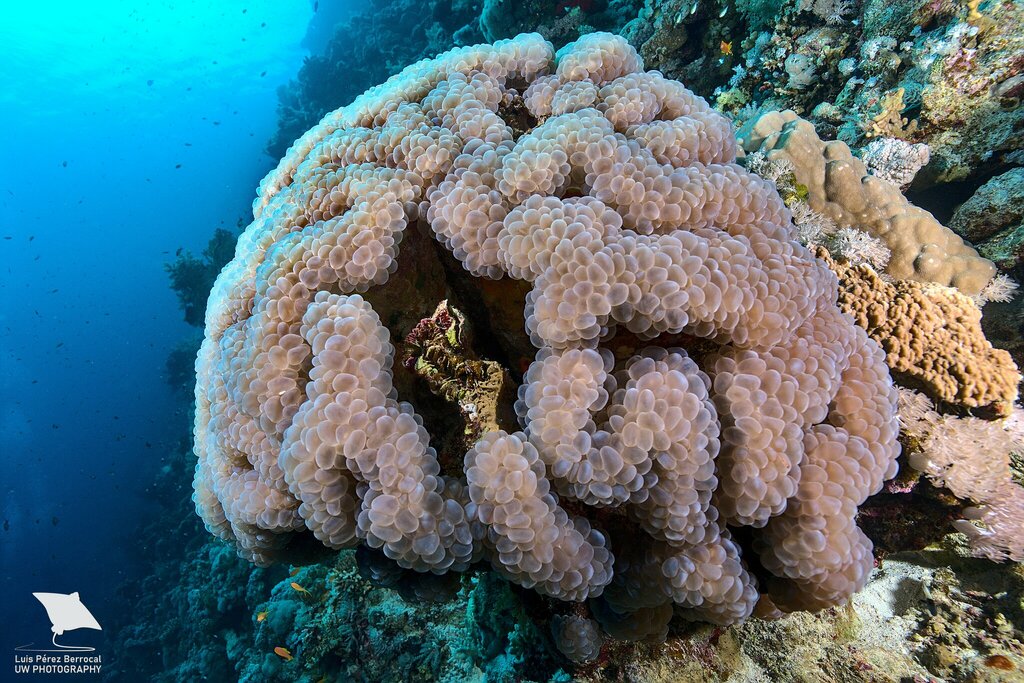
The Fox Coral, scientifically known as Plerogyra turbida, is a stunning species native to the reefs of the Coral Triangle. This species is renowned for its unique, bubble-like polyps that give it a fluffy appearance, making it an eye-catching centerpiece in reef aquariums. These corals exhibit a variety of vibrant colors, including greens, blues, and purples, which can enhance the aesthetic appeal of any aquatic setup.
In terms of natural history, Fox Corals thrive in shallow, warm waters where they can receive ample sunlight. They are typically found on coral reefs, where they grow in colonies that can expand significantly over time. Their symbiotic relationship with zooxanthellae algae allows them to perform photosynthesis, providing essential nutrients while contributing to their vibrant colors. This adaptability to various environments ensures their survival, although they are still sensitive to drastic changes in water quality.
Behaviorally, Fox Corals are generally peaceful and can coexist with a variety of other tank inhabitants. They exhibit a slow growth rate, adding to their longevity and appeal in a well-maintained aquarium. Their unique feeding habits allow them to capture plankton and other small particles present in the water, supplementing their nutritional needs alongside photosynthesis.
These corals play a crucial role in creating habitat structures in marine ecosystems, offering shelter and feeding grounds for numerous marine species. Their ecological importance, combined with their striking beauty, makes them a sought-after choice for both novice and experienced aquarists alike.
In terms of natural history, Fox Corals thrive in shallow, warm waters where they can receive ample sunlight. They are typically found on coral reefs, where they grow in colonies that can expand significantly over time. Their symbiotic relationship with zooxanthellae algae allows them to perform photosynthesis, providing essential nutrients while contributing to their vibrant colors. This adaptability to various environments ensures their survival, although they are still sensitive to drastic changes in water quality.
Behaviorally, Fox Corals are generally peaceful and can coexist with a variety of other tank inhabitants. They exhibit a slow growth rate, adding to their longevity and appeal in a well-maintained aquarium. Their unique feeding habits allow them to capture plankton and other small particles present in the water, supplementing their nutritional needs alongside photosynthesis.
These corals play a crucial role in creating habitat structures in marine ecosystems, offering shelter and feeding grounds for numerous marine species. Their ecological importance, combined with their striking beauty, makes them a sought-after choice for both novice and experienced aquarists alike.
To maintain optimal health for Fox Coral, it is essential to replicate their natural habitat as closely as possible. Ideal water parameters include a temperature range of 24-28°C, salinity between 1.023 and 1.025 ppt, and a pH level of 8.1 to 8.4. Regular water testing and maintenance are crucial to prevent fluctuations that could stress the coral.
Feeding Fox Coral can be done with a mix of high-quality coral foods, including liquid or powdered foods designed for filter feeders, as well as live or frozen plankton. While they primarily rely on photosynthesis, supplemental feeding can enhance their growth and coloration.
In terms of compatibility, Fox Corals are generally peaceful and can be housed with a variety of tank mates, including other corals and non-aggressive fish species. However, it is advisable to avoid aggressive corals that could outcompete them for space and resources. When introducing Fox Coral to a new aquarium, proper acclimation is vital; use a slow drip method to adjust them to the new environment gradually.
Quarantine is recommended before adding them to your display tank to prevent the introduction of pests or diseases. A separate tank for at least two weeks can help ensure they are healthy and free from any potential threats.
Feeding Fox Coral can be done with a mix of high-quality coral foods, including liquid or powdered foods designed for filter feeders, as well as live or frozen plankton. While they primarily rely on photosynthesis, supplemental feeding can enhance their growth and coloration.
In terms of compatibility, Fox Corals are generally peaceful and can be housed with a variety of tank mates, including other corals and non-aggressive fish species. However, it is advisable to avoid aggressive corals that could outcompete them for space and resources. When introducing Fox Coral to a new aquarium, proper acclimation is vital; use a slow drip method to adjust them to the new environment gradually.
Quarantine is recommended before adding them to your display tank to prevent the introduction of pests or diseases. A separate tank for at least two weeks can help ensure they are healthy and free from any potential threats.
Fox Coral is suitable for shipping under controlled conditions, ensuring they are securely packed to minimize stress. Ideal packing density is 1-2 corals per box, with adequate insulation to maintain stable temperatures. They are sensitive to temperature fluctuations, so maintaining a range of 24-26°C during transport is recommended. Fox Coral is listed under CITES Appendix II, indicating that their trade is regulated to ensure sustainability.
Species Parameters
Max Adult Size
20.0 cm
Origin
Coral Triangle
Temp Min
24.0 °C
Temp Max
28.0 °C
Salinity Min
1.023
Salinity Max
1.025
pH Min
8.10
pH Max
8.40
Min Tank
100 L