CITES App. II
Pearl Coral
Physogyra lichtensteini
In Stock
Common stock
Maricultured
Experienced care
Reef Safe ✓
SKU: CB-HC-0104
The Pearl Coral, known for its captivating beauty, enhances any reef aquarium.
Pricing for Verified Importers
Log in to see wholesale prices and order.
Export Size
up to 30.0 cm
Origin
Coral Triangle
Temperature
24.0–28.0°C
Min. Tank Size
100 L
Salinity
1.023–1.025 ppt
pH
8.10–8.40
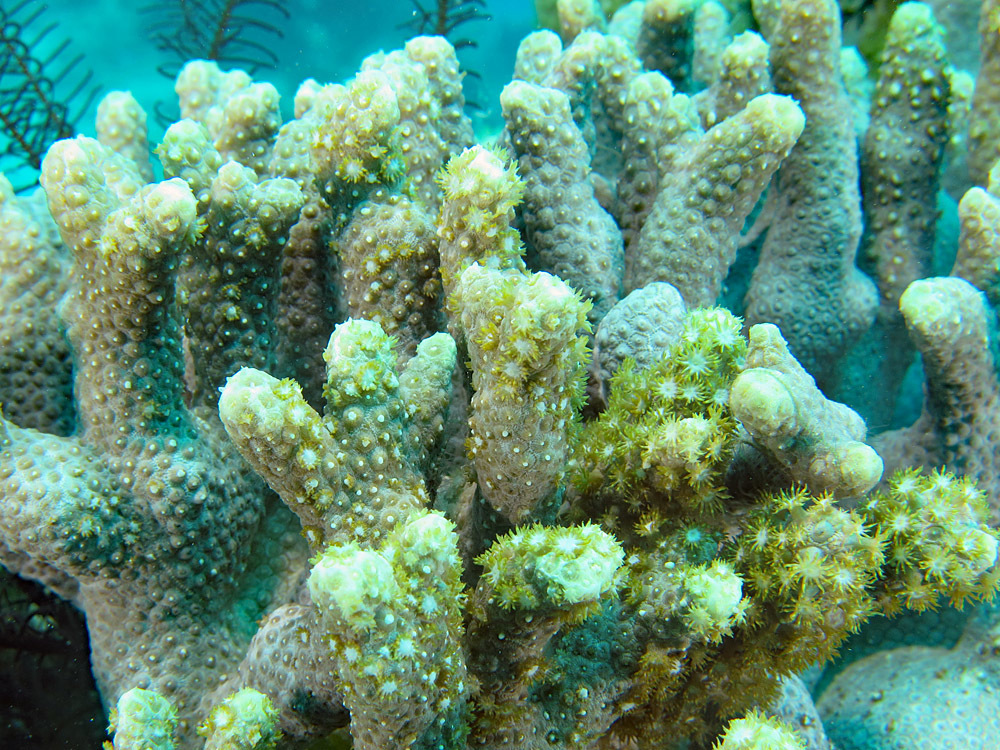
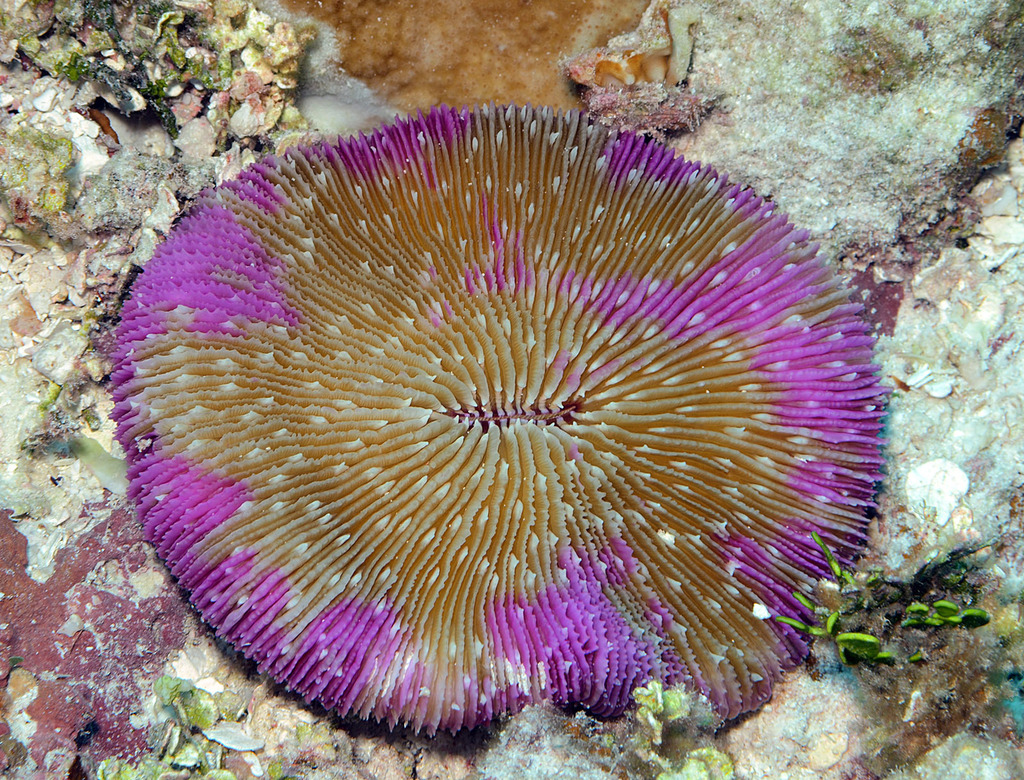
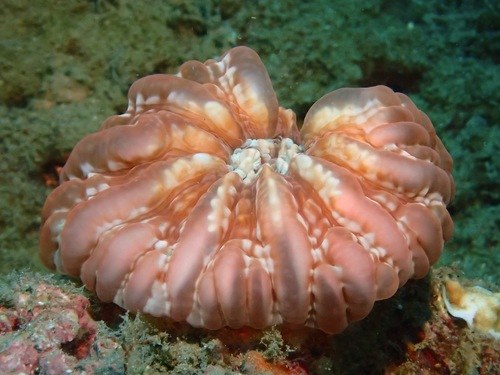
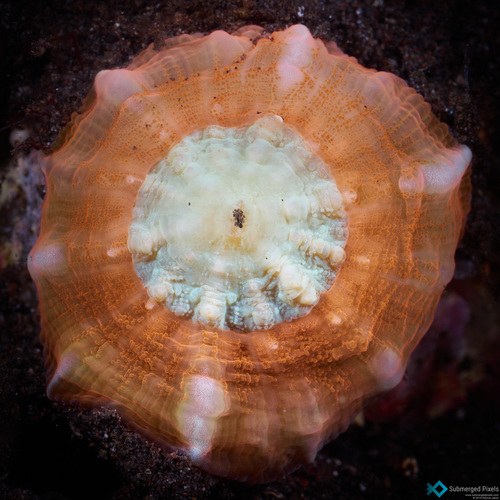
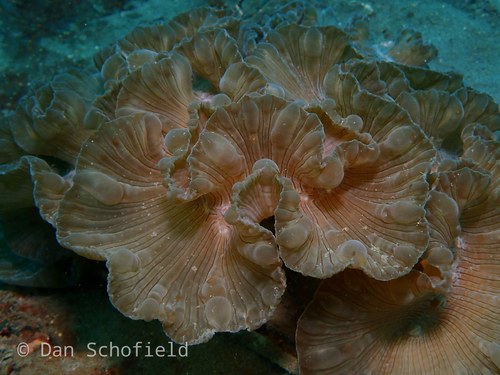
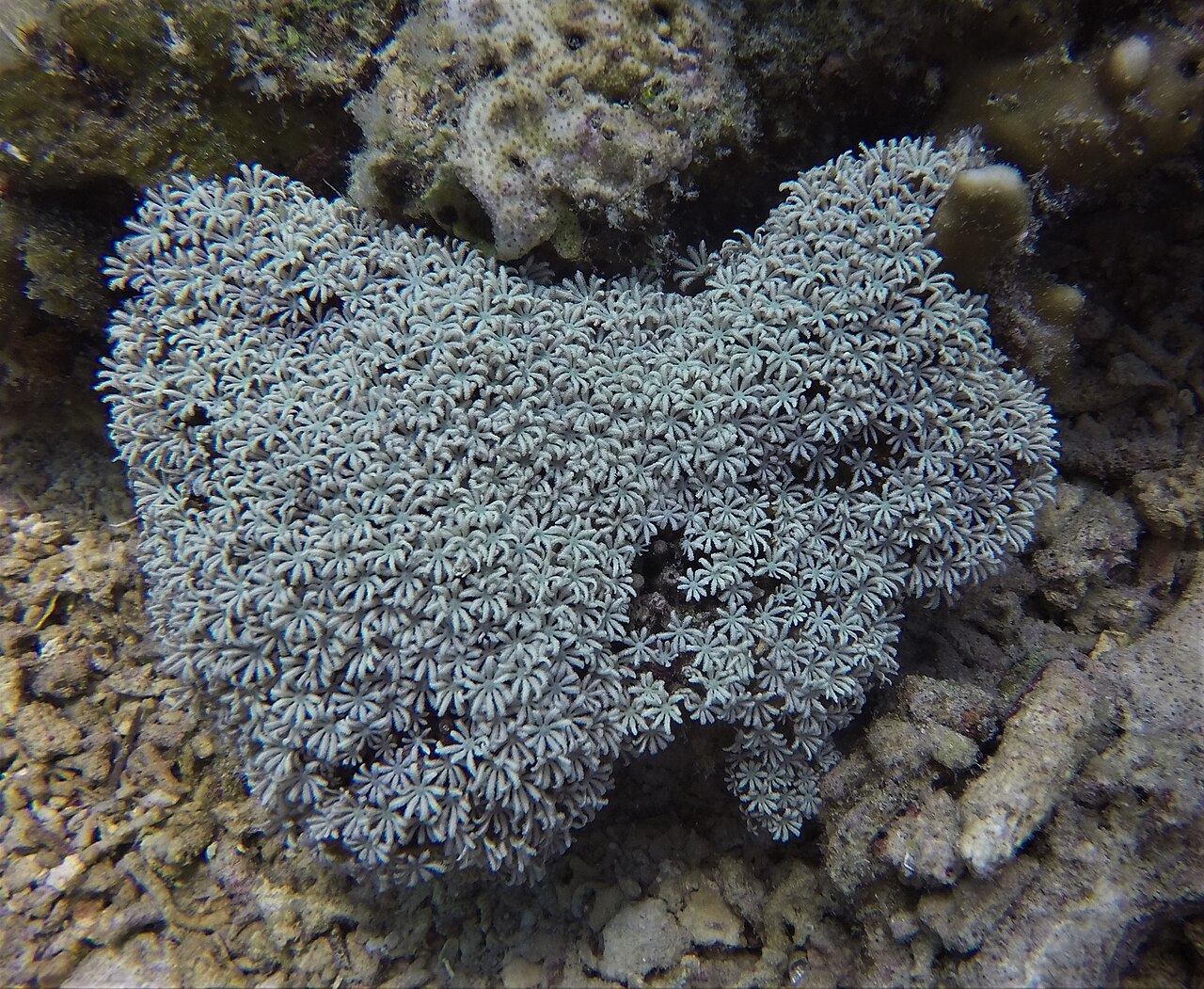
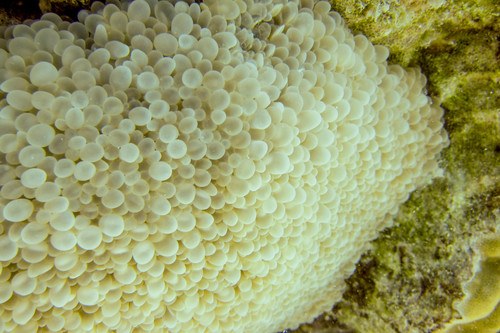
Pearl Coral (Physogyra lichtensteini) is a stunning species found predominantly in the warm waters of the Coral Triangle. This species is renowned for its unique, bulbous polyp structure that gives it a pearl-like appearance. Its vibrant colors can range from rich greens to soft pinks, making it a popular choice among coral enthusiasts and aquarium importers looking to add a striking visual element to their displays.
In terms of natural history, Pearl Corals are primarily found in shallow reef environments, where they thrive in both light and moderate water flow. They tend to colonize rocky substrates, forming large colonies that provide habitat for various marine organisms. Their symbiotic relationship with zooxanthellae allows them to photosynthesize, contributing significantly to their energy needs, while also benefiting from the nutrients released by the coral.
Behaviorally, Pearl Corals are relatively peaceful and can coexist with many other species in a community tank. They exhibit a fascinating feeding strategy, extending their tentacles at night to capture plankton and organic matter, which adds to their adaptability in varied marine environments. This nocturnal feeding behavior is crucial for their survival, especially in nutrient-poor waters.
In their natural habitat, Pearl Corals contribute to the overall biodiversity of reef ecosystems, providing shelter and food for numerous marine species. Their resilience and beauty not only make them a vital part of the reef system but also a desirable addition for aquarium enthusiasts aiming to recreate a piece of these vibrant ecosystems in their tanks.
In terms of natural history, Pearl Corals are primarily found in shallow reef environments, where they thrive in both light and moderate water flow. They tend to colonize rocky substrates, forming large colonies that provide habitat for various marine organisms. Their symbiotic relationship with zooxanthellae allows them to photosynthesize, contributing significantly to their energy needs, while also benefiting from the nutrients released by the coral.
Behaviorally, Pearl Corals are relatively peaceful and can coexist with many other species in a community tank. They exhibit a fascinating feeding strategy, extending their tentacles at night to capture plankton and organic matter, which adds to their adaptability in varied marine environments. This nocturnal feeding behavior is crucial for their survival, especially in nutrient-poor waters.
In their natural habitat, Pearl Corals contribute to the overall biodiversity of reef ecosystems, providing shelter and food for numerous marine species. Their resilience and beauty not only make them a vital part of the reef system but also a desirable addition for aquarium enthusiasts aiming to recreate a piece of these vibrant ecosystems in their tanks.
To successfully care for Pearl Coral, maintain water parameters within the following ranges: temperature should be kept between 24°C and 28°C, salinity between 1.023 and 1.025 ppt, and pH levels should remain between 8.1 and 8.4. Regular water changes and the use of high-quality filtration are essential to ensure a stable environment. Additionally, providing moderate water flow will help the coral thrive while preventing sediment buildup on their delicate structures.
Feeding is a crucial aspect of Pearl Coral care. While they rely on photosynthesis for energy, supplementing their diet with coral-specific foods, such as liquid or powdered coral foods and plankton, will enhance their growth and vibrancy. Compatibility is generally good with other peaceful coral species and fish, but care should be taken to avoid aggressive tank mates that may harm the coral's fragile polyps.
Acclimation is essential when introducing Pearl Coral to a new tank. Use a slow drip method to gradually adjust them to the new water parameters. Quarantine new corals for at least two weeks before adding them to the main display tank to prevent the introduction of pests or diseases. Regular monitoring for signs of stress or disease will help maintain the health and aesthetic value of this exquisite coral species.
Feeding is a crucial aspect of Pearl Coral care. While they rely on photosynthesis for energy, supplementing their diet with coral-specific foods, such as liquid or powdered coral foods and plankton, will enhance their growth and vibrancy. Compatibility is generally good with other peaceful coral species and fish, but care should be taken to avoid aggressive tank mates that may harm the coral's fragile polyps.
Acclimation is essential when introducing Pearl Coral to a new tank. Use a slow drip method to gradually adjust them to the new water parameters. Quarantine new corals for at least two weeks before adding them to the main display tank to prevent the introduction of pests or diseases. Regular monitoring for signs of stress or disease will help maintain the health and aesthetic value of this exquisite coral species.
Pearl Coral is suitable for shipping, but careful handling is necessary to ensure its survival during transit. Pack corals in insulated containers with adequate water to minimize temperature fluctuations. The ideal shipping temperature should be maintained between 24°C and 26°C. Ensure proper packing density to prevent damage to the coral. Pearl Coral is not listed under CITES, allowing for easier export from Bali.
Species Parameters
Max Adult Size
30.0 cm
Origin
Coral Triangle
Temp Min
24.0 °C
Temp Max
28.0 °C
Salinity Min
1.023
Salinity Max
1.025
pH Min
8.10
pH Max
8.40
Min Tank
100 L