CITES App. II
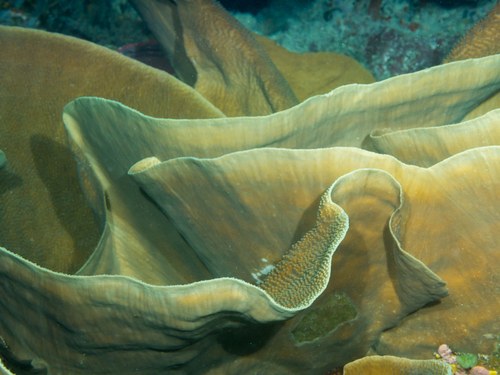
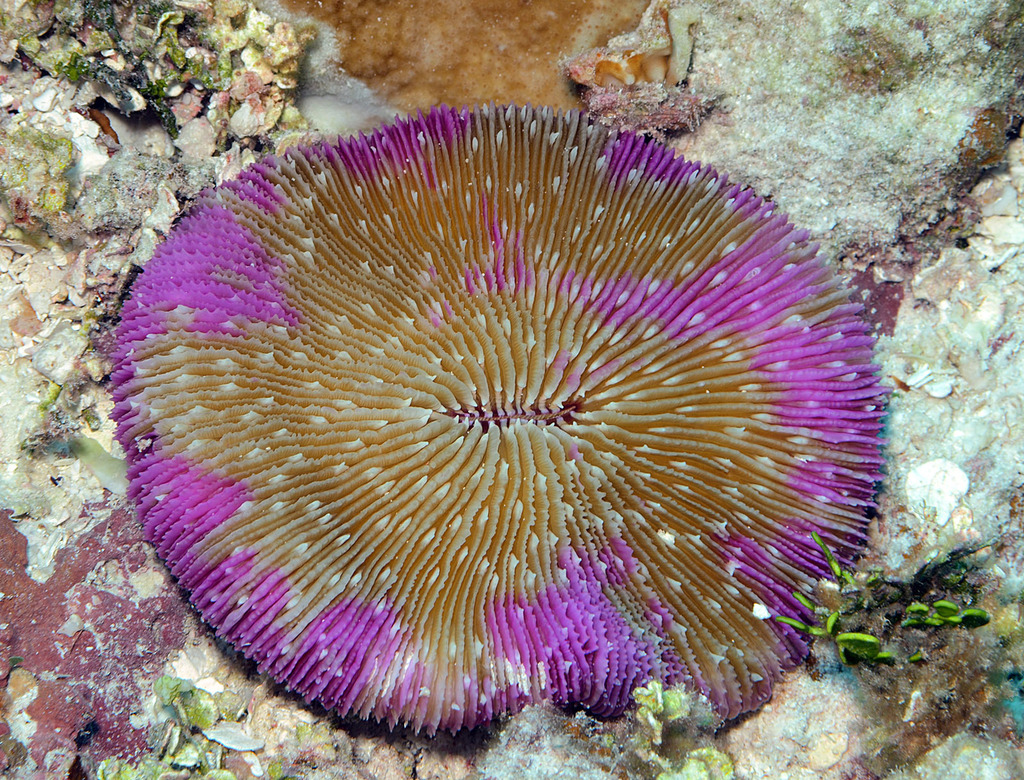
Green Branching Creater Coral
Turbinaria sp.
In Stock
Common stock
Maricultured
Experienced care
Reef Safe ✓
SKU: CB-HC-0124
The Green Branching Creater Coral (Turbinaria sp.) is a stunning addition to any marine aquarium, known for its vibrant color and unique branching structure.
Pricing for Verified Importers
Log in to see wholesale prices and order.
Export Size
up to 30.0 cm
Origin
Coral Triangle
Temperature
24.0–28.0°C
Min. Tank Size
100 L
Salinity
30.000–35.000 ppt
pH
8.10–8.40
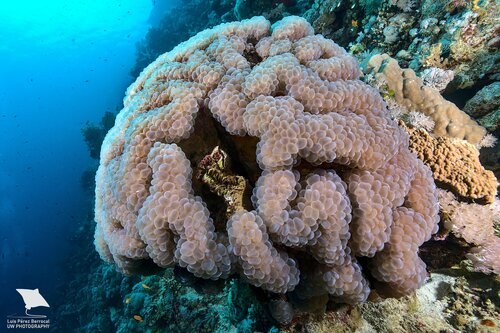
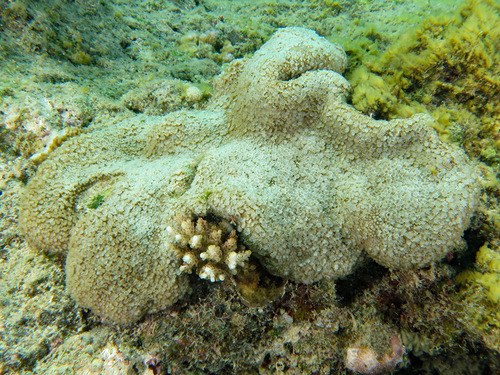
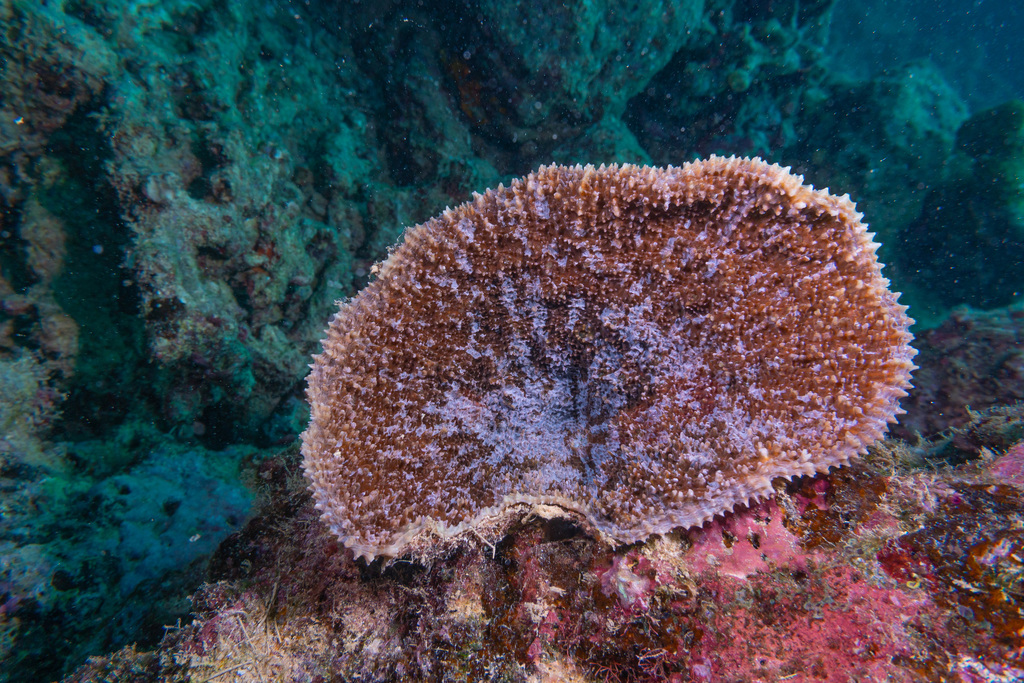
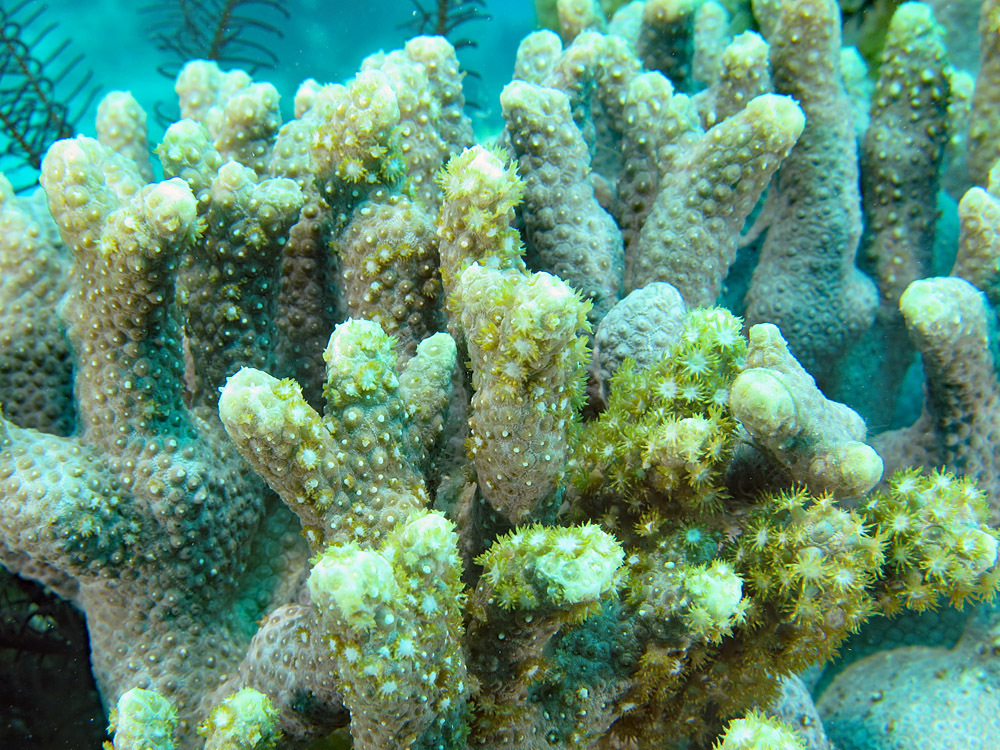
Turbinaria sp., commonly known as Green Branching Creater Coral, is a fascinating coral species belonging to the family Dendrophylliidae. Characterized by its striking green coloration and intricate branching patterns, this coral species thrives in shallow reef environments across the Coral Triangle. Its unique morphology not only adds aesthetic value but also provides essential habitat for a variety of marine life.
In terms of appearance, Turbinaria corals exhibit a robust and bushy growth form, with polyps that extend during the night to feed on plankton and particulates from the water column. The vibrant green hue is primarily due to the presence of symbiotic zooxanthellae, which photosynthesize and contribute to the coral's energy needs. These corals can grow several centimeters in height and spread outwards, creating a beautiful display that mimics the natural formations found in their native habitats.
Behaviorally, Turbinaria sp. is known to be relatively hardy compared to other coral species, making it a suitable choice for both novice and experienced aquarists. They exhibit a degree of resilience to fluctuating water conditions but prefer stable environments. In their natural habitats, these corals often engage in mutualistic relationships with various reef organisms, enhancing the biodiversity of their ecosystem.
Habitat-wise, the Green Branching Creater Coral typically resides on reef slopes and in lagoons, where they benefit from moderate water flow and optimal light conditions. They play a crucial role in the reef ecosystem, providing structure and shelter for fish and invertebrates, thus contributing to the overall health of coral reefs.
In terms of appearance, Turbinaria corals exhibit a robust and bushy growth form, with polyps that extend during the night to feed on plankton and particulates from the water column. The vibrant green hue is primarily due to the presence of symbiotic zooxanthellae, which photosynthesize and contribute to the coral's energy needs. These corals can grow several centimeters in height and spread outwards, creating a beautiful display that mimics the natural formations found in their native habitats.
Behaviorally, Turbinaria sp. is known to be relatively hardy compared to other coral species, making it a suitable choice for both novice and experienced aquarists. They exhibit a degree of resilience to fluctuating water conditions but prefer stable environments. In their natural habitats, these corals often engage in mutualistic relationships with various reef organisms, enhancing the biodiversity of their ecosystem.
Habitat-wise, the Green Branching Creater Coral typically resides on reef slopes and in lagoons, where they benefit from moderate water flow and optimal light conditions. They play a crucial role in the reef ecosystem, providing structure and shelter for fish and invertebrates, thus contributing to the overall health of coral reefs.
When caring for Turbinaria sp., maintaining appropriate water parameters is essential for their health and growth. The ideal temperature range is between 24°C and 28°C, with a salinity of 30-35 ppt. The pH should be kept between 8.1 and 8.4 to support their metabolic processes. To ensure optimal growth, a minimum tank size of 100 liters is recommended.
Feeding Turbinaria corals can be done through supplemental feeding with phytoplankton and other fine particulates, although they primarily rely on photosynthesis from their symbiotic zooxanthellae. In terms of compatibility, these corals generally coexist well with a variety of reef inhabitants but should be monitored for aggression from more dominant species.
Acclimation is crucial when introducing these corals to a new environment. It is recommended to use a slow drip acclimation method over several hours to minimize stress. Quarantine procedures should be implemented to prevent the introduction of pests or diseases into the main tank. Regular monitoring of water quality and parameters will help maintain a thriving environment for Turbinaria sp.
Feeding Turbinaria corals can be done through supplemental feeding with phytoplankton and other fine particulates, although they primarily rely on photosynthesis from their symbiotic zooxanthellae. In terms of compatibility, these corals generally coexist well with a variety of reef inhabitants but should be monitored for aggression from more dominant species.
Acclimation is crucial when introducing these corals to a new environment. It is recommended to use a slow drip acclimation method over several hours to minimize stress. Quarantine procedures should be implemented to prevent the introduction of pests or diseases into the main tank. Regular monitoring of water quality and parameters will help maintain a thriving environment for Turbinaria sp.
Turbinaria sp. is suitable for shipping, provided they are packed securely to prevent damage during transit. A packing density of 1-2 corals per box is recommended to ensure adequate space and prevent physical stress. These corals are somewhat temperature sensitive; therefore, maintaining a stable temperature around 24°C to 26°C during shipping is crucial. Currently, Turbinaria sp. is not listed under CITES, making it easier for exporters and importers to handle.
Species Parameters
Max Adult Size
30.0 cm
Origin
Coral Triangle
Temp Min
24.0 °C
Temp Max
28.0 °C
Salinity Min
30.000
Salinity Max
35.000
pH Min
8.10
pH Max
8.40
Min Tank
100 L