CITES App. II
Yellow Scroll Coral
Turbinaria mesenterina
In Stock
Common stock
Aquacultured
Experienced care
Reef Safe ✓
SKU: ML-HC-0135
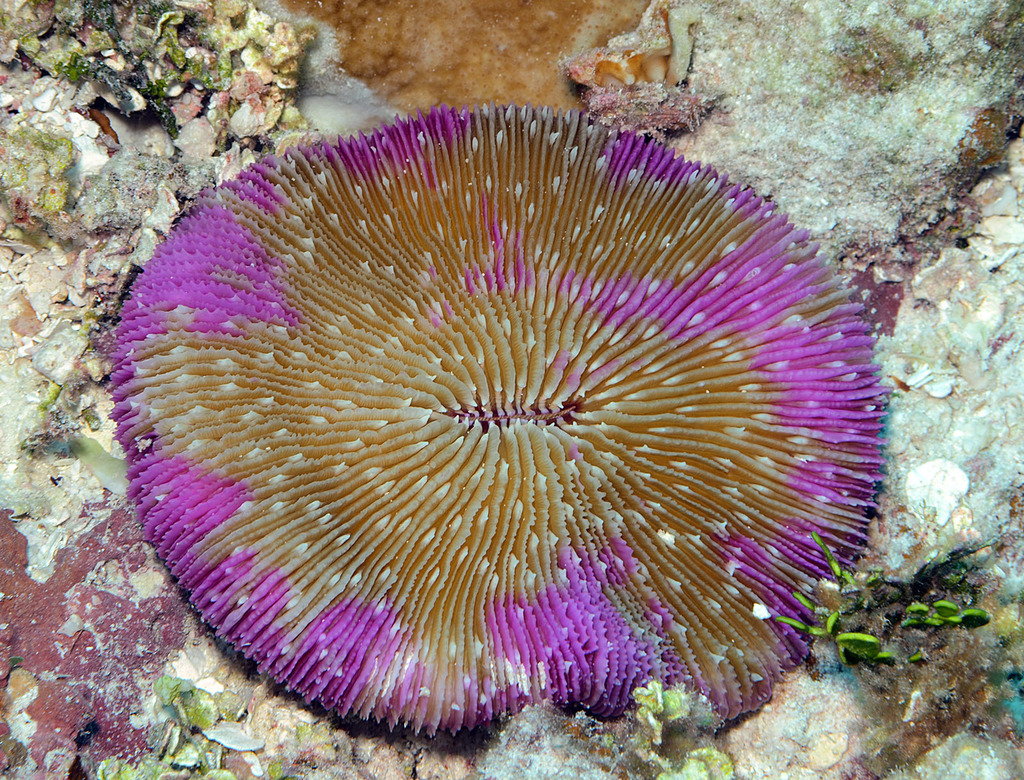
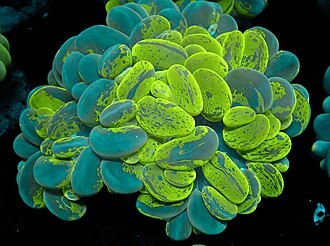
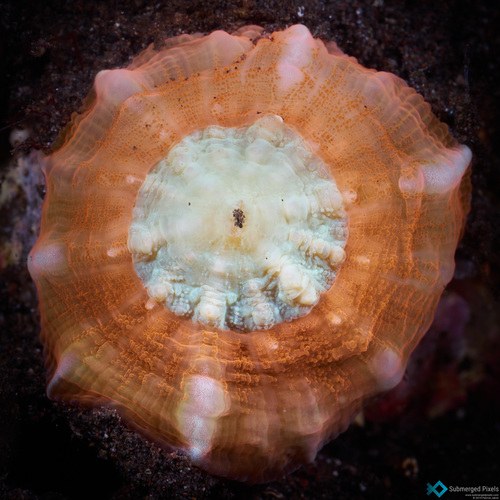
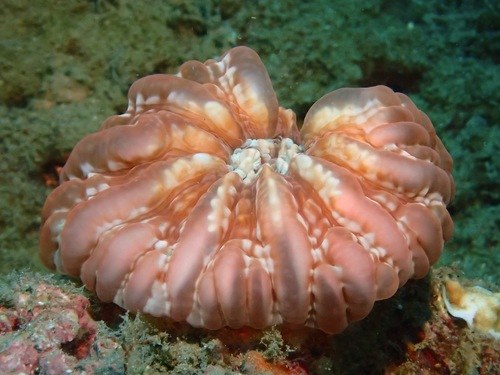
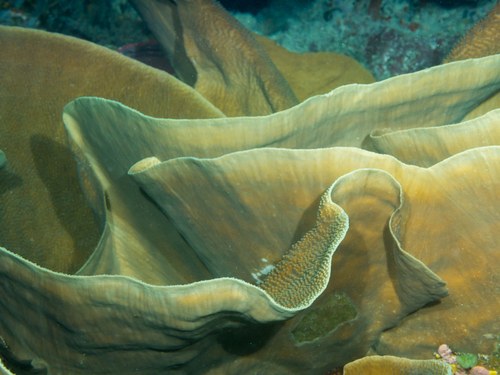
The Yellow Scroll Coral stands out with its unique spiral structure and vibrant coloration.
Pricing for Verified Importers
Log in to see wholesale prices and order.
Export Size
up to 30.0 cm
Origin
Indo-Pacific
Temperature
24.0–28.0°C
Min. Tank Size
100 L
Salinity
34.000–36.000 ppt
pH
8.10–8.40
Turbinaria mesenterina, often referred to as Yellow Scroll Coral or disc coral, is a remarkable species found in the warm waters of the Indo-Pacific region. This colonial stony coral is notable for its intricate, spiral formations that can create stunning visual displays in aquariums. These structures are not only beautiful but also serve as vital habitats for various marine organisms, contributing to the overall biodiversity of coral reef ecosystems.
In terms of appearance, the Yellow Scroll Coral exhibits a bright yellow to golden hue, which can vary based on environmental conditions. Its unique morphology includes spirally arranged plates that give it a distinctive scroll-like appearance. These corals are primarily nocturnal feeders, extending their tentacles at night to capture plankton and other nutrients drifting through the water. Their adaptability to different light conditions makes them a versatile choice for aquarists.
Yellow Scroll Coral thrives in shallow waters, often found at depths ranging from 1 to 20 meters. It prefers areas with moderate water movement and good light exposure, which aids in its photosynthetic processes. The coral's symbiotic relationship with zooxanthellae allows it to utilize sunlight for energy, while also benefiting from the nutrients the algae provide. This unique interaction underscores the importance of light and water quality in maintaining healthy corals in captivity.
Despite their beauty, Yellow Scroll Corals face threats from habitat degradation and climate change, leading to their current status as 'vulnerable' according to the International Union for Conservation of Nature. Conservation efforts are essential to protect their natural habitats, ensuring that these corals remain a part of our oceans for future generations.
In terms of appearance, the Yellow Scroll Coral exhibits a bright yellow to golden hue, which can vary based on environmental conditions. Its unique morphology includes spirally arranged plates that give it a distinctive scroll-like appearance. These corals are primarily nocturnal feeders, extending their tentacles at night to capture plankton and other nutrients drifting through the water. Their adaptability to different light conditions makes them a versatile choice for aquarists.
Yellow Scroll Coral thrives in shallow waters, often found at depths ranging from 1 to 20 meters. It prefers areas with moderate water movement and good light exposure, which aids in its photosynthetic processes. The coral's symbiotic relationship with zooxanthellae allows it to utilize sunlight for energy, while also benefiting from the nutrients the algae provide. This unique interaction underscores the importance of light and water quality in maintaining healthy corals in captivity.
Despite their beauty, Yellow Scroll Corals face threats from habitat degradation and climate change, leading to their current status as 'vulnerable' according to the International Union for Conservation of Nature. Conservation efforts are essential to protect their natural habitats, ensuring that these corals remain a part of our oceans for future generations.
For successful cultivation of Yellow Scroll Coral, maintaining optimal water parameters is crucial. Ideal temperature ranges between 24°C to 28°C, with a pH level of 8.1 to 8.4. Salinity should be kept around 34-36 ppt, ensuring that the water mimics their natural habitat. Regular water changes and monitoring of water quality are essential to prevent stress and disease.
Feeding this coral is pivotal for its health and growth. They primarily rely on photosynthesis, but supplemental feeding with phytoplankton or coral-specific foods can enhance their nutrition, especially in lower light conditions. Compatibility with other tank inhabitants is generally good; however, it’s advisable to place them away from aggressive corals that may outcompete them for space and light.
Acclimation to new environments should be gradual. A slow introduction to the display tank can minimize stress, followed by a quarantine period of at least 2 weeks before placement in a main tank. This practice helps to ensure that any potential diseases do not affect the health of other marine life. Maintaining a stable environment is key to the long-term success of Yellow Scroll Coral in aquariums.
Feeding this coral is pivotal for its health and growth. They primarily rely on photosynthesis, but supplemental feeding with phytoplankton or coral-specific foods can enhance their nutrition, especially in lower light conditions. Compatibility with other tank inhabitants is generally good; however, it’s advisable to place them away from aggressive corals that may outcompete them for space and light.
Acclimation to new environments should be gradual. A slow introduction to the display tank can minimize stress, followed by a quarantine period of at least 2 weeks before placement in a main tank. This practice helps to ensure that any potential diseases do not affect the health of other marine life. Maintaining a stable environment is key to the long-term success of Yellow Scroll Coral in aquariums.
Yellow Scroll Corals are suitable for shipping due to their hardiness, but care must be taken to maintain optimal conditions during transit. Packing density should allow for adequate water circulation and should avoid overcrowding. Temperature sensitivity requires careful monitoring, ideally keeping the coral between 24°C to 28°C during transport. This species is not listed under CITES, simplifying export regulations.
Species Parameters
Max Adult Size
30.0 cm
Origin
Indo-Pacific
Temp Min
24.0 °C
Temp Max
28.0 °C
Salinity Min
34.000
Salinity Max
36.000
pH Min
8.10
pH Max
8.40
Min Tank
100 L