CITES App. II
Tongue Coral
Polyphyllia talpina
In Stock
Common stock
Maricultured
Experienced care
Reef Safe ✓
SKU: CB-HC-0093
Discover the unique beauty of Tongue Coral, a stunning addition to any marine aquarium.
Pricing for Verified Importers
Log in to see wholesale prices and order.
Origin
Coral Triangle
Temperature
24.0–28.0°C
Min. Tank Size
200 L
Salinity
32.000–36.000 ppt
pH
8.10–8.40
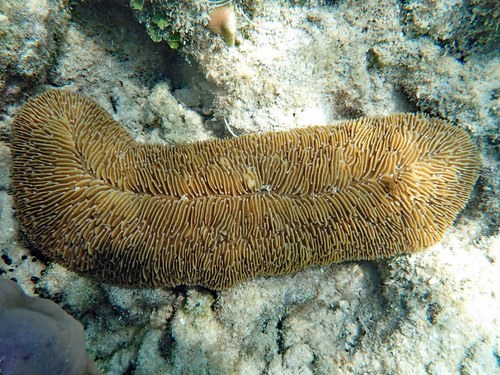
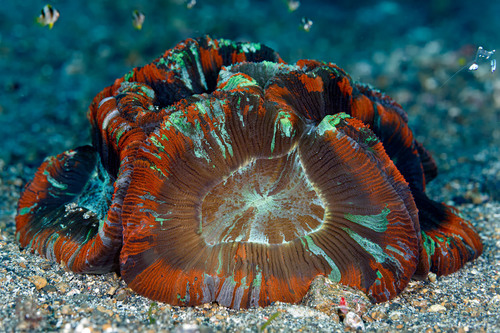
Tongue Coral (Polyphyllia talpina) is a captivating species known for its distinctive tongue-like structure and vibrant coloration. Found predominantly in the shallow waters of the Coral Triangle, this coral thrives in warm, nutrient-rich environments, showcasing an impressive diversity in its morphology. It typically displays a range of colors, including greens, blues, and purples, making it a visually striking specimen for aquarium enthusiasts.
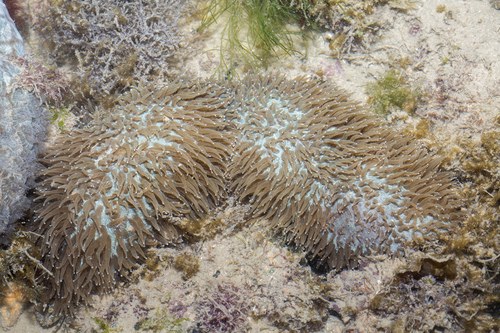
In its natural habitat, Tongue Coral forms extensive colonies that can cover large areas of reef, providing essential shelter and habitat for various marine organisms. The coral's polyps, which are soft and extend during feeding, thrive on plankton and organic matter, showcasing its role as a critical player in the marine ecosystem. This species is particularly noted for its resilience against environmental changes, although it remains sensitive to pollutants and drastic water quality fluctuations.
Behaviorally, Tongue Coral exhibits a fascinating growth pattern, often expanding its surface area to maximize light absorption for its symbiotic zooxanthellae. This relationship allows the coral to photosynthesize and derive energy effectively. Additionally, it has been observed to engage in slower growth rates compared to other coral species, which can influence its recovery from stress or damage.
Overall, the Tongue Coral is not only a beautiful addition to marine tanks but also an essential component of biodiversity in coral reefs. Its unique structure and ecological significance make it a sought-after species for aquarists looking to replicate the splendor of natural marine environments.
In its natural habitat, Tongue Coral forms extensive colonies that can cover large areas of reef, providing essential shelter and habitat for various marine organisms. The coral's polyps, which are soft and extend during feeding, thrive on plankton and organic matter, showcasing its role as a critical player in the marine ecosystem. This species is particularly noted for its resilience against environmental changes, although it remains sensitive to pollutants and drastic water quality fluctuations.
Behaviorally, Tongue Coral exhibits a fascinating growth pattern, often expanding its surface area to maximize light absorption for its symbiotic zooxanthellae. This relationship allows the coral to photosynthesize and derive energy effectively. Additionally, it has been observed to engage in slower growth rates compared to other coral species, which can influence its recovery from stress or damage.
Overall, the Tongue Coral is not only a beautiful addition to marine tanks but also an essential component of biodiversity in coral reefs. Its unique structure and ecological significance make it a sought-after species for aquarists looking to replicate the splendor of natural marine environments.
Tongue Coral requires specific water parameters to thrive in captivity. Ideal conditions include a temperature range of 24-28°C, salinity between 32-36 ppt, and a pH level of 8.1-8.4. Regular monitoring of these parameters is essential to maintain the health of the coral. Additionally, strong water movement is beneficial to ensure adequate nutrient distribution and waste removal.
Feeding Tongue Coral can enhance its growth and coloration. While it primarily relies on photosynthesis, supplemental feeding with microplankton or specialized coral foods can be offered once or twice a week. Care should be taken to avoid overfeeding, as this can lead to water quality issues.
In terms of compatibility, Tongue Coral is best kept in a peaceful community tank. It can coexist with a variety of reef-safe species but may be sensitive to aggressive fish that could damage its delicate structure. Acclimation to new environments should be conducted slowly to minimize stress, ideally over a period of 2-4 hours.
Quarantining new arrivals for at least two weeks is highly recommended to prevent the introduction of pests or diseases to your main tank. This process allows for observation and treatment, ensuring a healthier introduction to your aquarium system.
Feeding Tongue Coral can enhance its growth and coloration. While it primarily relies on photosynthesis, supplemental feeding with microplankton or specialized coral foods can be offered once or twice a week. Care should be taken to avoid overfeeding, as this can lead to water quality issues.
In terms of compatibility, Tongue Coral is best kept in a peaceful community tank. It can coexist with a variety of reef-safe species but may be sensitive to aggressive fish that could damage its delicate structure. Acclimation to new environments should be conducted slowly to minimize stress, ideally over a period of 2-4 hours.
Quarantining new arrivals for at least two weeks is highly recommended to prevent the introduction of pests or diseases to your main tank. This process allows for observation and treatment, ensuring a healthier introduction to your aquarium system.
Tongue Coral is suitable for export; however, careful packing is necessary to ensure its survival during transport. The coral should be packed in insulated boxes with adequate water and cushioning to prevent breakage. Maintaining a shipping temperature between 22-26°C is crucial to reduce stress. This species is not listed under CITES, simplifying export regulations.
Species Parameters
Origin
Coral Triangle
Temp Min
24.0 °C
Temp Max
28.0 °C
Salinity Min
32.000
Salinity Max
36.000
pH Min
8.10
pH Max
8.40
Min Tank
200 L