CITES App. II
Half Red Plate Coral
Fungia spp.
In Stock
Common stock
Maricultured
Experienced care
Reef Safe ✓
SKU: CB-HC-0064
Discover the stunning Half Red Plate Coral, a unique addition to any marine aquarium.
Pricing for Verified Importers
Log in to see wholesale prices and order.
Export Size
up to 30.0 cm
Origin
Indo-Pacific
Temperature
24.0–28.0°C
Min. Tank Size
100 L
Salinity
35.000–35.000 ppt
pH
8.10–8.40
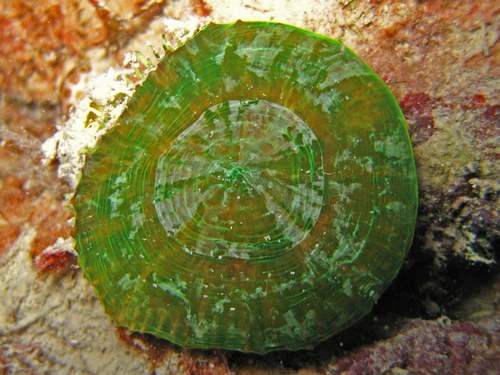
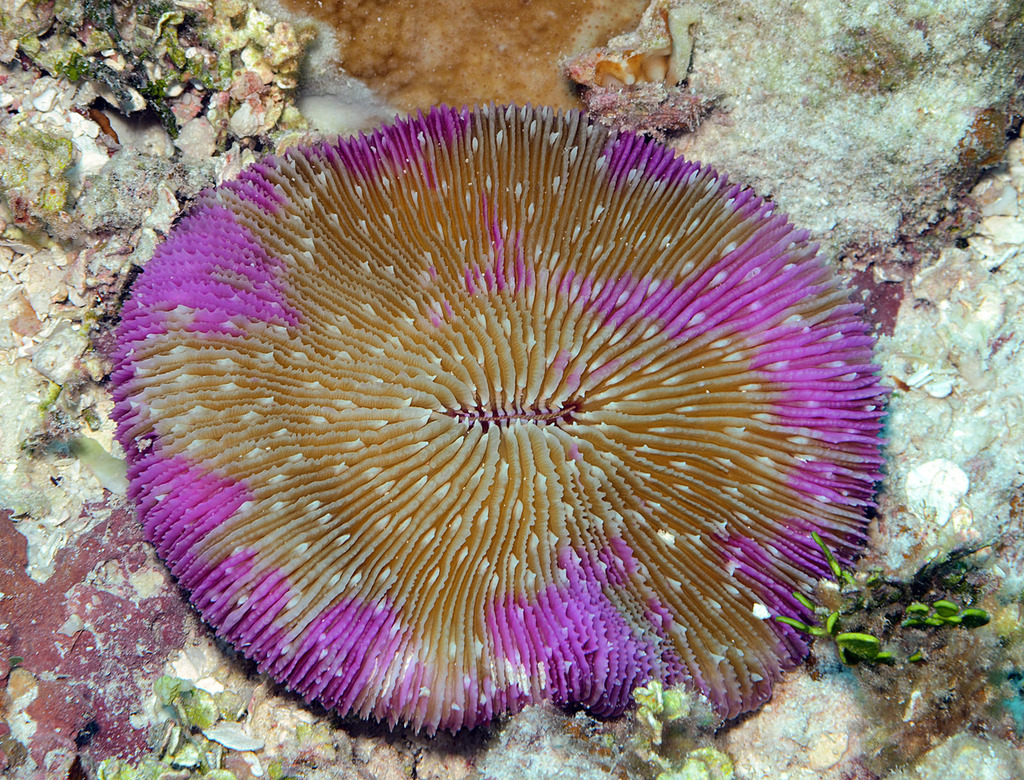
The Half Red Plate Coral (Fungia spp.) is a fascinating species belonging to the family Fungiidae, known for its distinctive plate-like structure and vibrant coloration. This coral exhibits a striking half-red appearance that adds a dynamic aesthetic to reef aquariums. Unlike many other corals, Fungia spp. is a solitary coral, which means it does not form large colonies but rather grows as individual plates. This unique growth form allows it to adapt to various marine environments, making it a popular choice among aquarists looking to create a visually appealing display.
In the wild, Half Red Plate Coral can be found in shallow waters of the Indo-Pacific region, particularly in areas with sandy substrates and moderate water movement. These corals thrive in well-lit environments, where they can utilize the energy from sunlight through their symbiotic relationship with zooxanthellae, the photosynthetic algae living within their tissues. Their ability to photosynthesize is complemented by their capacity to capture plankton and organic matter from the water column, making them versatile feeders in their natural habitat.
Behaviorally, the Half Red Plate Coral is known for its ability to retract its tentacles during the day, relying on sunlight for energy, and extending them at night to feed. This unique feeding strategy not only enhances their growth but also contributes to the overall health of the reef ecosystem by filtering out particles and providing nutrients to surrounding marine life. The coral's vibrant colors can vary based on environmental conditions, which can influence their overall health and growth.
Overall, the Half Red Plate Coral is an excellent choice for both beginner and experienced aquarists. Its unique appearance and adaptability to various water conditions make it a standout species in any marine aquarium setup, providing both aesthetic appeal and ecological benefits.
In the wild, Half Red Plate Coral can be found in shallow waters of the Indo-Pacific region, particularly in areas with sandy substrates and moderate water movement. These corals thrive in well-lit environments, where they can utilize the energy from sunlight through their symbiotic relationship with zooxanthellae, the photosynthetic algae living within their tissues. Their ability to photosynthesize is complemented by their capacity to capture plankton and organic matter from the water column, making them versatile feeders in their natural habitat.
Behaviorally, the Half Red Plate Coral is known for its ability to retract its tentacles during the day, relying on sunlight for energy, and extending them at night to feed. This unique feeding strategy not only enhances their growth but also contributes to the overall health of the reef ecosystem by filtering out particles and providing nutrients to surrounding marine life. The coral's vibrant colors can vary based on environmental conditions, which can influence their overall health and growth.
Overall, the Half Red Plate Coral is an excellent choice for both beginner and experienced aquarists. Its unique appearance and adaptability to various water conditions make it a standout species in any marine aquarium setup, providing both aesthetic appeal and ecological benefits.
To ensure the health and vitality of Half Red Plate Coral, maintain stable water parameters. Ideal temperature ranges from 24°C to 28°C, with a salinity level between 1.023 and 1.025 ppt. The pH should be kept between 8.1 and 8.4, providing a stable environment that encourages growth and vitality. Regular testing of water quality is crucial to avoid fluctuations that can stress the coral.
Feeding Half Red Plate Coral involves both light and supplemental feeding. While it primarily relies on photosynthesis, it benefits from occasional feedings of fine particulate foods or liquid coral foods, ensuring it receives necessary nutrients. Compatibility is generally high with other corals and marine life, but avoid placing it near aggressive species that may compete for space or resources.
Acclimation should be done gradually to reduce stress. Float the coral in the tank for 15-30 minutes, then slowly introduce tank water to its bag over the course of an hour. Quarantine new arrivals for at least two weeks before introducing them to the main display to prevent disease transmission. With proper care, the Half Red Plate Coral can thrive and become a centerpiece in any marine aquarium.
Feeding Half Red Plate Coral involves both light and supplemental feeding. While it primarily relies on photosynthesis, it benefits from occasional feedings of fine particulate foods or liquid coral foods, ensuring it receives necessary nutrients. Compatibility is generally high with other corals and marine life, but avoid placing it near aggressive species that may compete for space or resources.
Acclimation should be done gradually to reduce stress. Float the coral in the tank for 15-30 minutes, then slowly introduce tank water to its bag over the course of an hour. Quarantine new arrivals for at least two weeks before introducing them to the main display to prevent disease transmission. With proper care, the Half Red Plate Coral can thrive and become a centerpiece in any marine aquarium.
Half Red Plate Coral is suitable for shipping due to its hardy nature. Ensure proper packing with adequate cushioning to prevent damage during transit. Best practices include maintaining a temperature range of 20°C to 25°C during shipping. The coral should be kept in low-density packing to allow for water movement and oxygen exchange. CITES status is not applicable for this species, facilitating easier export and import.
Species Parameters
Max Adult Size
30.0 cm
Origin
Indo-Pacific
Temp Min
24.0 °C
Temp Max
28.0 °C
Salinity Min
35.000
Salinity Max
35.000
pH Min
8.10
pH Max
8.40
Min Tank
100 L