CITES App. II
Green Line Tongue Coral
Herpolitha limax
In Stock
Common stock
Maricultured
Experienced care
Reef Safe ✓
SKU: CB-HC-0096
The Green Line Tongue Coral captivates with its striking colors and unique morphology.
Pricing for Verified Importers
Log in to see wholesale prices and order.
Export Size
up to 30.0 cm
Origin
Indo-Pacific
Temperature
24.0–28.0°C
Min. Tank Size
100 L
Salinity
35.000–35.000 ppt
pH
8.10–8.40
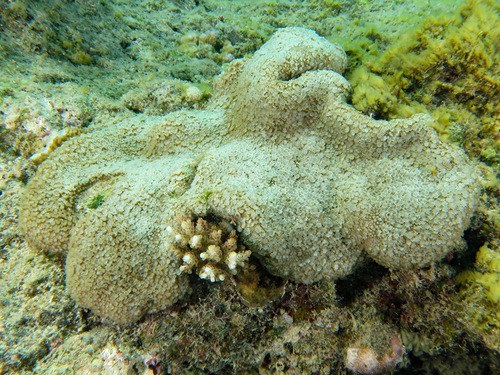
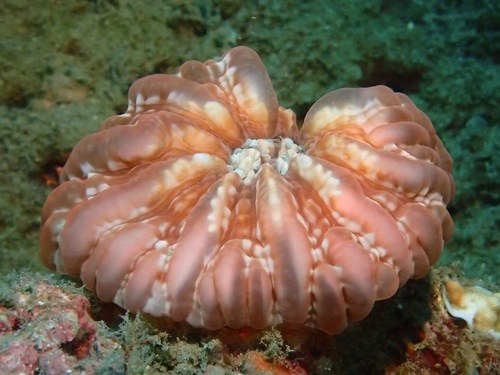
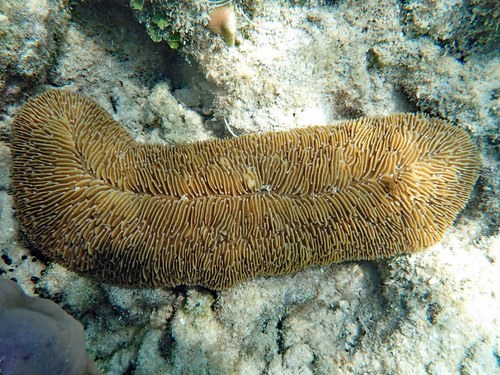
Herpolitha limax, commonly known as the Green Line Tongue Coral, is a remarkable member of the Fungiidae family. This species is characterized by its distinctive tongue-like shape and vibrant green coloration, making it a sought-after specimen for marine aquariums. Found predominantly in the reefs and lagoons of the Indo-Pacific region, this free-living coral exhibits a unique morphology that sets it apart from more traditional hard corals.
The Green Line Tongue Coral thrives in shallow waters where sunlight can penetrate easily, allowing for effective photosynthesis. It typically occupies sandy or rubble substrates, often forming small colonies that can adapt to varying environmental conditions. The coral's unique morphology not only aids in its survival but also makes it a visually appealing addition to reef ecosystems.
Behaviorally, the Green Line Tongue Coral exhibits a level of resilience and adaptability. It can tolerate fluctuations in water quality and temperature, although it prefers stable environments. This species is known for its ability to engage in symbiotic relationships with zooxanthellae, which provide it with energy through photosynthesis, highlighting the importance of light in its habitat.
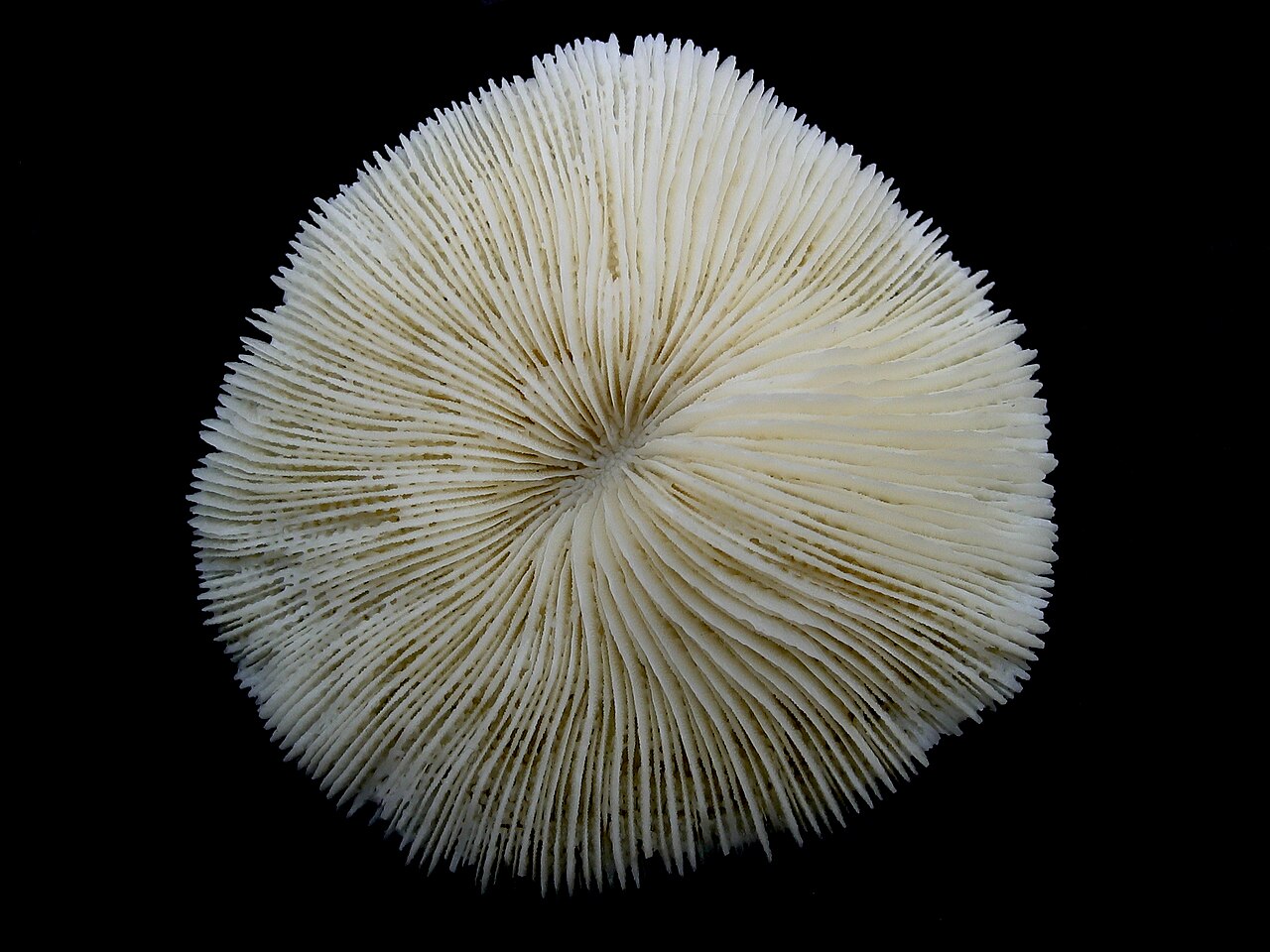
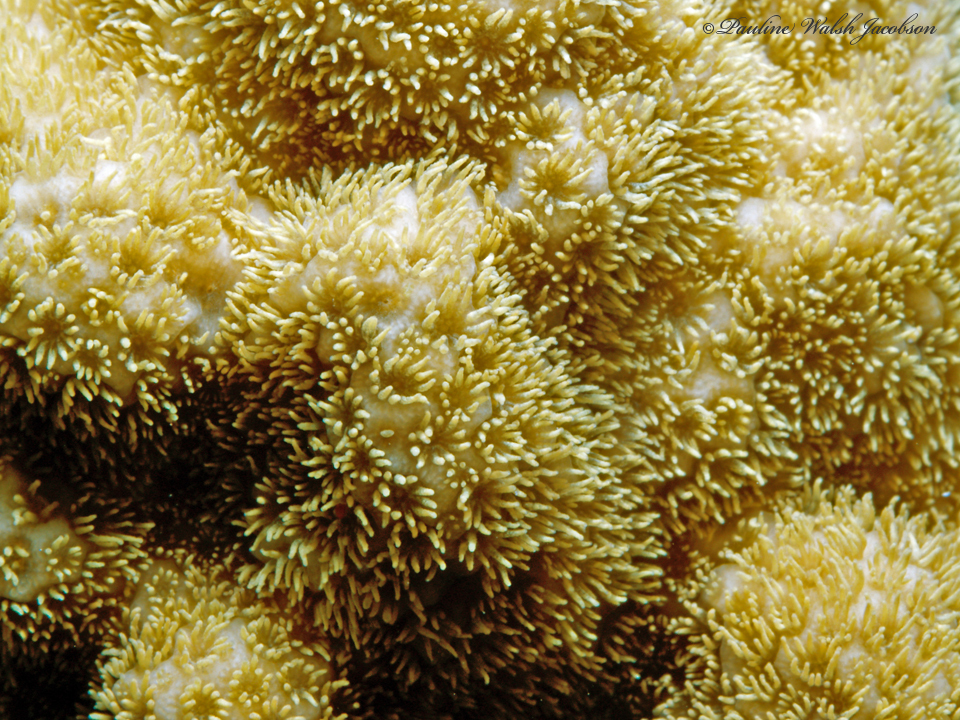
In terms of appearance, the Green Line Tongue Coral features a smooth, broad surface with distinct striations that contribute to its nickname, the striate boomerang coral. This unique texture not only enhances its visual appeal but also plays a role in its overall health, as it maximizes the coral's surface area for nutrient absorption. Overall, Herpolitha limax is a fascinating coral species that brings both beauty and ecological value to marine ecosystems.
The Green Line Tongue Coral thrives in shallow waters where sunlight can penetrate easily, allowing for effective photosynthesis. It typically occupies sandy or rubble substrates, often forming small colonies that can adapt to varying environmental conditions. The coral's unique morphology not only aids in its survival but also makes it a visually appealing addition to reef ecosystems.
Behaviorally, the Green Line Tongue Coral exhibits a level of resilience and adaptability. It can tolerate fluctuations in water quality and temperature, although it prefers stable environments. This species is known for its ability to engage in symbiotic relationships with zooxanthellae, which provide it with energy through photosynthesis, highlighting the importance of light in its habitat.
In terms of appearance, the Green Line Tongue Coral features a smooth, broad surface with distinct striations that contribute to its nickname, the striate boomerang coral. This unique texture not only enhances its visual appeal but also plays a role in its overall health, as it maximizes the coral's surface area for nutrient absorption. Overall, Herpolitha limax is a fascinating coral species that brings both beauty and ecological value to marine ecosystems.
When importing and caring for Green Line Tongue Coral, maintaining optimal water parameters is crucial. The ideal temperature range for this species is between 24°C and 28°C, with a pH level between 8.1 and 8.4. Salinity should be kept at 35 ppt for optimal health. This coral thrives in well-lit environments, so providing adequate lighting is essential for its growth and overall health.
Feeding the Green Line Tongue Coral can be achieved through supplemental feeding of marine snow or small zooplankton, although it primarily relies on photosynthesis. Compatibility with other reef inhabitants is generally good, but caution should be taken with aggressive species that may outcompete the coral for space and resources. Acclimation should be gradual to reduce stress; a drip acclimation method is recommended for best results.
Quarantine procedures are essential before introducing this coral to display tanks. This helps prevent potential diseases and pests from affecting other marine life. By ensuring the right conditions and care, the Green Line Tongue Coral can thrive in both retail and display environments, making it a valuable addition to your aquatic offerings.
Feeding the Green Line Tongue Coral can be achieved through supplemental feeding of marine snow or small zooplankton, although it primarily relies on photosynthesis. Compatibility with other reef inhabitants is generally good, but caution should be taken with aggressive species that may outcompete the coral for space and resources. Acclimation should be gradual to reduce stress; a drip acclimation method is recommended for best results.
Quarantine procedures are essential before introducing this coral to display tanks. This helps prevent potential diseases and pests from affecting other marine life. By ensuring the right conditions and care, the Green Line Tongue Coral can thrive in both retail and display environments, making it a valuable addition to your aquatic offerings.
Green Line Tongue Coral is suitable for shipping due to its robust nature. It should be packed securely with adequate water volume to maintain hydration during transit. A packing density of 1-2 specimens per liter is recommended to minimize stress. This coral is sensitive to extreme temperature changes, so maintaining a stable environment during shipping is essential. Currently, there are no CITES restrictions on this species, allowing for easier export.
Species Parameters
Max Adult Size
30.0 cm
Origin
Indo-Pacific
Temp Min
24.0 °C
Temp Max
28.0 °C
Salinity Min
35.000
Salinity Max
35.000
pH Min
8.10
pH Max
8.40
Min Tank
100 L