CITES App. II
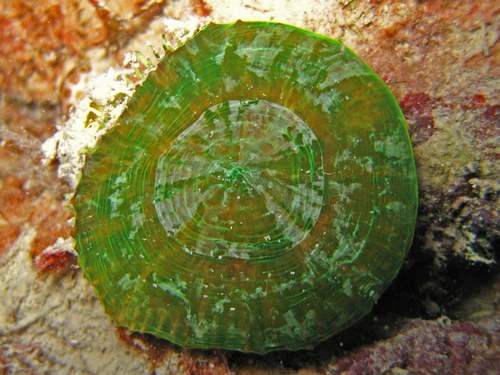
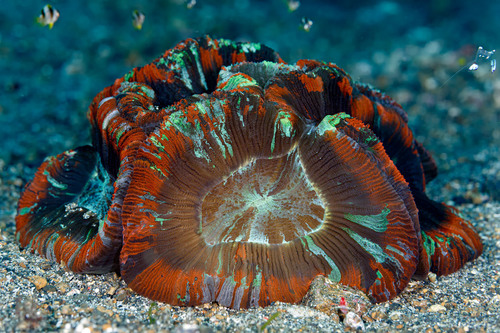
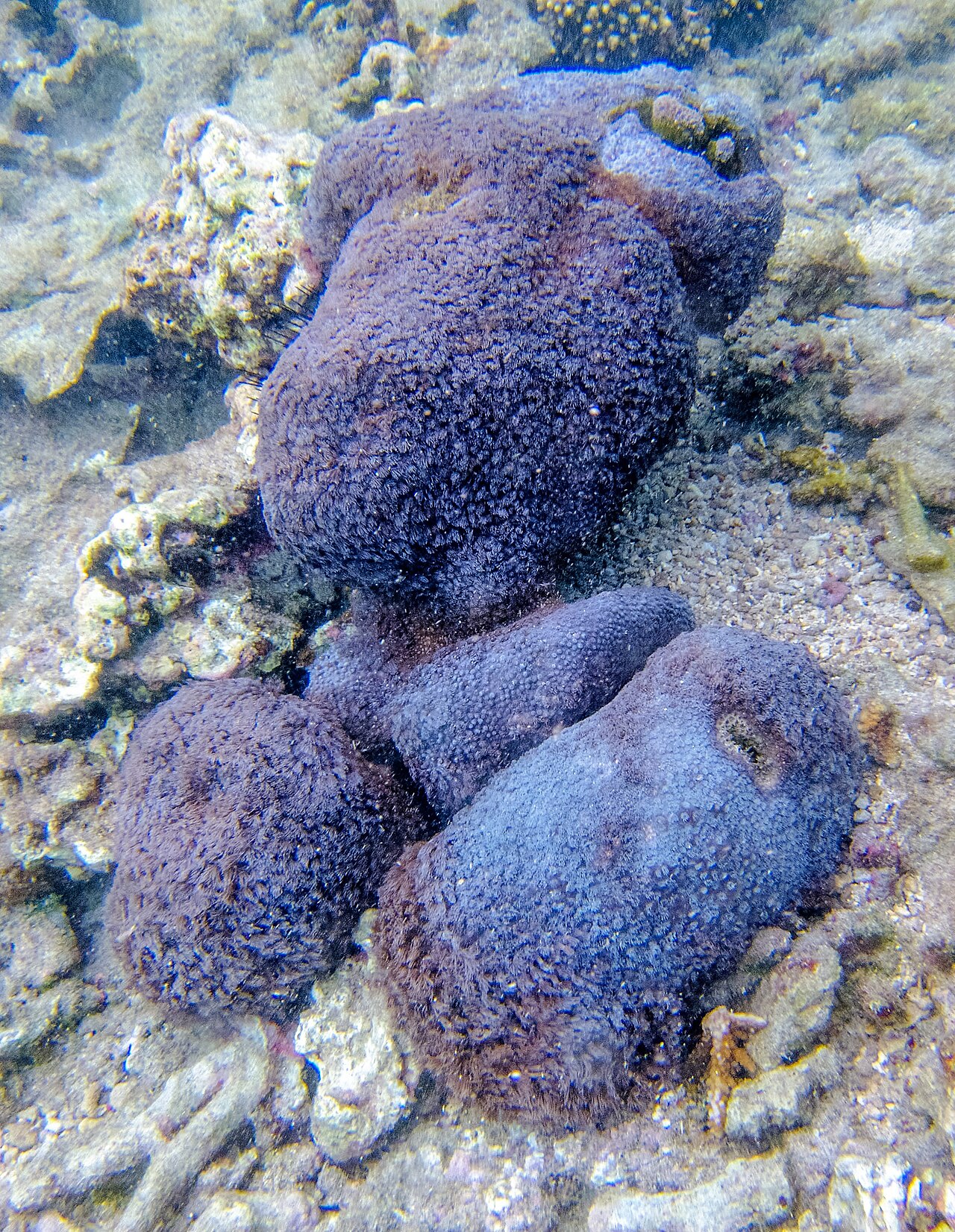
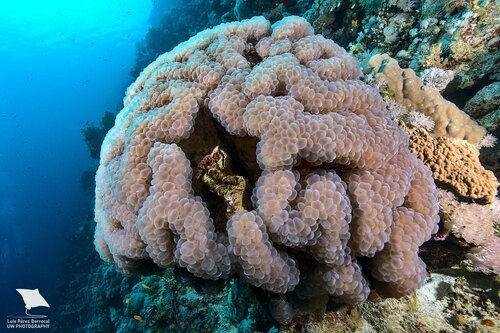
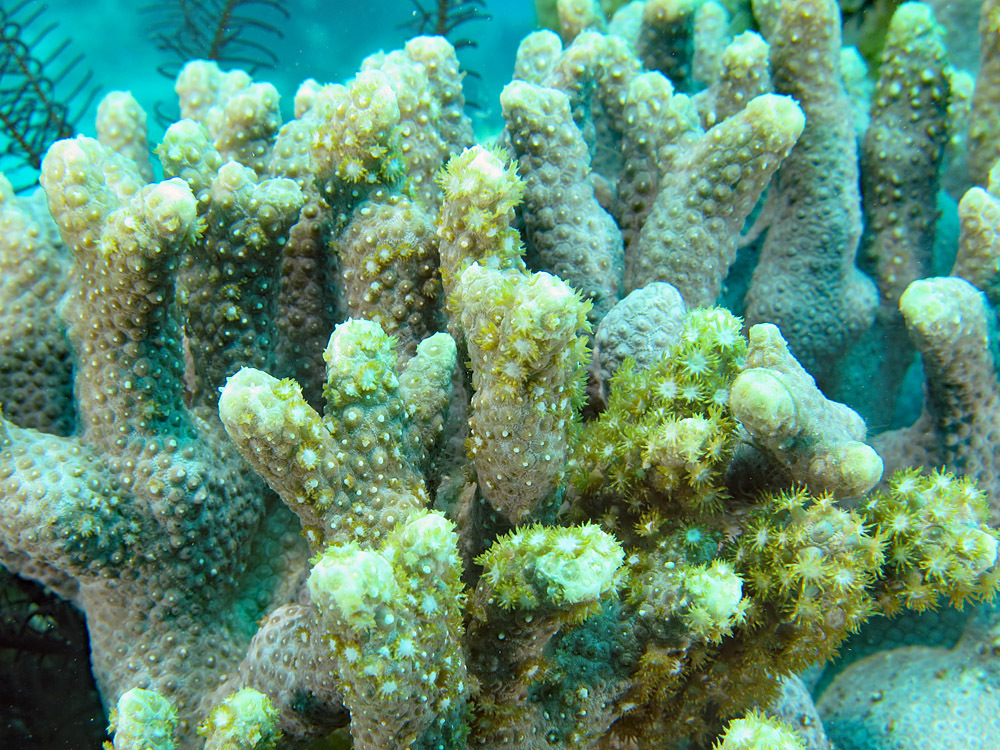
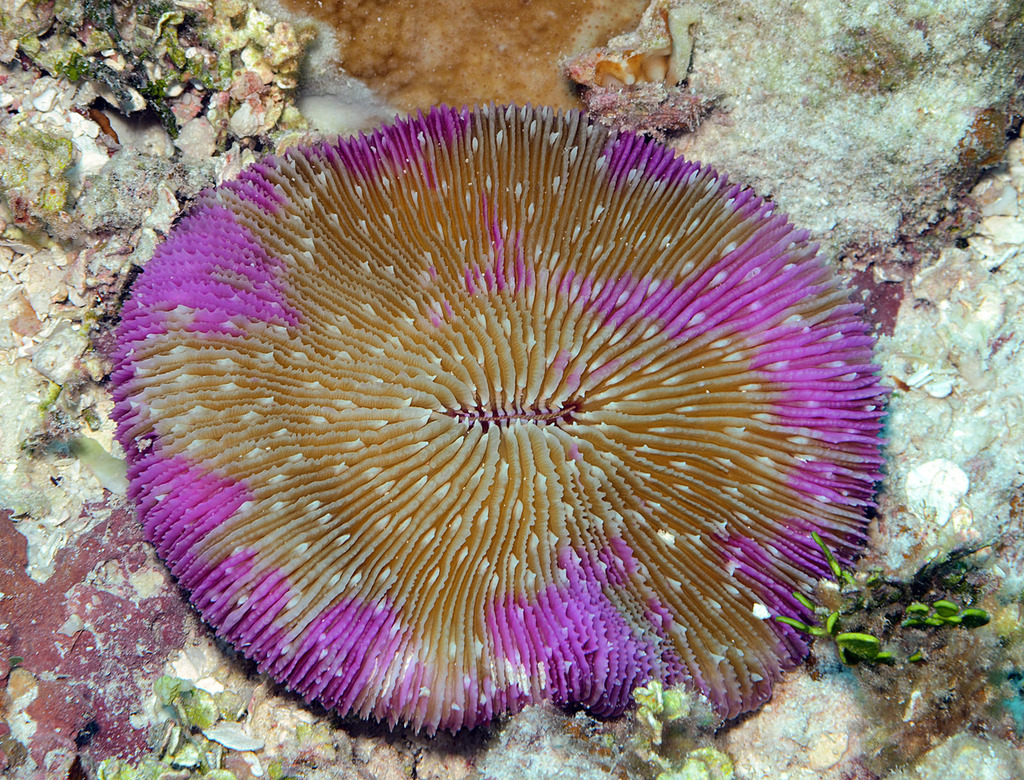
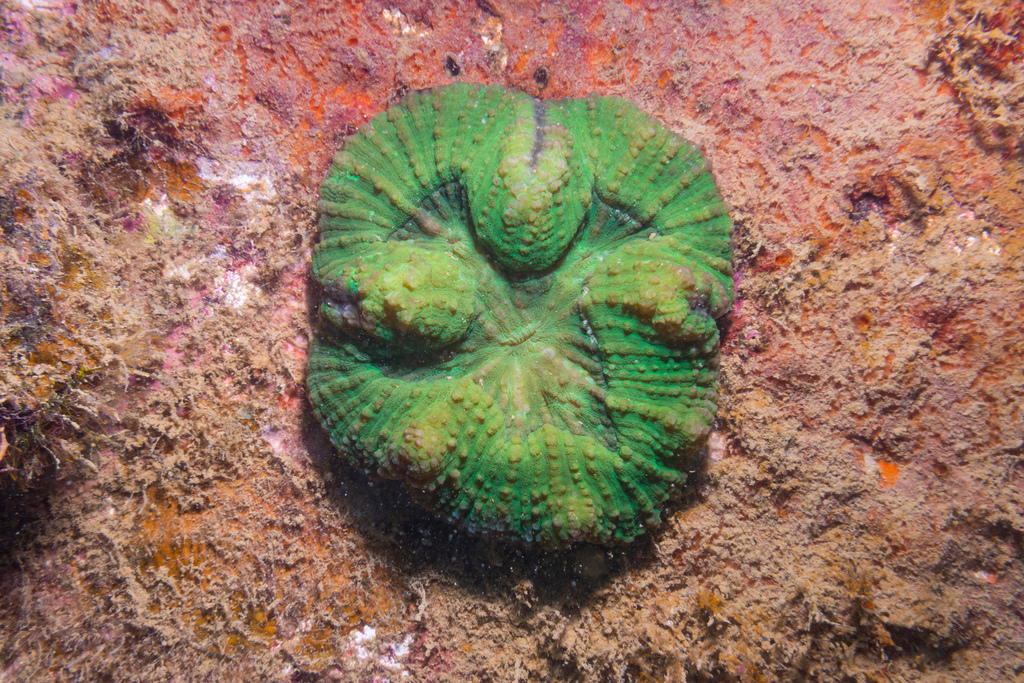
Orange Branching Meat Coral
Lobophyllia sp.
In Stock
Common stock
Maricultured
Experienced care
Reef Safe ✓
SKU: CB-HC-0044
The Orange Branching Meat Coral showcases vibrant colors and unique branching structures, enhancing any marine display.
Pricing for Verified Importers
Log in to see wholesale prices and order.
Export Size
up to 30.0 cm
Origin
Coral Triangle
Temperature
24.0–28.0°C
Min. Tank Size
200 L
Salinity
1.023–1.025 ppt
pH
8.10–8.40
Diet
carnivore
The Orange Branching Meat Coral (Lobophyllia sp.) is a striking addition to any reef aquarium, known for its vivid orange hues and intricate branching forms. This species, found primarily in the warm waters of the Coral Triangle, exhibits a unique morphology that sets it apart from other coral types, displaying both robustness and an aesthetic appeal that attracts aquarists and enthusiasts alike. Its polyps extend during the night, revealing the coral's true beauty and inviting a diverse array of marine life.
In its natural habitat, Lobophyllia sp. typically resides in shallow reef environments, where it can thrive under moderate light and water movement. This coral forms colonies that can grow quite large, providing essential habitat for various marine organisms. Its ability to adapt to varying conditions makes it a resilient choice for aquarists willing to provide the right care environment.
Behaviorally, the Orange Branching Meat Coral exhibits a degree of aggression towards neighboring corals, using its sweeper tentacles to ward off potential threats. This behavior necessitates careful placement within the aquarium to minimize aggression and ensure a harmonious environment for all inhabitants. The coral's unique feeding habits also contribute to its success; it can capture zooplankton and other small particles, supplementing its energy needs.
Overall, the Orange Branching Meat Coral is not just a beautiful coral but also a vital component of the reef ecosystem, supporting biodiversity and promoting healthy marine environments. Its presence in aquariums not only enhances visual appeal but also fosters a greater understanding of coral ecosystems.
In its natural habitat, Lobophyllia sp. typically resides in shallow reef environments, where it can thrive under moderate light and water movement. This coral forms colonies that can grow quite large, providing essential habitat for various marine organisms. Its ability to adapt to varying conditions makes it a resilient choice for aquarists willing to provide the right care environment.
Behaviorally, the Orange Branching Meat Coral exhibits a degree of aggression towards neighboring corals, using its sweeper tentacles to ward off potential threats. This behavior necessitates careful placement within the aquarium to minimize aggression and ensure a harmonious environment for all inhabitants. The coral's unique feeding habits also contribute to its success; it can capture zooplankton and other small particles, supplementing its energy needs.
Overall, the Orange Branching Meat Coral is not just a beautiful coral but also a vital component of the reef ecosystem, supporting biodiversity and promoting healthy marine environments. Its presence in aquariums not only enhances visual appeal but also fosters a greater understanding of coral ecosystems.
To maintain the health and vibrancy of Orange Branching Meat Coral, specific water parameters should be adhered to. Ideally, maintain a temperature range of 24-28°C, with salinity levels between 1.023-1.025 ppt. The pH should be kept between 8.1 and 8.4, ensuring optimal conditions for coral growth. Regular water changes and good filtration will help maintain water quality.
Feeding should include a mix of finely chopped seafood, marine gel food, and specialized coral foods that provide essential nutrients. This coral benefits from both direct feeding and the presence of zooplankton in the water column, enhancing its growth and coloration. Compatibility is crucial; while Lobophyllia sp. can coexist with many species, caution should be taken with aggressive corals to prevent territorial disputes.
Acclimation is a critical process when introducing the Orange Branching Meat Coral to a new environment. A slow acclimation method, such as drip acclimation, is recommended to minimize stress and shock. Quarantine for at least two weeks is advisable to monitor for pests or diseases that could harm the coral or other tank inhabitants. By following these guidelines, retailers and importers can ensure the health and longevity of this captivating species.
Feeding should include a mix of finely chopped seafood, marine gel food, and specialized coral foods that provide essential nutrients. This coral benefits from both direct feeding and the presence of zooplankton in the water column, enhancing its growth and coloration. Compatibility is crucial; while Lobophyllia sp. can coexist with many species, caution should be taken with aggressive corals to prevent territorial disputes.
Acclimation is a critical process when introducing the Orange Branching Meat Coral to a new environment. A slow acclimation method, such as drip acclimation, is recommended to minimize stress and shock. Quarantine for at least two weeks is advisable to monitor for pests or diseases that could harm the coral or other tank inhabitants. By following these guidelines, retailers and importers can ensure the health and longevity of this captivating species.
The Orange Branching Meat Coral is suitable for shipping due to its hardy nature. It should be packed securely in a temperature-controlled environment to prevent stress during transit. It is advisable to maintain a packing density that allows for adequate water circulation and light exposure. This species is sensitive to extreme temperature fluctuations, so monitoring is essential. Currently, Lobophyllia sp. is not listed under CITES, simplifying export regulations.
Species Parameters
Max Adult Size
30.0 cm
Origin
Coral Triangle
Diet
carnivore
Temp Min
24.0 °C
Temp Max
28.0 °C
Salinity Min
1.023
Salinity Max
1.025
pH Min
8.10
pH Max
8.40
Min Tank
200 L