CITES App. II
Orange Ring Plate Coral
Fungia spp.
In Stock
Common stock
Maricultured
Experienced care
Reef Safe ✓
SKU: CB-HC-0062
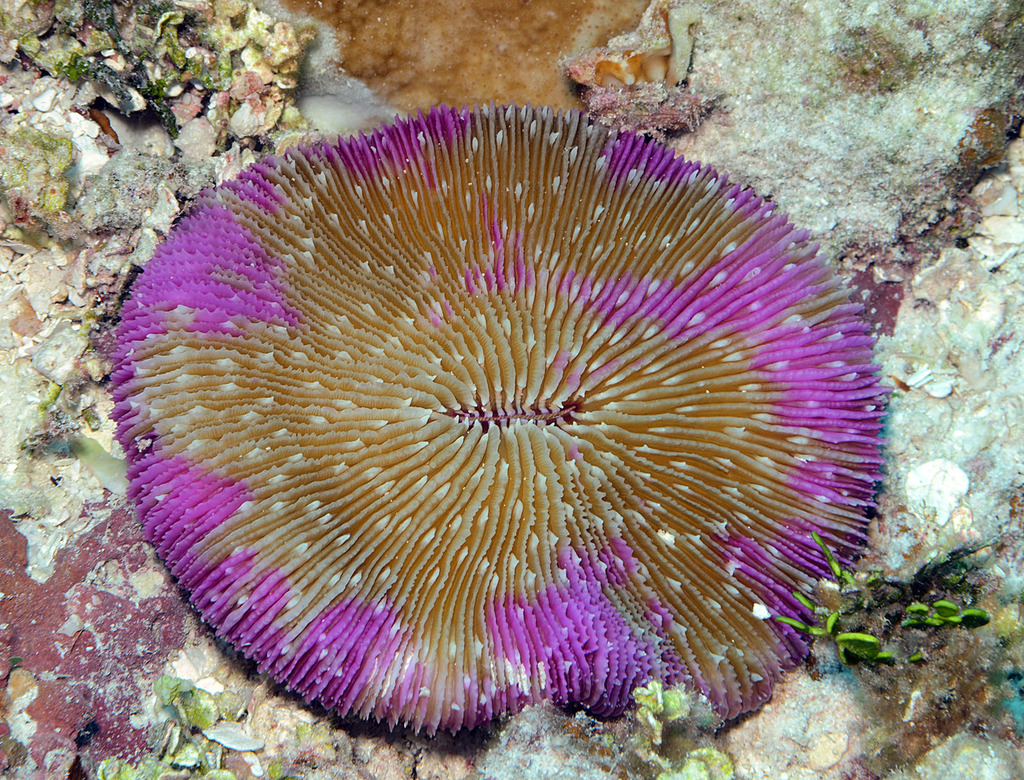
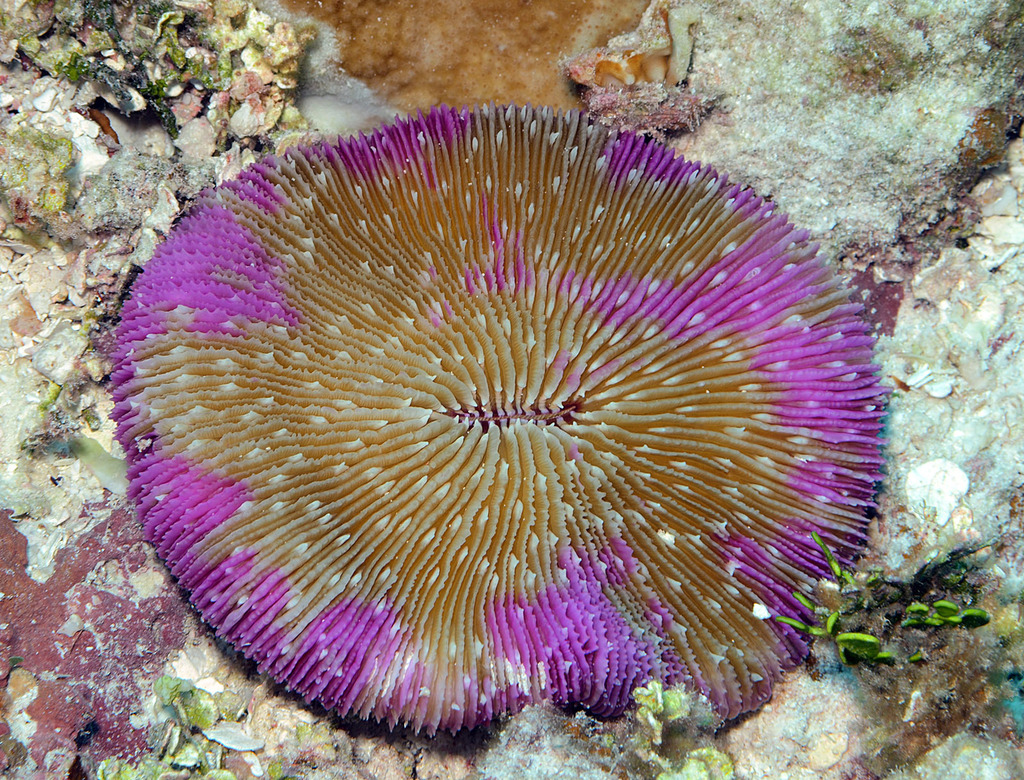
The Orange Ring Plate Coral (Fungia spp.) is a striking addition to any reef aquarium, known for its vibrant colors and unique shape.
Pricing for Verified Importers
Log in to see wholesale prices and order.
Export Size
up to 30.0 cm
Origin
Indo-Pacific
Temperature
24.0–28.0°C
Min. Tank Size
100 L
Salinity
1.023–1.025 ppt
pH
8.10–8.40
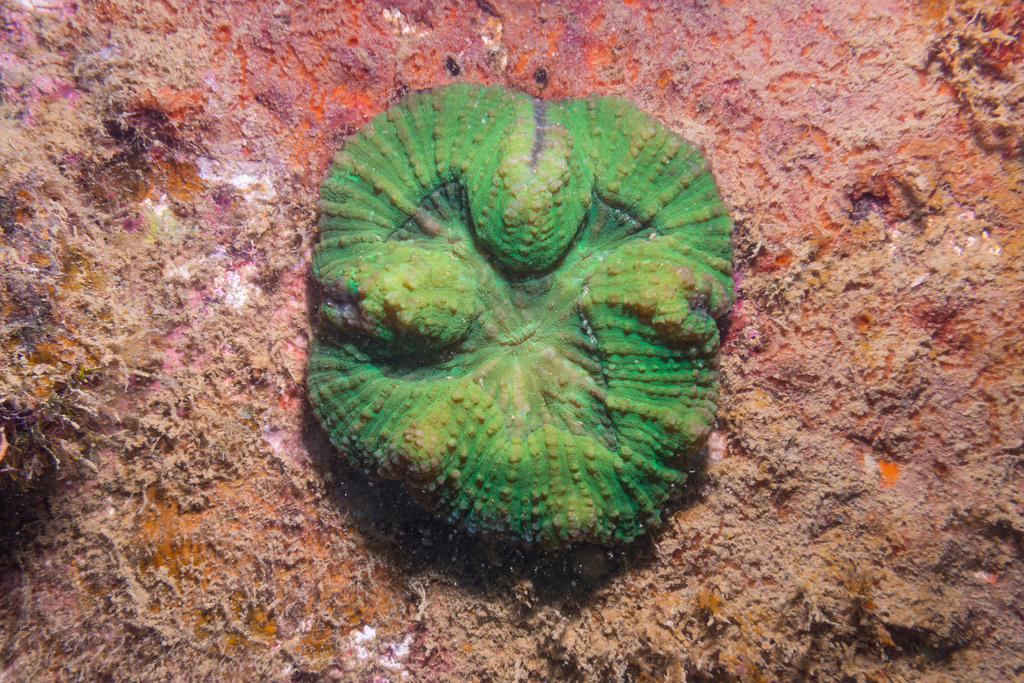
The Orange Ring Plate Coral (Fungia spp.) is a solitary, free-living coral species that belongs to the family Fungiidae. It is predominantly found in the shallow waters of the Indo-Pacific region, particularly around coral reefs where it thrives on sandy substrates. This species exhibits a distinctive morphology characterized by a flattened, disk-like shape, which can reach up to 30 cm in diameter. The surface of the coral is adorned with a stunning array of colors, primarily vibrant orange with contrasting patterns, making it a highly sought-after specimen for both aquarists and collectors.
Fungia spp. corals are known for their unique feeding habits. They are primarily nocturnal feeders, extending their tentacles at night to capture plankton and small organisms drifting in the water column. During the day, they rely on photosynthesis, utilizing symbiotic zooxanthellae within their tissues to convert sunlight into energy. This dual feeding strategy allows them to thrive in various environments, contributing to their resilience in the wild.
In terms of behavior, the Orange Ring Plate Coral is relatively peaceful and can coexist with other coral species, provided they are not aggressive. Their ability to expand and contract allows them to adapt to changing water conditions, and they can even move slightly to find optimal light and food sources. This adaptability makes them an excellent choice for aquarists looking to create a dynamic and visually appealing reef setup.
The habitat of the Orange Ring Plate Coral is predominantly in shallow lagoons and reef flats where they can receive ample light and nutrients. They prefer stable water conditions with moderate water flow, which helps facilitate their feeding and enhances their coloration. As a result, they are often found in areas with rich biodiversity, benefiting from the ecological interactions within the reef system.
Fungia spp. corals are known for their unique feeding habits. They are primarily nocturnal feeders, extending their tentacles at night to capture plankton and small organisms drifting in the water column. During the day, they rely on photosynthesis, utilizing symbiotic zooxanthellae within their tissues to convert sunlight into energy. This dual feeding strategy allows them to thrive in various environments, contributing to their resilience in the wild.
In terms of behavior, the Orange Ring Plate Coral is relatively peaceful and can coexist with other coral species, provided they are not aggressive. Their ability to expand and contract allows them to adapt to changing water conditions, and they can even move slightly to find optimal light and food sources. This adaptability makes them an excellent choice for aquarists looking to create a dynamic and visually appealing reef setup.
The habitat of the Orange Ring Plate Coral is predominantly in shallow lagoons and reef flats where they can receive ample light and nutrients. They prefer stable water conditions with moderate water flow, which helps facilitate their feeding and enhances their coloration. As a result, they are often found in areas with rich biodiversity, benefiting from the ecological interactions within the reef system.
When caring for Orange Ring Plate Coral (Fungia spp.) in a captive environment, maintaining optimal water parameters is crucial. Ideal temperature ranges from 24°C to 28°C, with salinity levels between 1.023 and 1.025 ppt. The pH should be maintained between 8.1 and 8.4 to ensure healthy growth and coloration. Regular water testing is recommended to monitor these parameters closely.
Feeding practices for Fungia spp. involve both direct feedings and allowing for photosynthesis. Aquarists should provide a varied diet, including zooplankton, phytoplankton, and specialized coral foods. It is essential to feed them during the evening when they extend their tentacles for optimal feeding. Compatibility within the tank is generally good, but caution should be taken to avoid placing them near aggressive corals that may outcompete them for space and resources.
Acclimation is critical for new specimens; a slow drip acclimation method over several hours is recommended to reduce stress. Quarantine of new arrivals for at least two weeks is also advisable to monitor for any potential pests or diseases before introducing them to the main display tank. This careful approach not only promotes the health of the Orange Ring Plate Coral but also enhances the overall stability of the aquarium ecosystem.
Feeding practices for Fungia spp. involve both direct feedings and allowing for photosynthesis. Aquarists should provide a varied diet, including zooplankton, phytoplankton, and specialized coral foods. It is essential to feed them during the evening when they extend their tentacles for optimal feeding. Compatibility within the tank is generally good, but caution should be taken to avoid placing them near aggressive corals that may outcompete them for space and resources.
Acclimation is critical for new specimens; a slow drip acclimation method over several hours is recommended to reduce stress. Quarantine of new arrivals for at least two weeks is also advisable to monitor for any potential pests or diseases before introducing them to the main display tank. This careful approach not only promotes the health of the Orange Ring Plate Coral but also enhances the overall stability of the aquarium ecosystem.
The Orange Ring Plate Coral is well-suited for shipping, provided proper care is taken during transit. Packing density should be moderate to prevent damage, with sufficient water to maintain hydration. Temperature sensitivity is a key consideration; it is best to ship at stable temperatures between 24°C and 26°C to minimize stress. This species is not listed under CITES, making it easier for exporters to handle logistics.
Species Parameters
Max Adult Size
30.0 cm
Origin
Indo-Pacific
Temp Min
24.0 °C
Temp Max
28.0 °C
Salinity Min
1.023
Salinity Max
1.025
pH Min
8.10
pH Max
8.40
Min Tank
100 L