CITES App. II
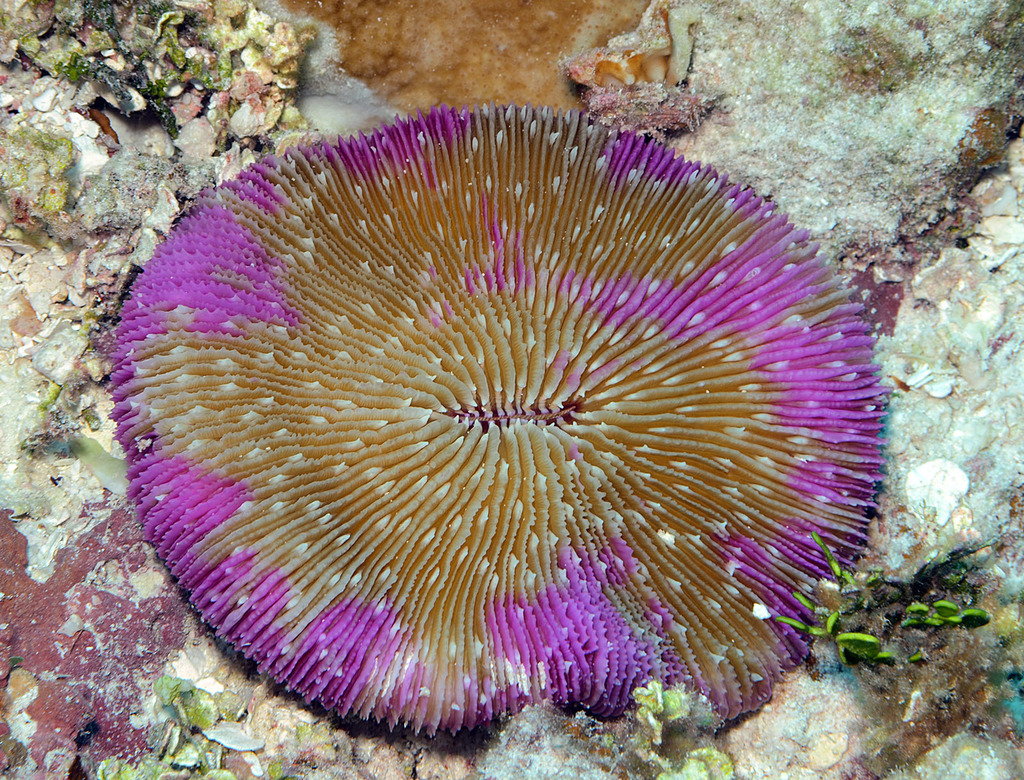
Red Metalic Brain Coral M Brain flat bottom Wellso Red Metalic M
Wellsophyllia radiata
In Stock
Common stock
Aquacultured
Easy care
Reef Safe ✓
SKU: CRWELLredm
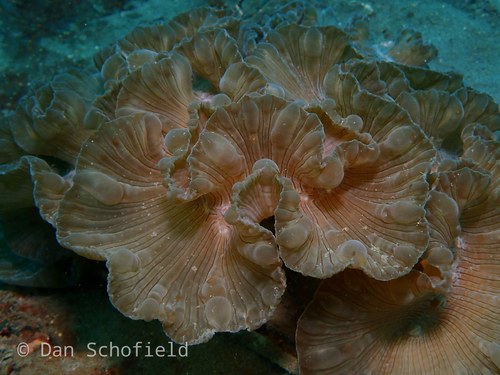
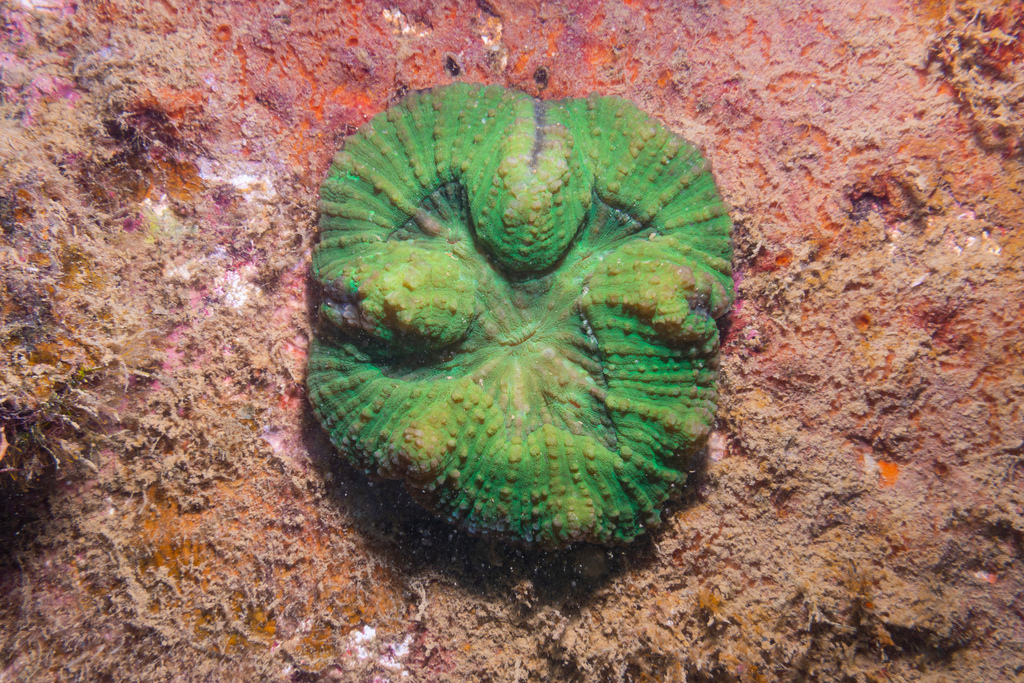
The Red Metalic Brain Coral captivates with its vibrant colors and unique structure.
Pricing for Verified Importers
Log in to see wholesale prices and order.
Export Size
up to 30.0 cm
Origin
Indo-Pacific
Temperature
24.0–28.0°C
Min. Tank Size
100 L
Salinity
1.020–1.025 ppt
pH
8.10–8.40
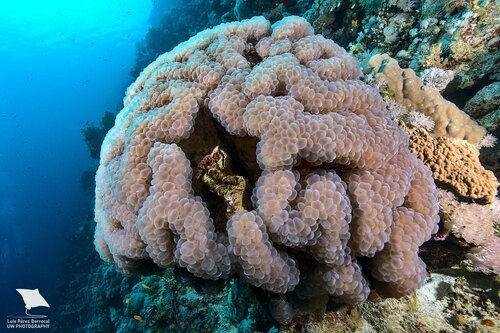
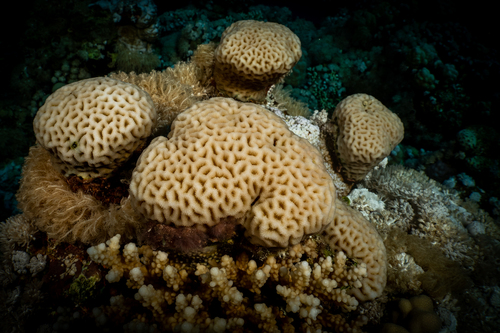
Wellsophyllia radiata, commonly known as the Red Metalic Brain Coral, is a stunning species of coral that is easily recognized by its distinctive brain-like structure and bright coloration. This free-living coral belongs to the family Merulinidae and is primarily found in the warm waters of the Indo-Pacific region. The coral's intricate patterns and hues make it a popular choice for marine aquarium enthusiasts and collectors alike.
In its natural habitat, the Red Metalic Brain Coral thrives on coral reefs, often found in shallow waters where it can receive ample sunlight. This species is known for its ability to adapt to various environmental conditions, which allows it to flourish in diverse reef ecosystems. The coral's polyps extend during the night, capturing plankton and small organic particles, showcasing its dual role as both a photosynthetic organism and a filter feeder.
The bright colors of this coral can vary from deep reds to vibrant oranges, making it an eye-catching addition to any aquarium. Its unique shape and texture provide a striking contrast to other coral species and marine life, enhancing the overall aesthetic of the reef tank. The Red Metalic Brain Coral is also known for its resilience, making it a favored choice among aquarists seeking to create a dynamic and colorful aquatic environment.
In addition to its beauty, the Red Metalic Brain Coral plays a vital role in the health of coral reef ecosystems. It contributes to the structural complexity of reefs, providing habitat for various marine organisms and supporting biodiversity. As a species, it embodies the delicate balance of life found in coral reef environments, making it essential for the conservation and appreciation of marine ecosystems.
In its natural habitat, the Red Metalic Brain Coral thrives on coral reefs, often found in shallow waters where it can receive ample sunlight. This species is known for its ability to adapt to various environmental conditions, which allows it to flourish in diverse reef ecosystems. The coral's polyps extend during the night, capturing plankton and small organic particles, showcasing its dual role as both a photosynthetic organism and a filter feeder.
The bright colors of this coral can vary from deep reds to vibrant oranges, making it an eye-catching addition to any aquarium. Its unique shape and texture provide a striking contrast to other coral species and marine life, enhancing the overall aesthetic of the reef tank. The Red Metalic Brain Coral is also known for its resilience, making it a favored choice among aquarists seeking to create a dynamic and colorful aquatic environment.
In addition to its beauty, the Red Metalic Brain Coral plays a vital role in the health of coral reef ecosystems. It contributes to the structural complexity of reefs, providing habitat for various marine organisms and supporting biodiversity. As a species, it embodies the delicate balance of life found in coral reef environments, making it essential for the conservation and appreciation of marine ecosystems.
For successful cultivation of Wellsophyllia radiata, maintaining stable water parameters is crucial. The ideal temperature range is between 24°C to 28°C, with a salinity of 1.020 to 1.025 ppt. The pH should be maintained between 8.1 and 8.4 to support the coral's health and growth. Adequate lighting should be provided, ideally moderate to high, to promote photosynthesis while avoiding direct intense light that could stress the coral.
Feeding the Red Metalic Brain Coral involves a combination of light and supplemental feeding. While it primarily relies on photosynthesis from zooxanthellae, it benefits from the addition of plankton and coral-specific foods during the evening hours when its polyps are extended. It's essential to monitor water quality regularly and perform routine water changes to maintain optimal conditions.
In terms of compatibility, this species can coexist with various reef-safe fish and invertebrates but should be placed away from aggressive corals that may compete for space and resources. Acclimation should be conducted slowly, allowing the coral to adjust to new water conditions without shock. Quarantine is recommended for newly acquired specimens to prevent the introduction of pests and diseases into established aquariums.
Feeding the Red Metalic Brain Coral involves a combination of light and supplemental feeding. While it primarily relies on photosynthesis from zooxanthellae, it benefits from the addition of plankton and coral-specific foods during the evening hours when its polyps are extended. It's essential to monitor water quality regularly and perform routine water changes to maintain optimal conditions.
In terms of compatibility, this species can coexist with various reef-safe fish and invertebrates but should be placed away from aggressive corals that may compete for space and resources. Acclimation should be conducted slowly, allowing the coral to adjust to new water conditions without shock. Quarantine is recommended for newly acquired specimens to prevent the introduction of pests and diseases into established aquariums.
The Red Metalic Brain Coral is well-suited for shipping due to its hardy nature. It should be packed in a secure container with adequate water and cushioning to prevent damage during transit. Optimal packing density should be maintained to allow for water circulation. This species is sensitive to temperature fluctuations; therefore, maintaining a stable range between 24°C and 28°C during shipping is essential. Currently, there are no CITES restrictions for Wellsophyllia radiata, making it easier for exporters and importers to facilitate trade.
Species Parameters
Max Adult Size
30.0 cm
Origin
Indo-Pacific
Habitat
reef
Temp Min
24.0 °C
Temp Max
28.0 °C
Salinity Min
1.020
Salinity Max
1.025
pH Min
8.10
pH Max
8.40
Min Tank
100 L