CITES App. II
Palu Plate Coral
Fungia spp.
In Stock
Common stock
Maricultured
Experienced care
Reef Safe ✓
SKU: CB-HC-0065
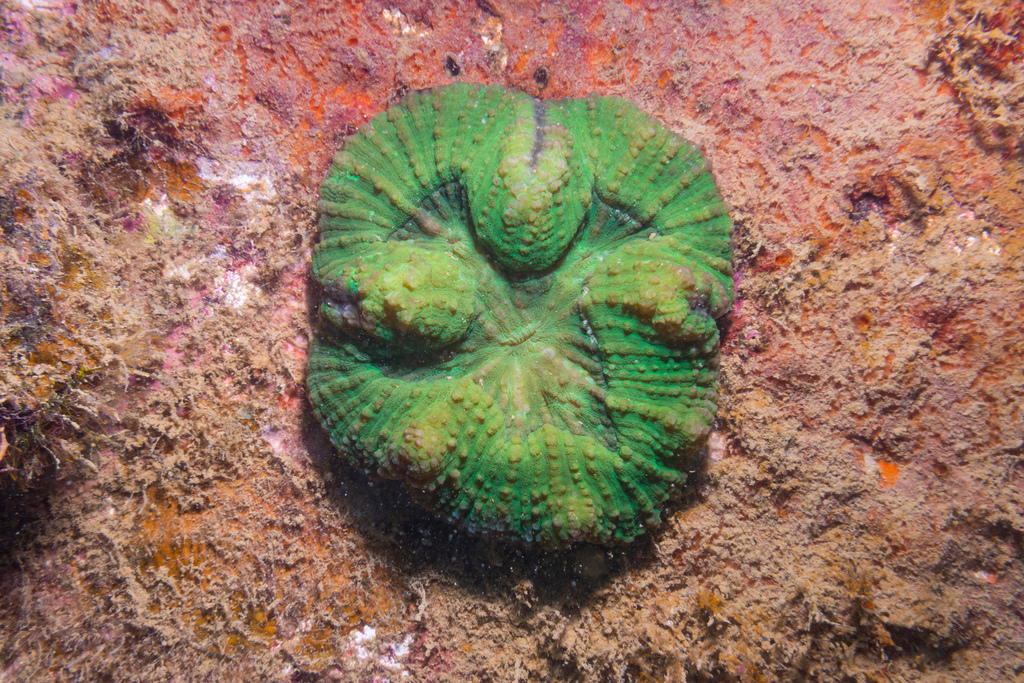
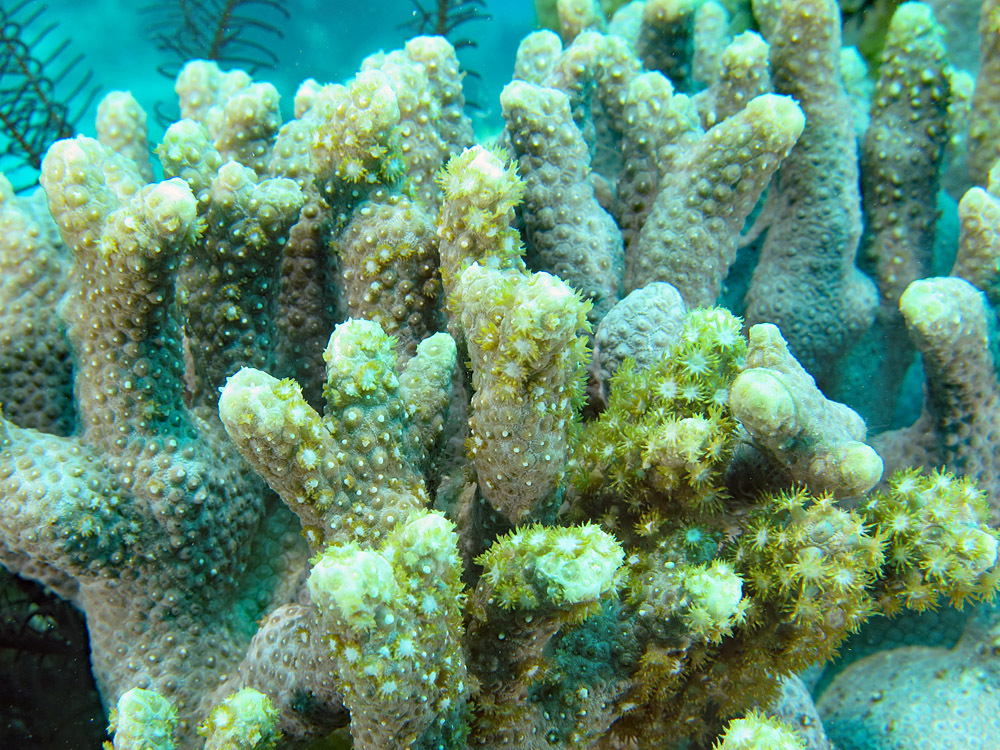
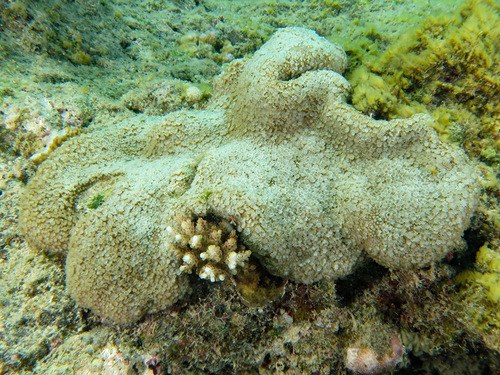
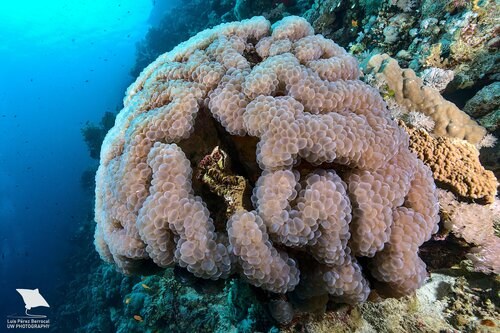
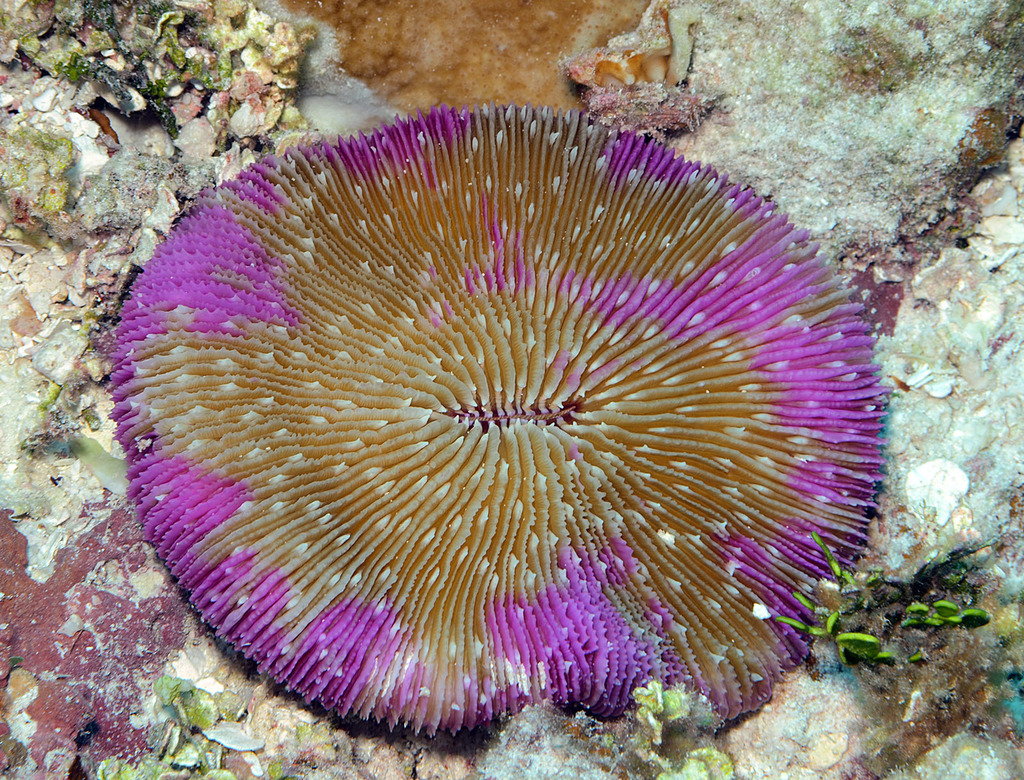
Palu Plate Coral showcases stunning colors and unique plate-like structure, making it a prized addition for aquarists.
Pricing for Verified Importers
Log in to see wholesale prices and order.
Export Size
up to 30.0 cm
Origin
Coral Triangle
Temperature
24.0–28.0°C
Min. Tank Size
150 L
Salinity
32.000–35.000 ppt
pH
8.10–8.40
The Palu Plate Coral, scientifically known as Fungia spp., is a captivating coral species found predominantly in the shallow waters of the Coral Triangle, particularly around Bali, Indonesia. This coral is known for its distinctive plate-like structure and vibrant coloration, which can range from deep greens to vivid purples and oranges. Unlike many corals, Palu Plate Coral is a solitary species, usually found resting on sandy substrates rather than forming large colonies. This unique growth form allows it to thrive in various reef environments.
In terms of natural history, Fungia spp. is a member of the Fungiidae family, which is characterized by its ability to adapt to different light and water conditions. It primarily relies on photosynthesis, utilizing the symbiotic relationship with zooxanthellae algae for energy. Additionally, it can capture small planktonic organisms, supplementing its diet. The behavior of this coral is fascinating; it exhibits a degree of movement to optimize light absorption and can retract its tentacles during the night for protection.
Palu Plate Coral typically inhabits shallow lagoons and sandy areas, where it benefits from ample sunlight and nutrient availability. Its adaptability to various environments makes it a resilient species, capable of surviving in less-than-ideal conditions. However, it is still sensitive to pollution and habitat degradation, underscoring the importance of sustainable practices in coral harvesting and aquaculture.
This coral not only adds aesthetic value to aquariums but also plays a crucial role in marine ecosystems, providing habitat for various marine organisms. Its unique characteristics and ecological significance make it a sought-after species for both hobbyists and commercial aquarists alike.
In terms of natural history, Fungia spp. is a member of the Fungiidae family, which is characterized by its ability to adapt to different light and water conditions. It primarily relies on photosynthesis, utilizing the symbiotic relationship with zooxanthellae algae for energy. Additionally, it can capture small planktonic organisms, supplementing its diet. The behavior of this coral is fascinating; it exhibits a degree of movement to optimize light absorption and can retract its tentacles during the night for protection.
Palu Plate Coral typically inhabits shallow lagoons and sandy areas, where it benefits from ample sunlight and nutrient availability. Its adaptability to various environments makes it a resilient species, capable of surviving in less-than-ideal conditions. However, it is still sensitive to pollution and habitat degradation, underscoring the importance of sustainable practices in coral harvesting and aquaculture.
This coral not only adds aesthetic value to aquariums but also plays a crucial role in marine ecosystems, providing habitat for various marine organisms. Its unique characteristics and ecological significance make it a sought-after species for both hobbyists and commercial aquarists alike.
When importing and caring for Palu Plate Coral, maintaining optimal water parameters is crucial for its health. The ideal temperature range is between 24°C to 28°C, with a salinity of 32-35 ppt. The pH level should be maintained between 8.1 and 8.4 to ensure proper metabolic functioning. A minimum tank size of 150 liters is recommended to provide ample space for growth and stability.
Feeding Palu Plate Coral involves a combination of light and organic matter. While it primarily relies on photosynthesis through its symbiotic algae, supplemental feeding with fine particulate foods or liquid coral foods can enhance its growth and color. Compatibility with other marine species is generally good, but caution should be exercised with aggressive tankmates that may harm this delicate coral.
Acclimation is critical when introducing Palu Plate Coral to a new environment. A slow acclimation process over a few hours is recommended to prevent shock. Quarantine is also advised before adding it to a display tank, especially if sourced from wild populations, to monitor for any pests or diseases. Regular monitoring of water quality and parameters will help ensure the long-term health of this stunning coral.
Feeding Palu Plate Coral involves a combination of light and organic matter. While it primarily relies on photosynthesis through its symbiotic algae, supplemental feeding with fine particulate foods or liquid coral foods can enhance its growth and color. Compatibility with other marine species is generally good, but caution should be exercised with aggressive tankmates that may harm this delicate coral.
Acclimation is critical when introducing Palu Plate Coral to a new environment. A slow acclimation process over a few hours is recommended to prevent shock. Quarantine is also advised before adding it to a display tank, especially if sourced from wild populations, to monitor for any pests or diseases. Regular monitoring of water quality and parameters will help ensure the long-term health of this stunning coral.
Palu Plate Coral is generally suitable for shipping due to its hardy nature, but careful packing is essential. Use insulated containers with adequate water volume to maintain temperature stability. The ideal shipping temperature is between 24°C and 28°C. A packing density of one coral per container is recommended to avoid damage. Currently, Fungia spp. is not listed under CITES, simplifying export regulations.
Species Parameters
Max Adult Size
30.0 cm
Origin
Coral Triangle
Temp Min
24.0 °C
Temp Max
28.0 °C
Salinity Min
32.000
Salinity Max
35.000
pH Min
8.10
pH Max
8.40
Min Tank
150 L