CITES App. II
Red Metalic Lemon Coral Long polyps
Goniopora sp.
In Stock
Common stock
Maricultured
Experienced care
Reef Safe ✓
SKU: CB-HC-0080
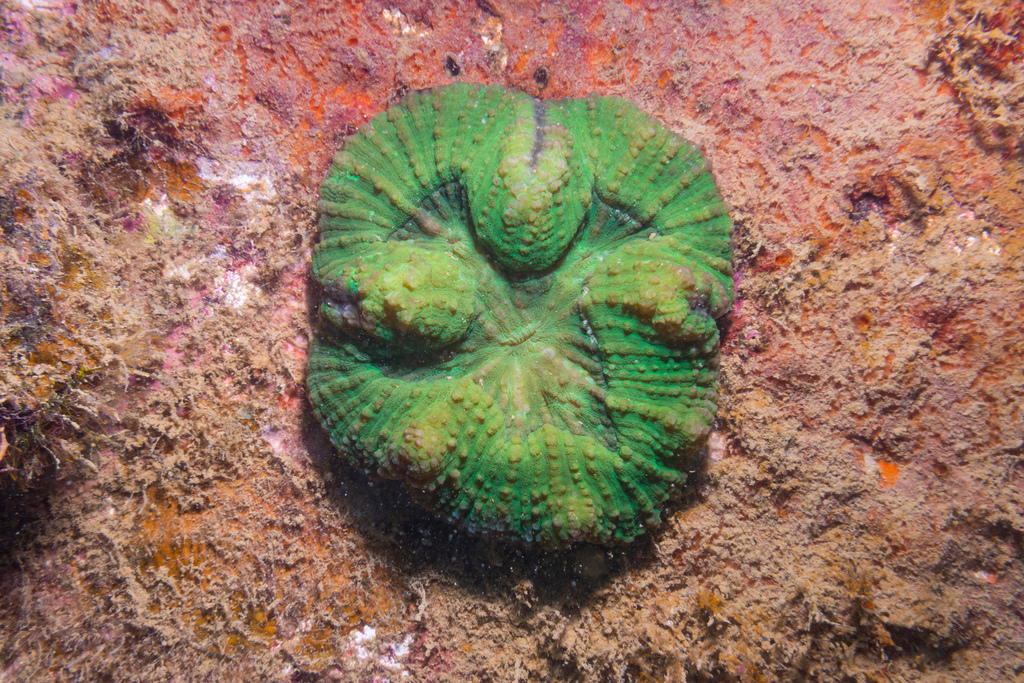
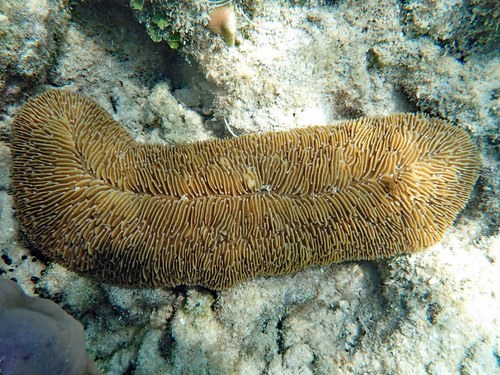
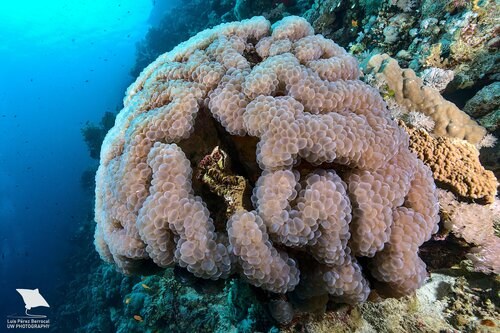
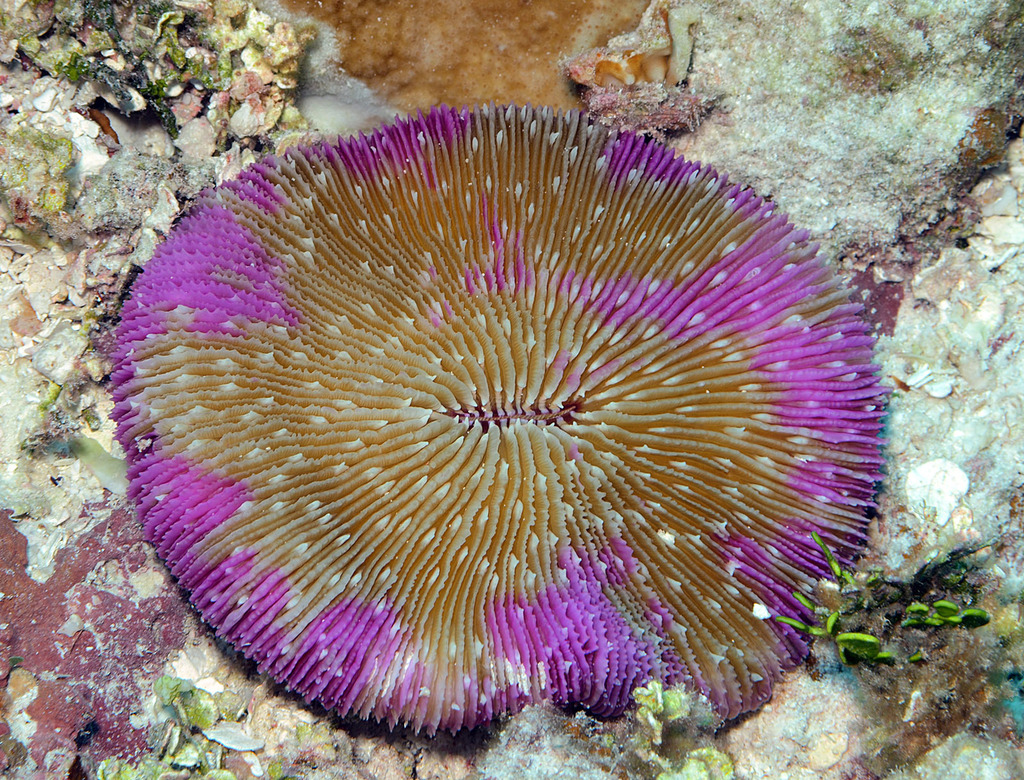
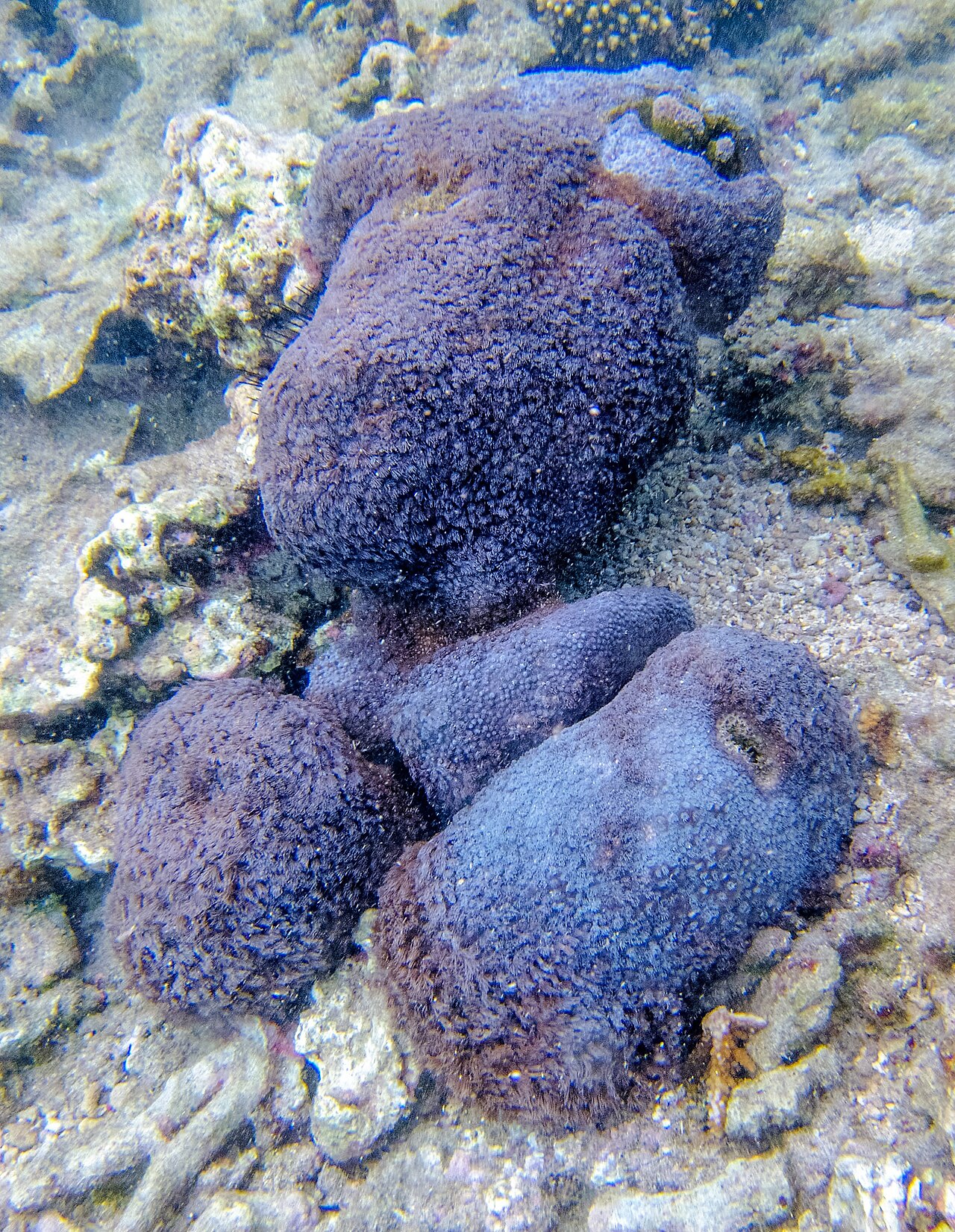
The Red Metallic Lemon Coral Long Polyps (Goniopora sp.) captivates with its vibrant colors and unique polyp structure.
Pricing for Verified Importers
Log in to see wholesale prices and order.
Export Size
up to 30.0 cm
Origin
Coral Triangle
Temperature
24.0–28.0°C
Min. Tank Size
200 L
Salinity
35.000–35.000 ppt
pH
8.00–8.40
Goniopora sp., commonly known as the Red Metallic Lemon Coral Long Polyps, is a stunning coral species native to the coral-rich waters of the Coral Triangle, particularly around Bali, Indonesia. This species is distinguished by its striking metallic red and yellow hues, which enhance its visual appeal in reef aquariums. The long, flowing polyps create a mesmerizing movement that adds dynamic beauty to underwater landscapes. Additionally, this coral plays a vital role in its ecosystem by providing habitat and shelter for various marine organisms.
In terms of natural history, Goniopora sp. thrives in shallow waters where light penetration is optimal for its photosynthetic zooxanthellae. It typically grows in colonies, forming large, bushy structures that can reach significant sizes. The coral's polyps extend during the day, feeding on plankton and organic matter while also relying on sunlight for energy through photosynthesis. This dual feeding strategy allows it to adapt to varying environmental conditions.
Behaviorally, Goniopora sp. is relatively peaceful, making it suitable for mixed reef tanks. However, it does require ample space as its long polyps can extend several inches, which may lead to competition with nearby corals. In their natural habitat, these corals often coexist with a variety of marine life, which can enhance their resilience against environmental stressors.
The habitat of the Red Metallic Lemon Coral Long Polyps is typically characterized by clear, warm waters with stable temperatures and moderate water movement. This species prefers to settle on rocky substrates, where it can anchor securely and flourish. Its presence is an indicator of a healthy reef ecosystem, making it a valuable addition to any aquatic display.
In terms of natural history, Goniopora sp. thrives in shallow waters where light penetration is optimal for its photosynthetic zooxanthellae. It typically grows in colonies, forming large, bushy structures that can reach significant sizes. The coral's polyps extend during the day, feeding on plankton and organic matter while also relying on sunlight for energy through photosynthesis. This dual feeding strategy allows it to adapt to varying environmental conditions.
Behaviorally, Goniopora sp. is relatively peaceful, making it suitable for mixed reef tanks. However, it does require ample space as its long polyps can extend several inches, which may lead to competition with nearby corals. In their natural habitat, these corals often coexist with a variety of marine life, which can enhance their resilience against environmental stressors.
The habitat of the Red Metallic Lemon Coral Long Polyps is typically characterized by clear, warm waters with stable temperatures and moderate water movement. This species prefers to settle on rocky substrates, where it can anchor securely and flourish. Its presence is an indicator of a healthy reef ecosystem, making it a valuable addition to any aquatic display.
For successful cultivation of Goniopora sp., maintain stable water parameters: temperature between 24-28°C, salinity around 1.023-1.025 ppt, and pH levels between 8.0 and 8.4. Regular monitoring is essential, as fluctuations can stress the coral. The Red Metallic Lemon Coral is primarily photosynthetic but benefits from supplemental feeding; provide microplankton or coral-specific foods 2-3 times a week to promote growth and health.
When introducing Goniopora sp. to a new aquarium, ensure a gradual acclimation process to minimize shock. Float the coral in the aquarium for 15-30 minutes to equalize temperatures, then introduce it slowly while monitoring for signs of stress. Quarantine new specimens for at least 2 weeks to prevent the introduction of pests or diseases.
Compatibility is generally good, but avoid placing Goniopora sp. next to aggressive corals, as its long polyps can be susceptible to stinging. Provide adequate spacing and consider the overall tank dynamics to ensure a harmonious environment. Regular maintenance, including water changes and cleaning, will further support the health of this beautiful coral.
When introducing Goniopora sp. to a new aquarium, ensure a gradual acclimation process to minimize shock. Float the coral in the aquarium for 15-30 minutes to equalize temperatures, then introduce it slowly while monitoring for signs of stress. Quarantine new specimens for at least 2 weeks to prevent the introduction of pests or diseases.
Compatibility is generally good, but avoid placing Goniopora sp. next to aggressive corals, as its long polyps can be susceptible to stinging. Provide adequate spacing and consider the overall tank dynamics to ensure a harmonious environment. Regular maintenance, including water changes and cleaning, will further support the health of this beautiful coral.
Goniopora sp. is suitable for shipping under controlled conditions. Pack corals securely with adequate water and cushioning to prevent damage. Ideal shipping temperatures range from 24-28°C to minimize stress. Limit packing density to avoid crushing the polyps. This species is not listed under CITES, making export regulations straightforward.
Species Parameters
Max Adult Size
30.0 cm
Origin
Coral Triangle
Temp Min
24.0 °C
Temp Max
28.0 °C
Salinity Min
35.000
Salinity Max
35.000
pH Min
8.00
pH Max
8.40
Min Tank
200 L