
CITES App. II
Red Pipe Coral
Tubipora musica
In Stock
Common stock
Maricultured
Experienced care
Reef Safe ✓
SKU: CB-HC-0128
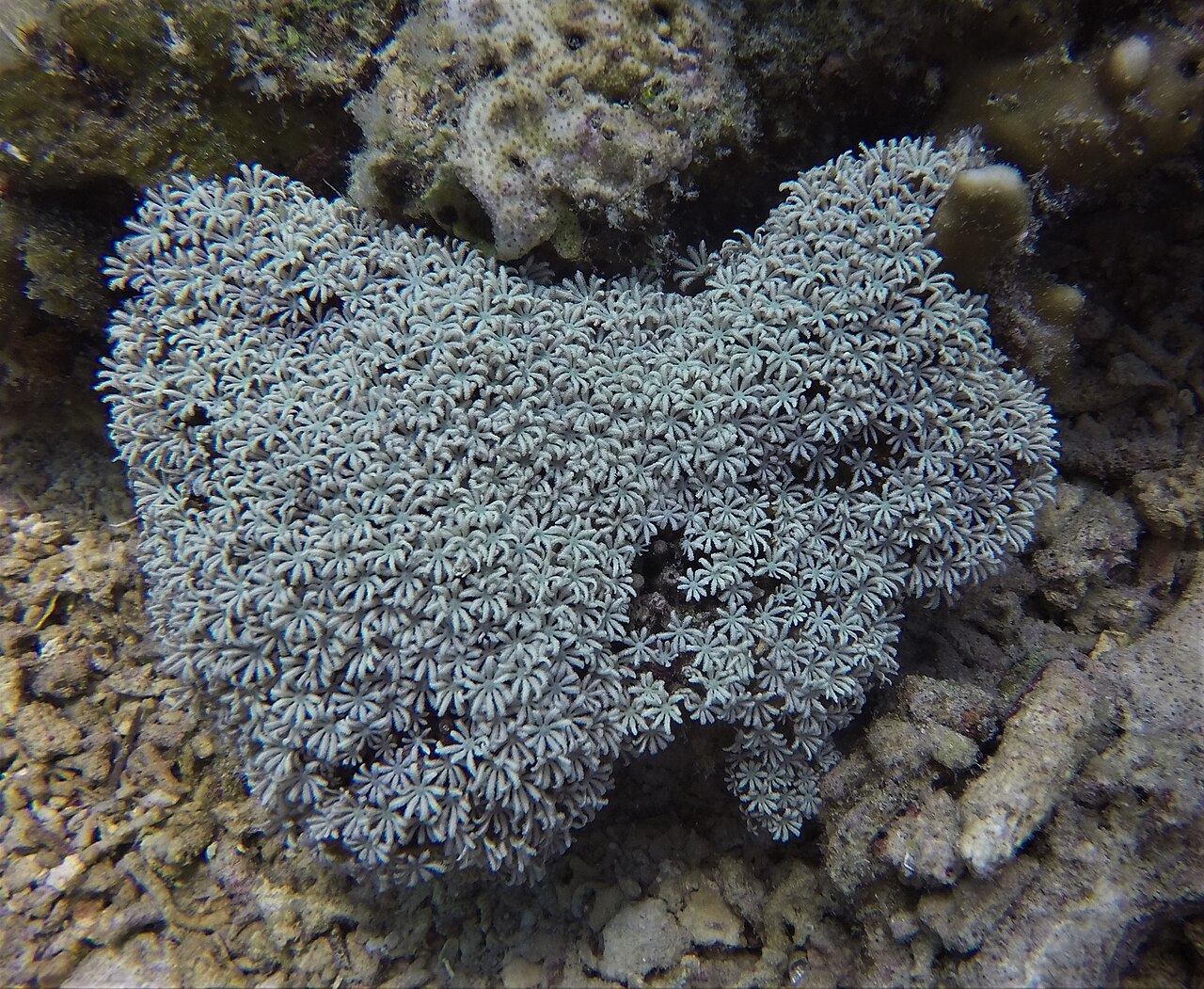
The Red Pipe Coral dazzles with its striking red skeleton and vibrant polyp colors, making it a unique addition to any aquarium.
Pricing for Verified Importers
Log in to see wholesale prices and order.
Export Size
up to 300.0 cm
Origin
Indo-Pacific
Temperature
24.0–28.0°C
Min. Tank Size
150 L
Salinity
20.000–25.000 ppt
pH
8.10–8.40
Red Pipe Coral (Tubipora musica) is a fascinating species of soft coral that can be found in the warm waters of the Indian Ocean and the central and western Pacific Ocean. This unique coral is known for its hard skeleton, composed of calcium carbonate, which forms numerous organ pipe-like structures. Each tube houses a series of polyps with eight feather-like tentacles, which are typically extended during the day to capture plankton and other nutrients from the water. The vibrant red skeleton is often hidden beneath the colorful polyps, which can appear green, blue, or purple, depending on their expansion and health.
These corals usually form dome-shaped colonies that can grow to impressive sizes, reaching up to 3 meters (9.8 feet) across. They thrive in a variety of reef environments, often found in shallow waters where they can benefit from ample sunlight. The colonies are not only visually stunning but also play a vital role in the ecosystem, providing habitat and shelter for various marine organisms. Their unique structure and vibrant colors make them a popular choice among aquarium enthusiasts and professionals alike.
In terms of behavior, Red Pipe Coral is relatively sensitive to disturbances. The polyps will quickly retract when threatened, showcasing their defense mechanism against potential predators. This characteristic requires careful handling during collection and transport, ensuring their survival and health during export.
Overall, the Red Pipe Coral is not only a beautiful addition to any marine collection but also an essential component of its natural habitat. Its unique structure and vibrant appearance make it a sought-after species for both aquarists and marine enthusiasts.
These corals usually form dome-shaped colonies that can grow to impressive sizes, reaching up to 3 meters (9.8 feet) across. They thrive in a variety of reef environments, often found in shallow waters where they can benefit from ample sunlight. The colonies are not only visually stunning but also play a vital role in the ecosystem, providing habitat and shelter for various marine organisms. Their unique structure and vibrant colors make them a popular choice among aquarium enthusiasts and professionals alike.
In terms of behavior, Red Pipe Coral is relatively sensitive to disturbances. The polyps will quickly retract when threatened, showcasing their defense mechanism against potential predators. This characteristic requires careful handling during collection and transport, ensuring their survival and health during export.
Overall, the Red Pipe Coral is not only a beautiful addition to any marine collection but also an essential component of its natural habitat. Its unique structure and vibrant appearance make it a sought-after species for both aquarists and marine enthusiasts.
To successfully care for Red Pipe Coral, it is essential to maintain stable water parameters. The ideal temperature range is between 24-28°C (75-82°F), with a salinity of 1.020 to 1.025 ppt. The pH should be kept within 8.1 to 8.4 for optimal growth and health. Providing adequate lighting is crucial, as this coral benefits from moderate to high light levels, which help enhance the colors of the polyps.
Feeding Red Pipe Coral can be done through a combination of direct feeding and water column feeding. They thrive on plankton, zooplankton, and other small particles, so regular additions of liquid coral foods can be beneficial. Compatibility with other aquarium inhabitants is generally good, but care should be taken to avoid aggressive species that may harm the coral.
Acclimation is vital when introducing Red Pipe Coral to a new environment. A slow acclimation process over several hours is recommended to reduce stress. Quarantine procedures should also be followed to prevent the introduction of pests or diseases. Regular monitoring of water quality and coral health will help ensure a thriving specimen in your aquarium.
Feeding Red Pipe Coral can be done through a combination of direct feeding and water column feeding. They thrive on plankton, zooplankton, and other small particles, so regular additions of liquid coral foods can be beneficial. Compatibility with other aquarium inhabitants is generally good, but care should be taken to avoid aggressive species that may harm the coral.
Acclimation is vital when introducing Red Pipe Coral to a new environment. A slow acclimation process over several hours is recommended to reduce stress. Quarantine procedures should also be followed to prevent the introduction of pests or diseases. Regular monitoring of water quality and coral health will help ensure a thriving specimen in your aquarium.
Red Pipe Coral is suitable for shipping, but special care must be taken during transport. They should be packed with sufficient water and cushioning to prevent damage to the delicate polyps. Ideal shipping conditions include maintaining a temperature range of 20-25°C (68-77°F). The coral is not listed under CITES, making it easier for export; however, compliance with local regulations is necessary.
Species Parameters
Max Adult Size
300.0 cm
Origin
Indo-Pacific
Temp Min
24.0 °C
Temp Max
28.0 °C
Salinity Min
20.000
Salinity Max
25.000
pH Min
8.10
pH Max
8.40
Min Tank
150 L
More from this Category
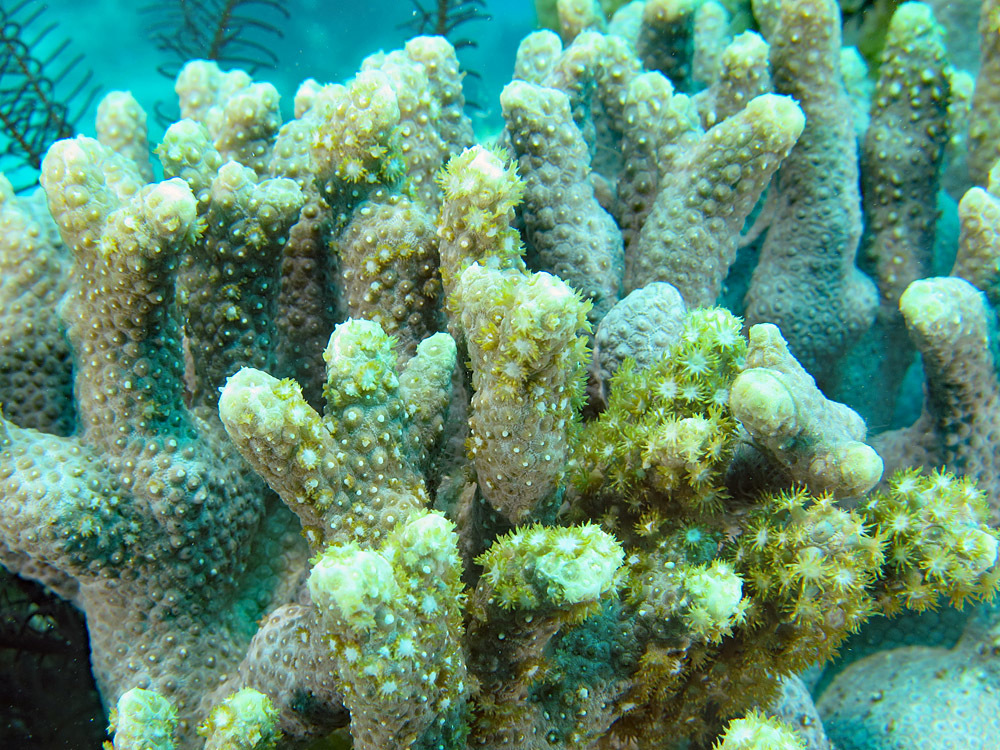
Photo credits
Photo 1
Reference living Tubipora musica with expanded white/cream polyps covering its red skeleton; not offered stock or a size, locality or genotype guarantee. Existing source rendition downloaded unchanged; no local edits.
Photo: Mudasir Zainuddin · Tubipora musica in the coral midle.jpg · CC BY-SA 4.0