CITES App. II
Red Pipe Coral (Green Polyp)
Tubipora musica
In Stock
Common stock
Maricultured
Experienced care
Reef Safe ✓
SKU: CB-HC-0129
The Red Pipe Coral features stunning colors and unique organ pipe-like structures, making it a captivating addition to any aquarium.
Pricing for Verified Importers
Log in to see wholesale prices and order.
Export Size
up to 300.0 cm
Origin
Indo-Pacific
Temperature
24.0–28.0°C
Min. Tank Size
200 L
Salinity
33.000–35.000 ppt
pH
8.10–8.40
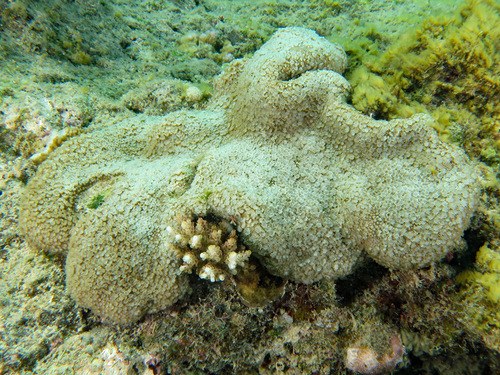
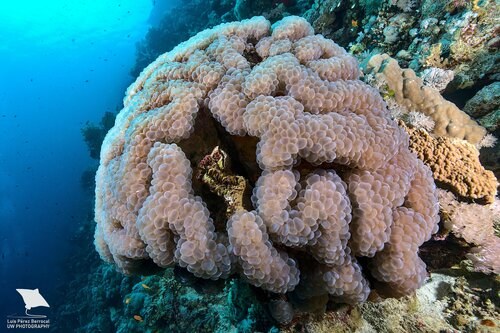
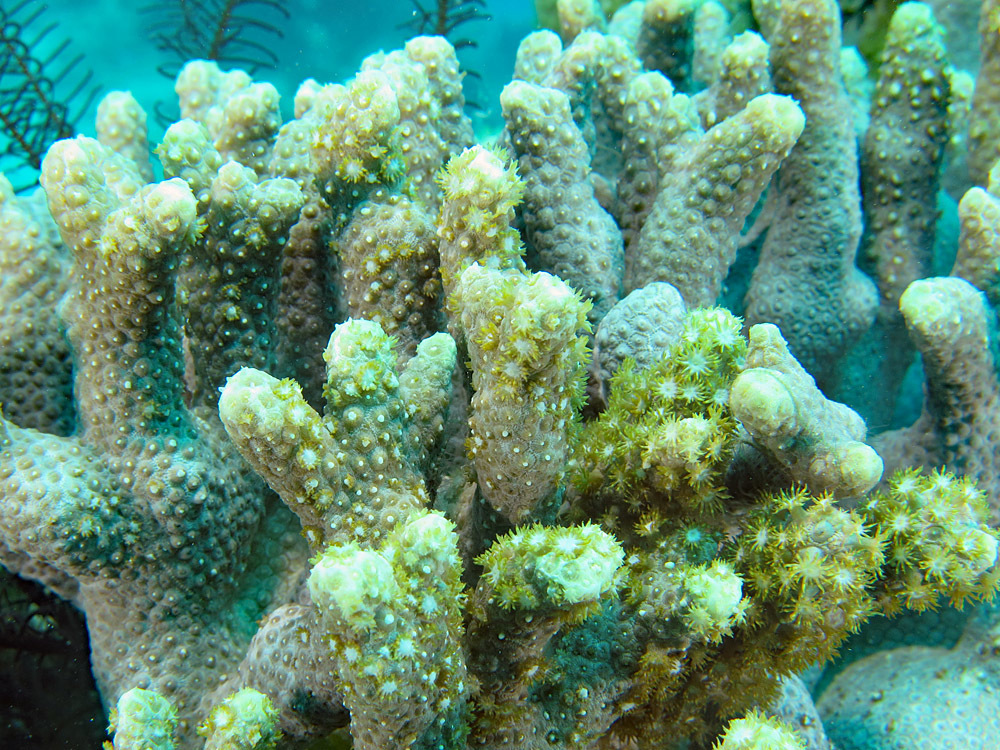
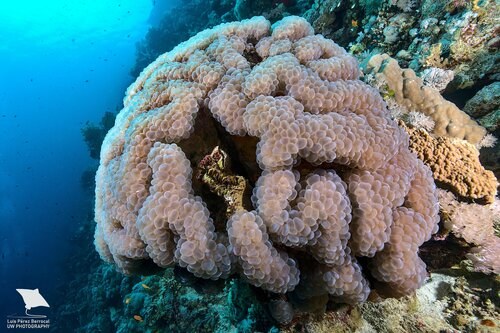
The Red Pipe Coral, scientifically known as Tubipora musica, is a fascinating species of soft coral native to the Indian Ocean and the central and western Pacific Ocean. This sole representative of its genus is distinguished by its unique hard skeleton composed of calcium carbonate, which takes the form of numerous organ pipe-like tubes. Each tube houses a series of polyps that display eight feather-like tentacles, typically extended during daylight hours to capture plankton and nutrients from the water column. When disturbed, these polyps can quickly retract, showcasing their ability to protect themselves from potential threats.
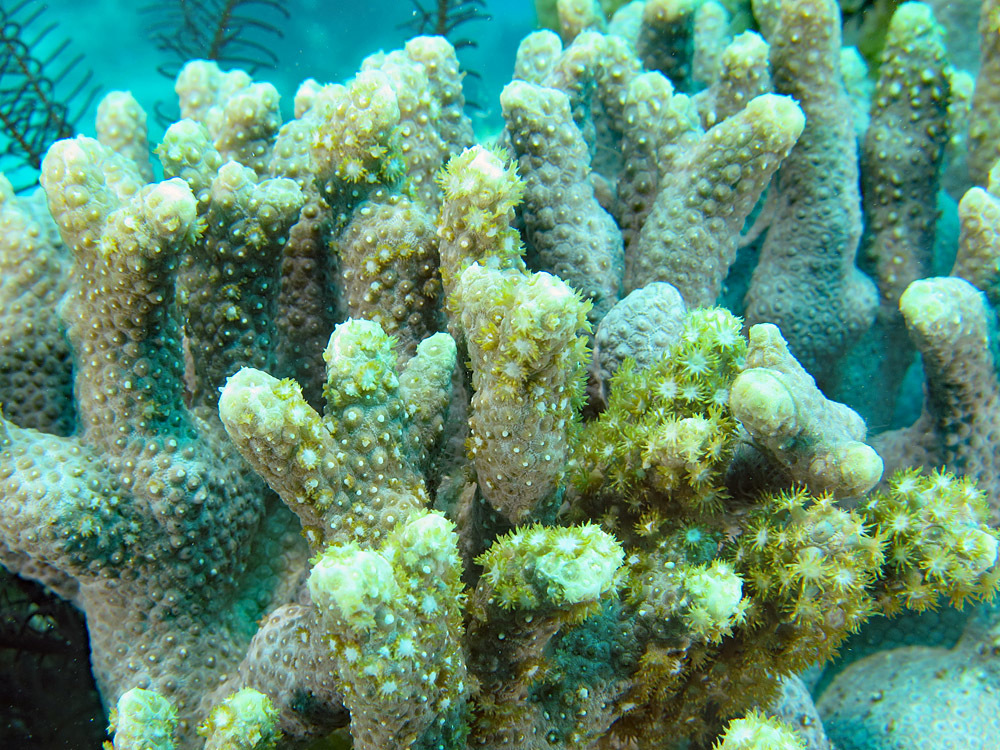
Visually, the Red Pipe Coral is striking due to its bright red skeleton, although this is often obscured by the vibrant polyps that can appear in shades of green, blue, or purple based on their expansion. Living colonies generally adopt a dome-shaped structure and can grow impressively large, reaching up to 3 meters across in their natural habitat. These corals thrive in a variety of marine environments, often found in shallow waters where they can benefit from ample sunlight and nutrient flow.
Behaviorally, the Red Pipe Coral exhibits a calm demeanor, making it a harmonious addition to community tanks. Its unique skeletal structure not only aids in its survival but also enhances the aesthetic appeal of aquarium displays. Given their soft coral classification, these organisms play a crucial role in the marine ecosystem, providing habitat and food for various marine species.
In their natural habitat, these corals contribute significantly to reef structure and health, and their presence is vital for maintaining biodiversity. The Red Pipe Coral's adaptability to different water conditions further emphasizes their resilience and importance in marine environments.
Visually, the Red Pipe Coral is striking due to its bright red skeleton, although this is often obscured by the vibrant polyps that can appear in shades of green, blue, or purple based on their expansion. Living colonies generally adopt a dome-shaped structure and can grow impressively large, reaching up to 3 meters across in their natural habitat. These corals thrive in a variety of marine environments, often found in shallow waters where they can benefit from ample sunlight and nutrient flow.
Behaviorally, the Red Pipe Coral exhibits a calm demeanor, making it a harmonious addition to community tanks. Its unique skeletal structure not only aids in its survival but also enhances the aesthetic appeal of aquarium displays. Given their soft coral classification, these organisms play a crucial role in the marine ecosystem, providing habitat and food for various marine species.
In their natural habitat, these corals contribute significantly to reef structure and health, and their presence is vital for maintaining biodiversity. The Red Pipe Coral's adaptability to different water conditions further emphasizes their resilience and importance in marine environments.
To successfully maintain Red Pipe Coral in an aquarium, it is essential to replicate their natural habitat as closely as possible. Ideal water parameters include a temperature range of 24-28°C, a salinity level of 33-35 ppt, and a pH between 8.1 and 8.4. Regular water changes and appropriate filtration help maintain water quality and clarity, which are crucial for the health of this coral.
Feeding these corals involves providing a mix of planktonic foods, such as liquid coral foods and finely minced seafood. Regular feedings, ideally every few days, will promote healthy growth and vibrant coloration. Red Pipe Corals can coexist with various reef-safe fish and invertebrates, but caution should be exercised with aggressive tankmates that may harm or compete for resources.
Acclimation is critical when introducing Red Pipe Coral to a new tank. A slow drip acclimation method is recommended to minimize stress and shock. Quarantine new arrivals for at least two weeks to monitor for any potential diseases or pests before introducing them to the main display tank. This proactive approach ensures the health and longevity of the coral in a community setting.
Feeding these corals involves providing a mix of planktonic foods, such as liquid coral foods and finely minced seafood. Regular feedings, ideally every few days, will promote healthy growth and vibrant coloration. Red Pipe Corals can coexist with various reef-safe fish and invertebrates, but caution should be exercised with aggressive tankmates that may harm or compete for resources.
Acclimation is critical when introducing Red Pipe Coral to a new tank. A slow drip acclimation method is recommended to minimize stress and shock. Quarantine new arrivals for at least two weeks to monitor for any potential diseases or pests before introducing them to the main display tank. This proactive approach ensures the health and longevity of the coral in a community setting.
Red Pipe Corals are suitable for shipping due to their hardy nature, but care must be taken to ensure proper packing. Use breathable containers with sufficient water to maintain hydration during transit. A temperature range of 22-26°C is ideal to avoid thermal stress. As a CITES Appendix II species, ensure compliance with regulations during export and transport.
Species Parameters
Max Adult Size
300.0 cm
Origin
Indo-Pacific
Temp Min
24.0 °C
Temp Max
28.0 °C
Salinity Min
33.000
Salinity Max
35.000
pH Min
8.10
pH Max
8.40
Min Tank
200 L