Blue Angel
Centropyge tibicen
Limited
Occasional stock
Wild Caught
Experienced care
With Caution
SKU: D055
The Blue Angel is a stunning marine fish known for its vibrant colors and unique personality.
Pricing for Verified Importers
Log in to see wholesale prices and order.
Export Size
up to 10.0 cm
Origin
Indo-Pacific
Temperature
24.0–28.0°C
Min. Tank Size
150 L
Salinity
1.020–1.025 ppt
pH
8.10–8.40
Diet
omnivore
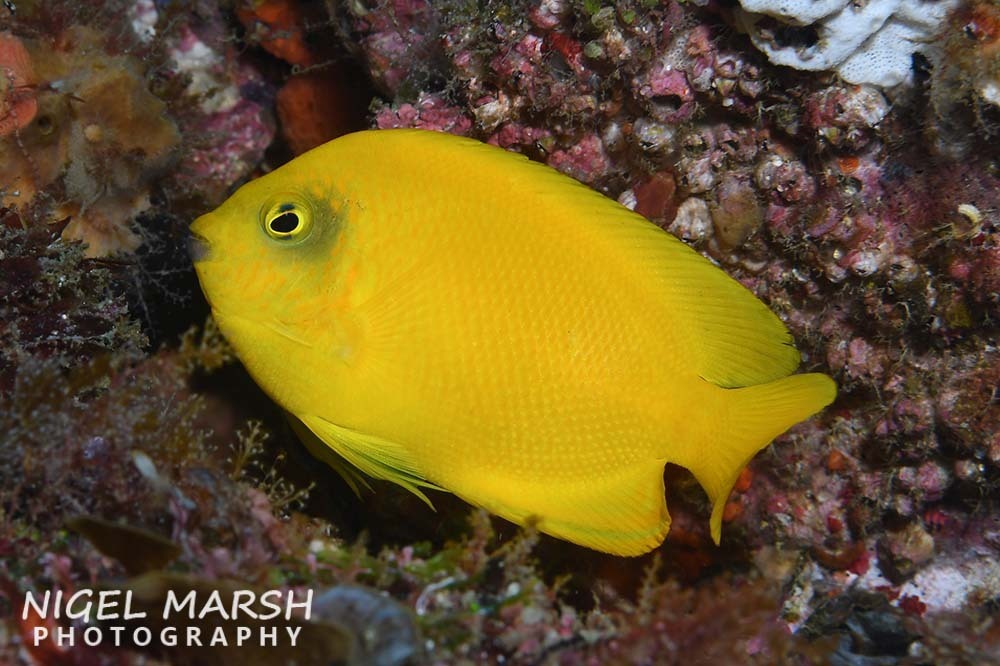
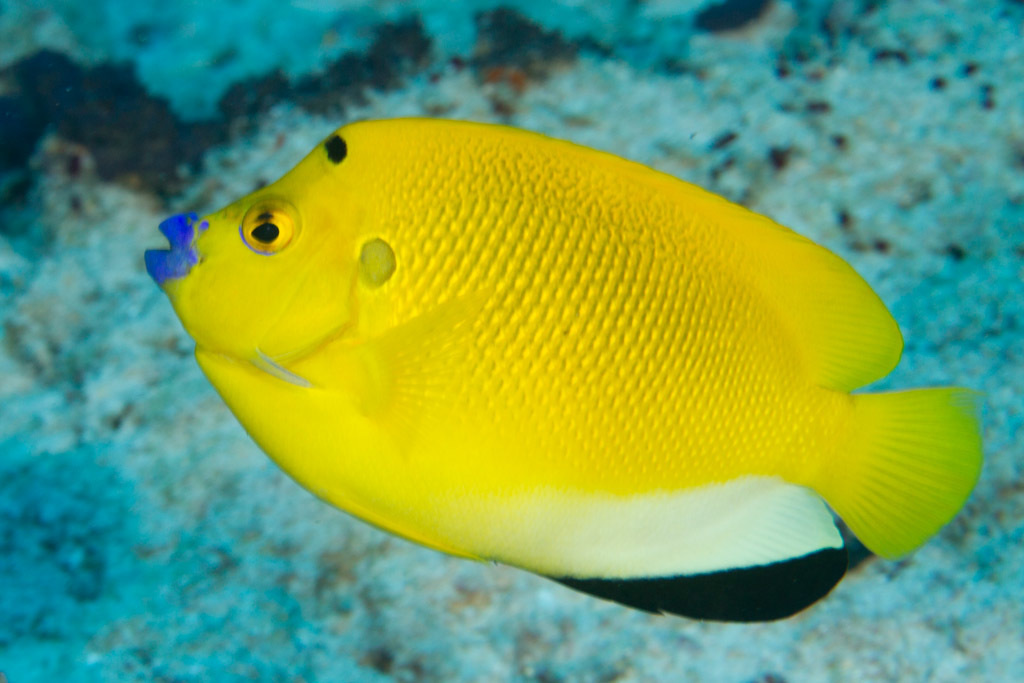
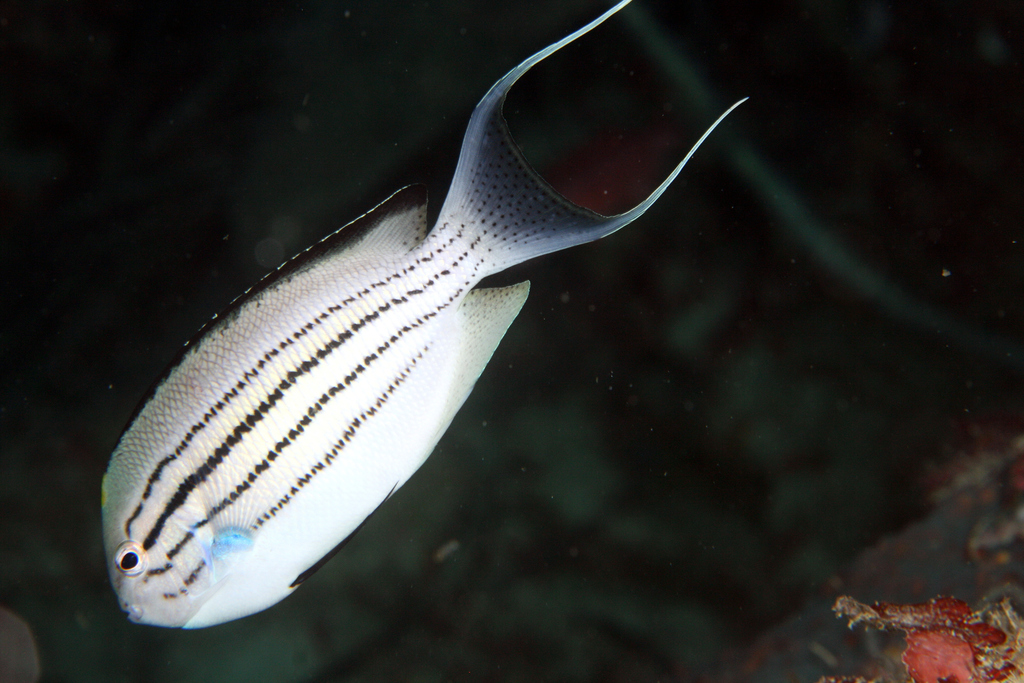
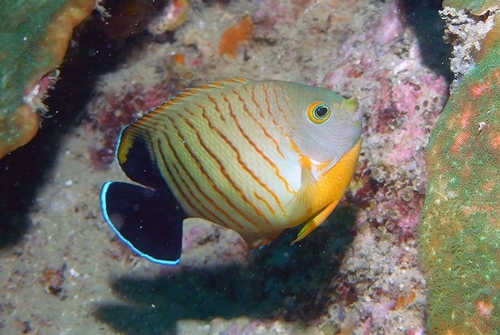
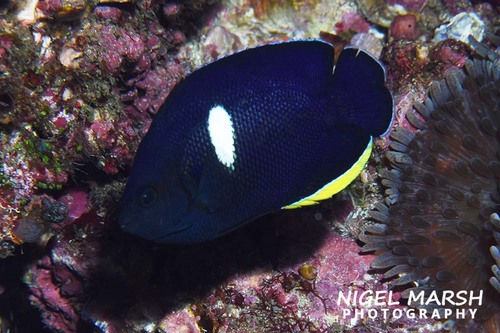
The Blue Angel (Centropyge tibicen), also known as the Blue Pygmy Angel, is a small but striking marine fish that belongs to the family Pomacanthidae. Native to the coral reefs of the Indo-Pacific region, particularly around Bali, Indonesia, this species is renowned for its vibrant blue coloration accented by bright orange and yellow markings. These colors serve not just for beauty but also play a role in communication and camouflage among the colorful corals of their natural habitat.
In terms of natural history, the Blue Angel typically inhabits shallow waters, often found at depths of 5 to 50 meters. They are usually seen in pairs or small groups, darting in and out of coral structures where they find shelter and forage for food. Their diet mainly consists of algae, small invertebrates, and detritus, reflecting their omnivorous feeding habits. Behaviorally, Blue Angels are known for their curious and semi-aggressive nature, particularly towards their own kind, making it essential for aquarists to ensure proper tank dynamics.
Visually, adult Blue Angels can grow up to 10 cm in length and boast a distinctive shape with a laterally compressed body. Their vibrant blue body is complemented by bright orange spots on the face and fins, creating a striking appearance that captivates aquarists and casual observers alike. Juveniles are often more subdued in color, making the transition to their adult hues a fascinating aspect of their life cycle.
Overall, the Blue Angel is not only a beautiful addition to any marine aquarium but also plays a vital role in the health of coral reef ecosystems. Their presence contributes to the balance of algae growth and helps maintain the complex interactions within their habitats.
In terms of natural history, the Blue Angel typically inhabits shallow waters, often found at depths of 5 to 50 meters. They are usually seen in pairs or small groups, darting in and out of coral structures where they find shelter and forage for food. Their diet mainly consists of algae, small invertebrates, and detritus, reflecting their omnivorous feeding habits. Behaviorally, Blue Angels are known for their curious and semi-aggressive nature, particularly towards their own kind, making it essential for aquarists to ensure proper tank dynamics.
Visually, adult Blue Angels can grow up to 10 cm in length and boast a distinctive shape with a laterally compressed body. Their vibrant blue body is complemented by bright orange spots on the face and fins, creating a striking appearance that captivates aquarists and casual observers alike. Juveniles are often more subdued in color, making the transition to their adult hues a fascinating aspect of their life cycle.
Overall, the Blue Angel is not only a beautiful addition to any marine aquarium but also plays a vital role in the health of coral reef ecosystems. Their presence contributes to the balance of algae growth and helps maintain the complex interactions within their habitats.
For importers and retailers, the Blue Angel requires specific water parameters to thrive. Ideal temperature ranges from 24°C to 28°C, with a salinity level between 1.020 and 1.025 ppt. The pH should be maintained between 8.1 and 8.4 for optimal health. A minimum tank size of 150 liters is recommended to allow adequate swimming space and territory establishment.
Feeding the Blue Angel is relatively straightforward, as they are omnivorous. A varied diet including high-quality flakes, pellets, and frozen or live foods such as brine shrimp and spirulina will ensure they receive necessary nutrients. Compatibility should be carefully considered; while they can coexist with other species, aggression can arise with similar-looking fish, particularly other angelfish.
Acclimation is crucial when introducing Blue Angels to a new environment. A slow acclimation process over several hours will help reduce stress and ensure a smoother transition. Quarantine for at least two weeks before adding them to a display tank is recommended to prevent potential disease transmission from wild-caught specimens.
Feeding the Blue Angel is relatively straightforward, as they are omnivorous. A varied diet including high-quality flakes, pellets, and frozen or live foods such as brine shrimp and spirulina will ensure they receive necessary nutrients. Compatibility should be carefully considered; while they can coexist with other species, aggression can arise with similar-looking fish, particularly other angelfish.
Acclimation is crucial when introducing Blue Angels to a new environment. A slow acclimation process over several hours will help reduce stress and ensure a smoother transition. Quarantine for at least two weeks before adding them to a display tank is recommended to prevent potential disease transmission from wild-caught specimens.
The Blue Angel is suitable for shipping, provided that proper care is taken to ensure their survival during transit. They should be packed with adequate space to prevent injury, ideally in bags that hold 1-2 fish per liter of water. Temperature sensitivity requires maintaining stable conditions during shipping, ideally between 24°C and 28°C. The Blue Angel is not listed under CITES, making export regulations simpler.
Species Parameters
Max Adult Size
10.0 cm
Origin
Indo-Pacific
Habitat
reef
Diet
omnivore
Temp Min
24.0 °C
Temp Max
28.0 °C
Salinity Min
1.020
Salinity Max
1.025
pH Min
8.10
pH Max
8.40
Min Tank
150 L