Yellow Faced/Blue Face Angelfish Juv.S
pomac.xanthometopon juv.s
In Stock
Common stock
Wild Caught
Moderate care
With Caution
SKU: ML-MF-0026
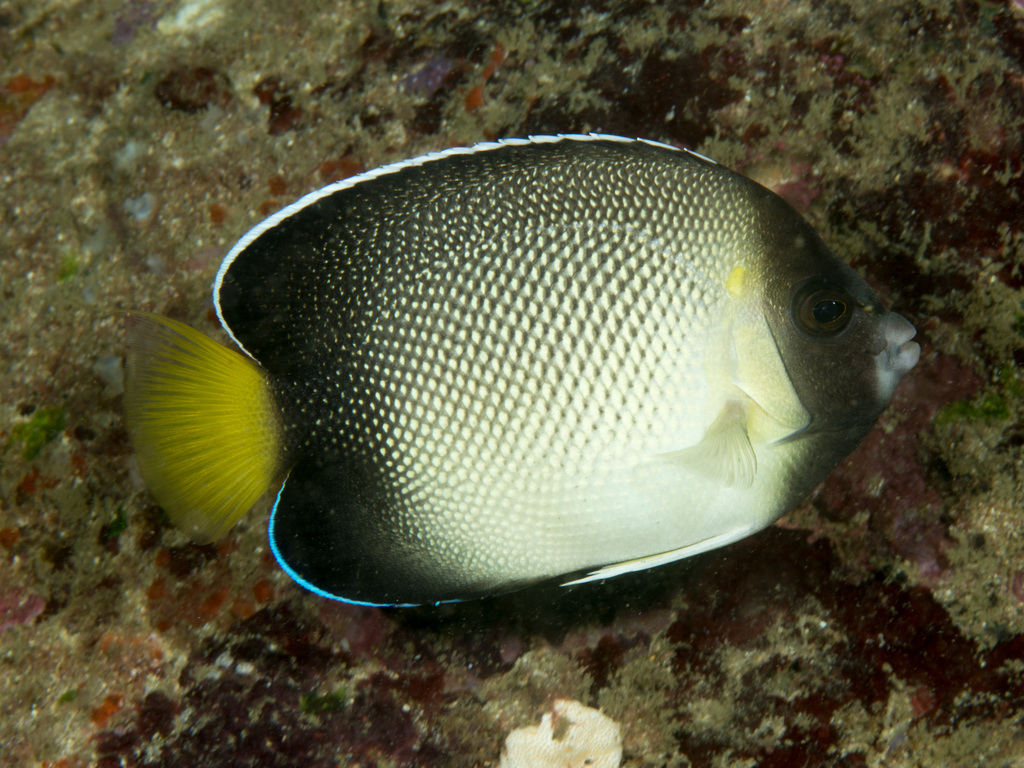
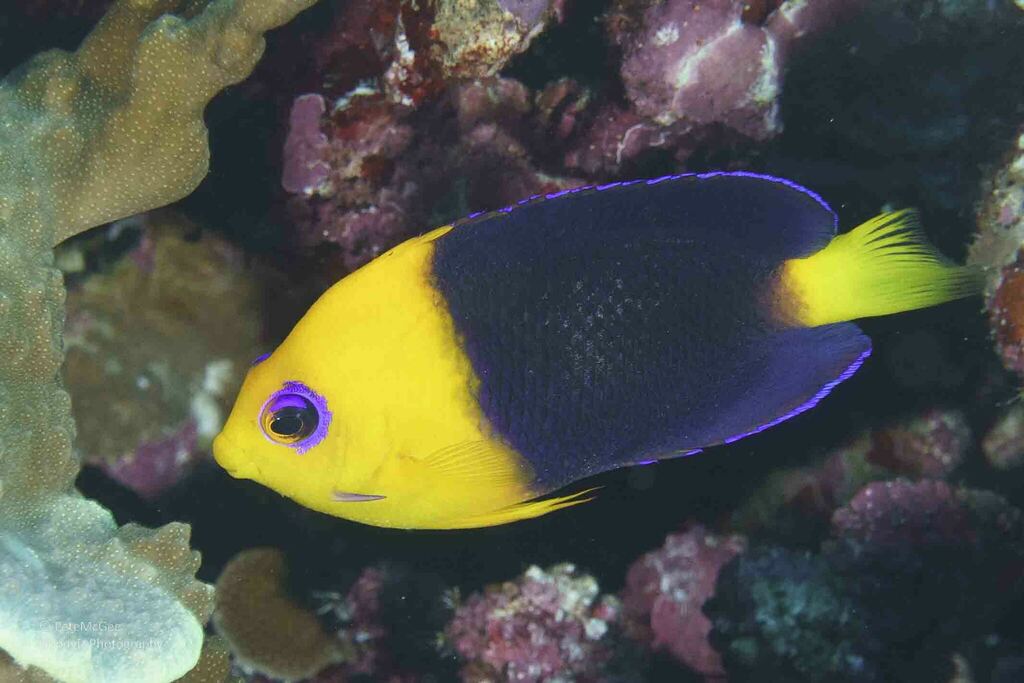
The Yellow Faced/Blue Face Angelfish Juv.S captivates with its vibrant colors and unique facial markings.
Pricing for Verified Importers
Log in to see wholesale prices and order.
Export Size
up to 20.0 cm
Origin
Indo-Pacific
Temperature
24.0–28.0°C
Min. Tank Size
200 L
Salinity
1.020–1.025 ppt
pH
8.10–8.40
Diet
omnivore
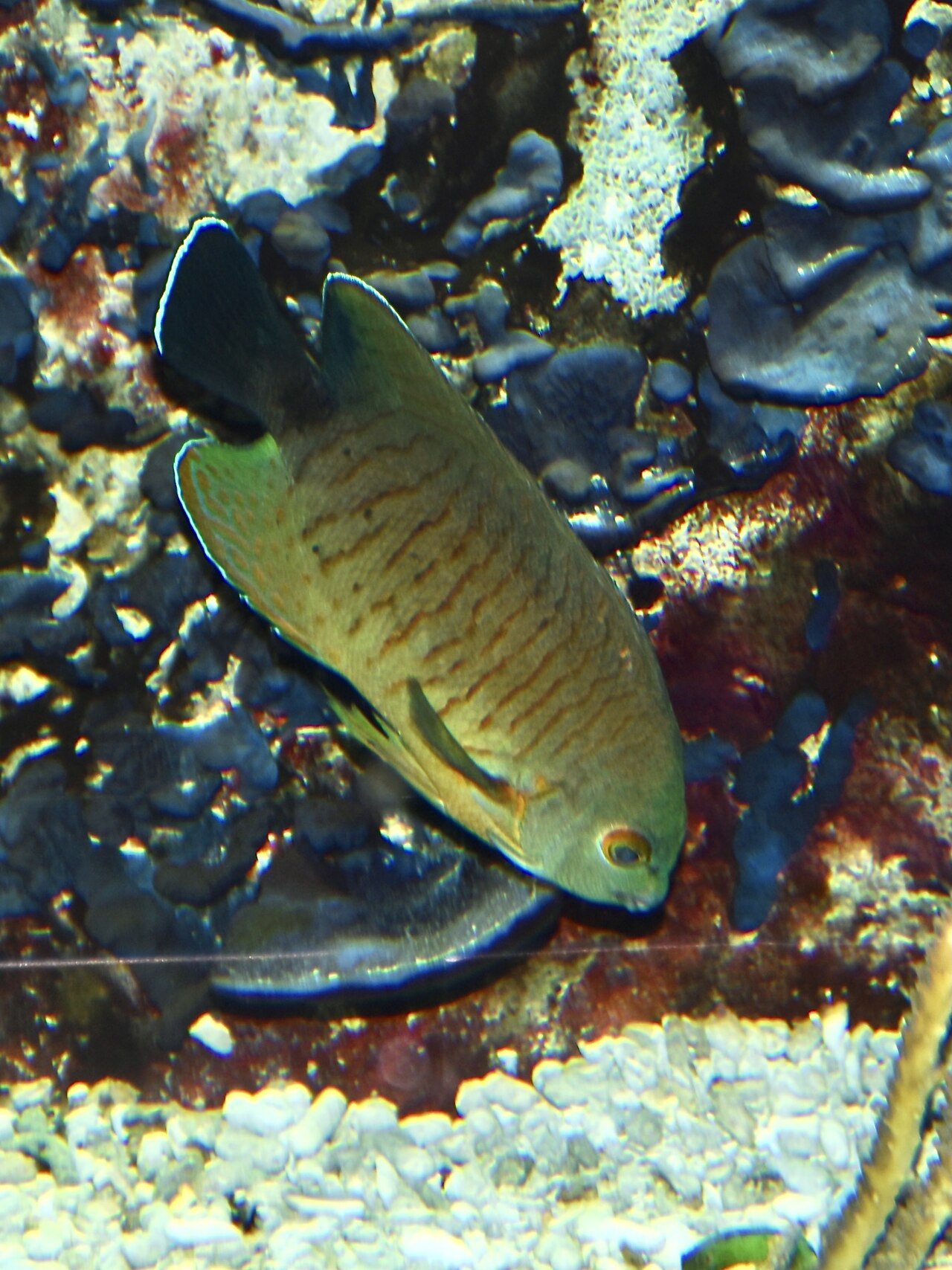
The Yellow Faced/Blue Face Angelfish (Pomacanthus xanthometopon) is a striking marine species native to the coral reefs of the Indo-Pacific region, particularly around Bali, Indonesia. This juvenile form is characterized by its bright yellow face and deep blue body, creating a stunning contrast that makes it a favorite among aquarium enthusiasts. As it matures, it develops more intricate patterns and a larger size, making it a visually appealing addition to any marine aquarium.
Natural habitats for this species include both shallow and deeper reef environments, where they seek shelter among coral structures. These angelfish are known to inhabit areas rich in algae and sponge, which are crucial for their diet. Their behavior is generally social; they can often be seen swimming in pairs or small groups. Juveniles are particularly curious, exploring their surroundings with a boldness that belies their small size.
In terms of personality, the Yellow Faced/Blue Face Angelfish exhibits a mix of territoriality and inquisitiveness. They are known to establish a hierarchy within their social structures, but they can also coexist peacefully with other species if properly introduced. Their vibrant colors and active behavior make them a captivating sight in any aquarium setup, adding both beauty and interest.
Overall, the Yellow Faced/Blue Face Angelfish is not just an aesthetic choice; it contributes to the ecological balance of its habitat. By understanding their natural behaviors and requirements, aquarists can create an environment that mimics their native waters, leading to healthier and more vibrant fish in captivity.
Natural habitats for this species include both shallow and deeper reef environments, where they seek shelter among coral structures. These angelfish are known to inhabit areas rich in algae and sponge, which are crucial for their diet. Their behavior is generally social; they can often be seen swimming in pairs or small groups. Juveniles are particularly curious, exploring their surroundings with a boldness that belies their small size.
In terms of personality, the Yellow Faced/Blue Face Angelfish exhibits a mix of territoriality and inquisitiveness. They are known to establish a hierarchy within their social structures, but they can also coexist peacefully with other species if properly introduced. Their vibrant colors and active behavior make them a captivating sight in any aquarium setup, adding both beauty and interest.
Overall, the Yellow Faced/Blue Face Angelfish is not just an aesthetic choice; it contributes to the ecological balance of its habitat. By understanding their natural behaviors and requirements, aquarists can create an environment that mimics their native waters, leading to healthier and more vibrant fish in captivity.
To ensure the health and well-being of the Yellow Faced/Blue Face Angelfish Juvenile, it is essential to maintain stable water parameters. Ideal temperature ranges from 24°C to 28°C, with a salinity of 1.020 to 1.025 ppt, and a pH level between 8.1 and 8.4. These fish thrive in well-maintained reef setups with ample hiding spots and swimming space.
Feeding should consist of a varied diet, including high-quality marine flakes, pellets, and live or frozen foods such as brine shrimp or mysis shrimp. Regular feeding will promote healthy growth and vibrant coloration. It is advisable to introduce them to the aquarium gradually, ensuring they are acclimated properly to their new environment to minimize stress.
In terms of compatibility, these angelfish can coexist with a variety of species, but caution should be taken when introducing them to smaller or more docile fish. Quarantine new arrivals for a minimum of two weeks to monitor for any signs of disease before adding them to the main tank. This practice helps maintain the health of your aquarium community and reduces the risk of disease outbreaks.
Feeding should consist of a varied diet, including high-quality marine flakes, pellets, and live or frozen foods such as brine shrimp or mysis shrimp. Regular feeding will promote healthy growth and vibrant coloration. It is advisable to introduce them to the aquarium gradually, ensuring they are acclimated properly to their new environment to minimize stress.
In terms of compatibility, these angelfish can coexist with a variety of species, but caution should be taken when introducing them to smaller or more docile fish. Quarantine new arrivals for a minimum of two weeks to monitor for any signs of disease before adding them to the main tank. This practice helps maintain the health of your aquarium community and reduces the risk of disease outbreaks.
The Yellow Faced/Blue Face Angelfish Juv.S is suitable for shipping due to their hardy nature. Packing density should allow for adequate water exchange and movement to minimize stress. Ideal shipping temperatures are between 22°C and 26°C to ensure the fish remain comfortable during transit. This species is not listed under CITES, which simplifies the export process.
Species Parameters
Max Adult Size
20.0 cm
Origin
Indo-Pacific
Diet
omnivore
Temp Min
24.0 °C
Temp Max
28.0 °C
Salinity Min
1.020
Salinity Max
1.025
pH Min
8.10
pH Max
8.40
Min Tank
200 L