
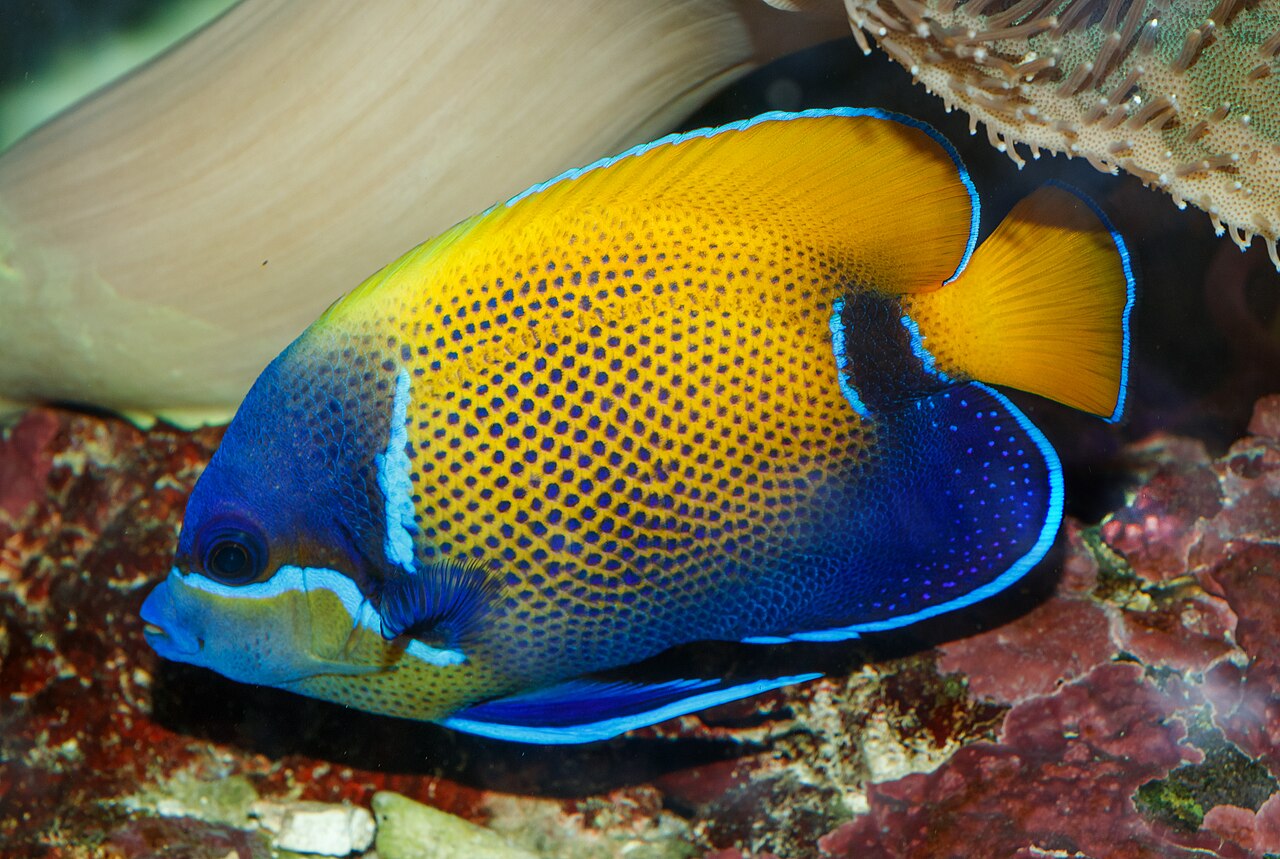
Blue Girdled/Majestic Angelfish
pomac.navarchus adult
In Stock
Common stock
Wild Caught
Moderate care
With Caution
SKU: ML-MF-0028
The Blue Girdled Angelfish is a stunning marine species prized for its vibrant colors and unique patterns.
Pricing for Verified Importers
Log in to see wholesale prices and order.
Export Size
up to 30.0 cm
Origin
Indo-Pacific
Temperature
24.0–28.0°C
Min. Tank Size
400 L
Salinity
1.020–1.025 ppt
pH
8.10–8.40
Diet
omnivore
The Blue Girdled Angelfish (Pomacanthus navarchus) is a remarkable marine fish that inhabits the coral reefs of the Indo-Pacific region. Known for its striking blue and yellow coloration, this angelfish displays a distinctive girdled pattern that enhances its visual appeal. Adults typically reach a maximum size of 30 cm, showcasing a robust body that is both beautiful and imposing. Their vibrant hues serve not only as a visual spectacle but also play a role in social interactions and mating displays.
In the wild, Blue Girdled Angelfish are primarily found in shallow reef environments, where they graze on algae and small invertebrates. They are known to be territorial, often establishing dominance over specific areas of the reef. Their behavior can be quite fascinating, as they exhibit a range of social interactions, from aggressive displays to courtship rituals. These angelfish are typically solitary or found in pairs, making them a captivating addition to any marine aquarium.
The habitat of the Blue Girdled Angelfish is closely linked to healthy coral reefs, which provide both food and shelter. They thrive in environments rich in biodiversity, where they can forage for their preferred diet of sponges, algae, and small crustaceans. As a species that contributes to the ecological balance of coral reefs, they play a vital role in maintaining the health of these underwater ecosystems.
Capturing and exporting this species requires careful consideration of their natural habitat and social structure, ensuring that sustainable practices are in place to protect their populations in the wild. With proper care, the Blue Girdled Angelfish can thrive in a well-maintained aquarium setting, offering aquarists a glimpse of its natural beauty.
In the wild, Blue Girdled Angelfish are primarily found in shallow reef environments, where they graze on algae and small invertebrates. They are known to be territorial, often establishing dominance over specific areas of the reef. Their behavior can be quite fascinating, as they exhibit a range of social interactions, from aggressive displays to courtship rituals. These angelfish are typically solitary or found in pairs, making them a captivating addition to any marine aquarium.
The habitat of the Blue Girdled Angelfish is closely linked to healthy coral reefs, which provide both food and shelter. They thrive in environments rich in biodiversity, where they can forage for their preferred diet of sponges, algae, and small crustaceans. As a species that contributes to the ecological balance of coral reefs, they play a vital role in maintaining the health of these underwater ecosystems.
Capturing and exporting this species requires careful consideration of their natural habitat and social structure, ensuring that sustainable practices are in place to protect their populations in the wild. With proper care, the Blue Girdled Angelfish can thrive in a well-maintained aquarium setting, offering aquarists a glimpse of its natural beauty.
To successfully care for the Blue Girdled Angelfish, importers and retailers should ensure that water parameters are optimal. The ideal temperature range is between 24°C to 28°C, with a salinity level of 1.020 to 1.025 ppt. The pH should be maintained between 8.1 and 8.4 to replicate their natural habitat. A minimum tank size of 400 liters is recommended to provide ample space for swimming and territorial behavior.
Feeding this species requires a varied diet to meet their nutritional needs. They should be offered high-quality marine pellets, spirulina, and a mix of frozen or live foods such as brine shrimp and mysis shrimp. It is important to feed them multiple times a day to ensure they receive adequate nutrition and to promote healthy growth.
In terms of compatibility, Blue Girdled Angelfish can be semi-aggressive, especially towards their own species. It is advisable to house them with similarly sized fish that are not overly aggressive. Acclimation should be gradual, allowing the fish to adapt to new water conditions, and a quarantine period of at least two weeks is recommended to monitor for any diseases before introducing them to the main display tank.
Feeding this species requires a varied diet to meet their nutritional needs. They should be offered high-quality marine pellets, spirulina, and a mix of frozen or live foods such as brine shrimp and mysis shrimp. It is important to feed them multiple times a day to ensure they receive adequate nutrition and to promote healthy growth.
In terms of compatibility, Blue Girdled Angelfish can be semi-aggressive, especially towards their own species. It is advisable to house them with similarly sized fish that are not overly aggressive. Acclimation should be gradual, allowing the fish to adapt to new water conditions, and a quarantine period of at least two weeks is recommended to monitor for any diseases before introducing them to the main display tank.
The Blue Girdled Angelfish is suitable for shipping, but careful attention must be paid to packing density and temperature sensitivity. It is best to use insulated boxes and heat packs to maintain stable temperatures between 24°C and 28°C during transit. Compliance with CITES regulations is necessary, as this species is listed under Appendix II, ensuring that exports do not threaten their survival in the wild.
Species Parameters
Max Adult Size
30.0 cm
Origin
Indo-Pacific
Diet
omnivore
Temp Min
24.0 °C
Temp Max
28.0 °C
Salinity Min
1.020
Salinity Max
1.025
pH Min
8.10
pH Max
8.40
Min Tank
400 L
More from this Category

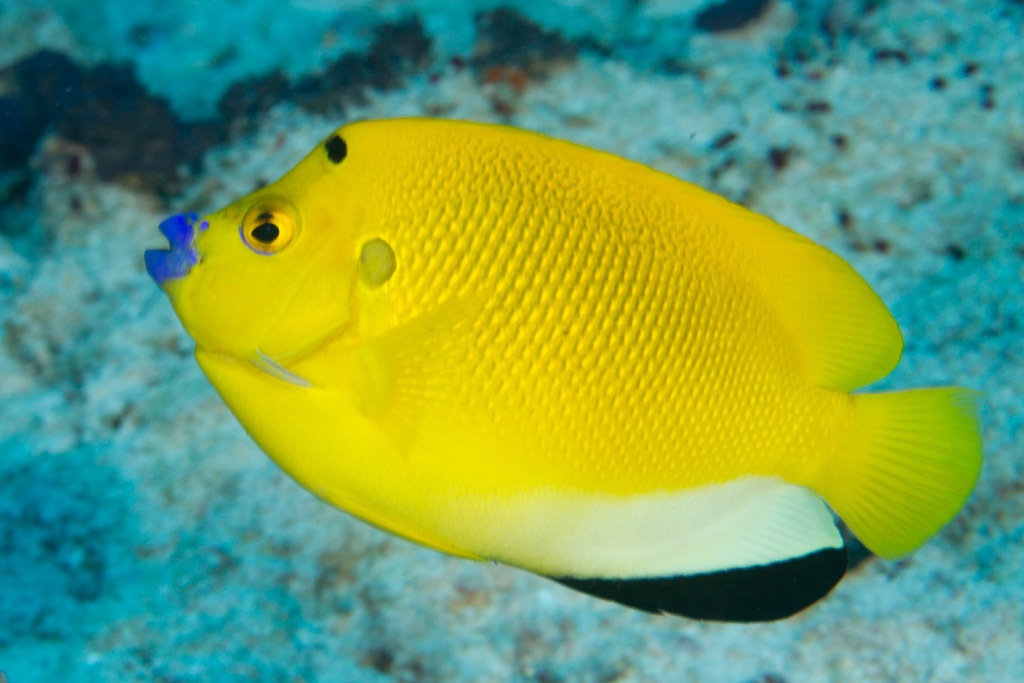
Photo credits
Photo 1
Adult Pomacanthus navarchus reference; not offered stock, guaranteed sale size, sex or colour development. Existing Commons thumbnail unchanged; no local edits.
Photo: H. Zell · Pomacanthus navarchus - Wilhelma 01.jpg · CC BY-SA 3.0