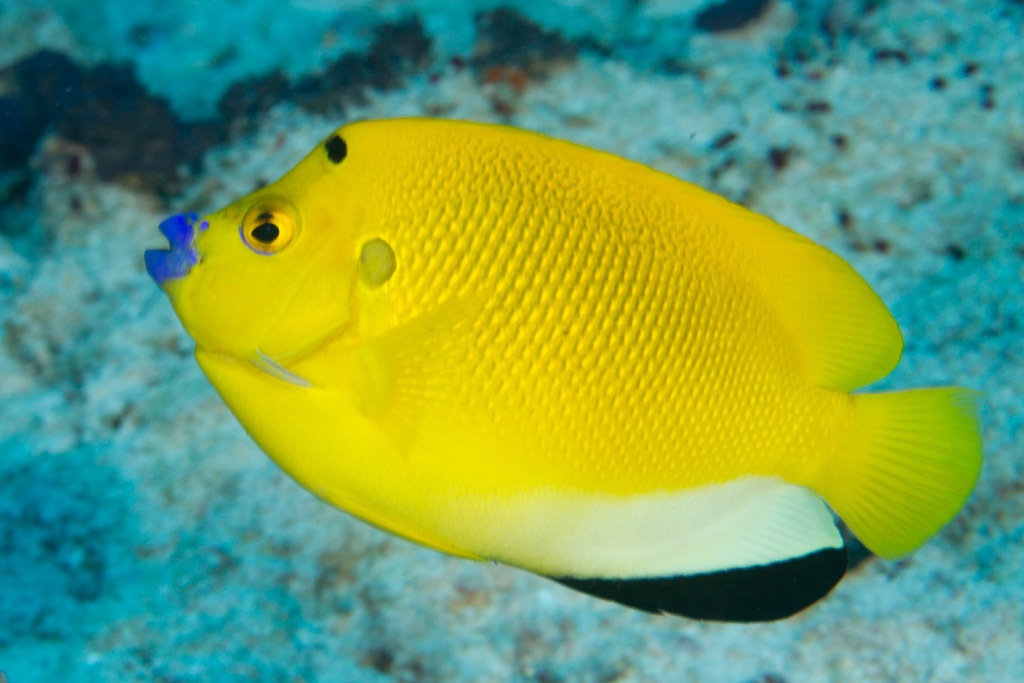
Three - Spot Angelfish Adult
apolemichthys trimaculatus adult
In Stock
Common stock
Wild Caught
Moderate care
With Caution
SKU: ML-MF-0034
The Three-Spot Angelfish is a stunning marine species, known for its vibrant colors and unique patterns.
Pricing for Verified Importers
Log in to see wholesale prices and order.
Export Size
up to 25.0 cm
Origin
Indo-Pacific
Temperature
24.0–28.0°C
Min. Tank Size
150 L
Salinity
1.020–1.025 ppt
pH
8.10–8.40
Diet
omnivore
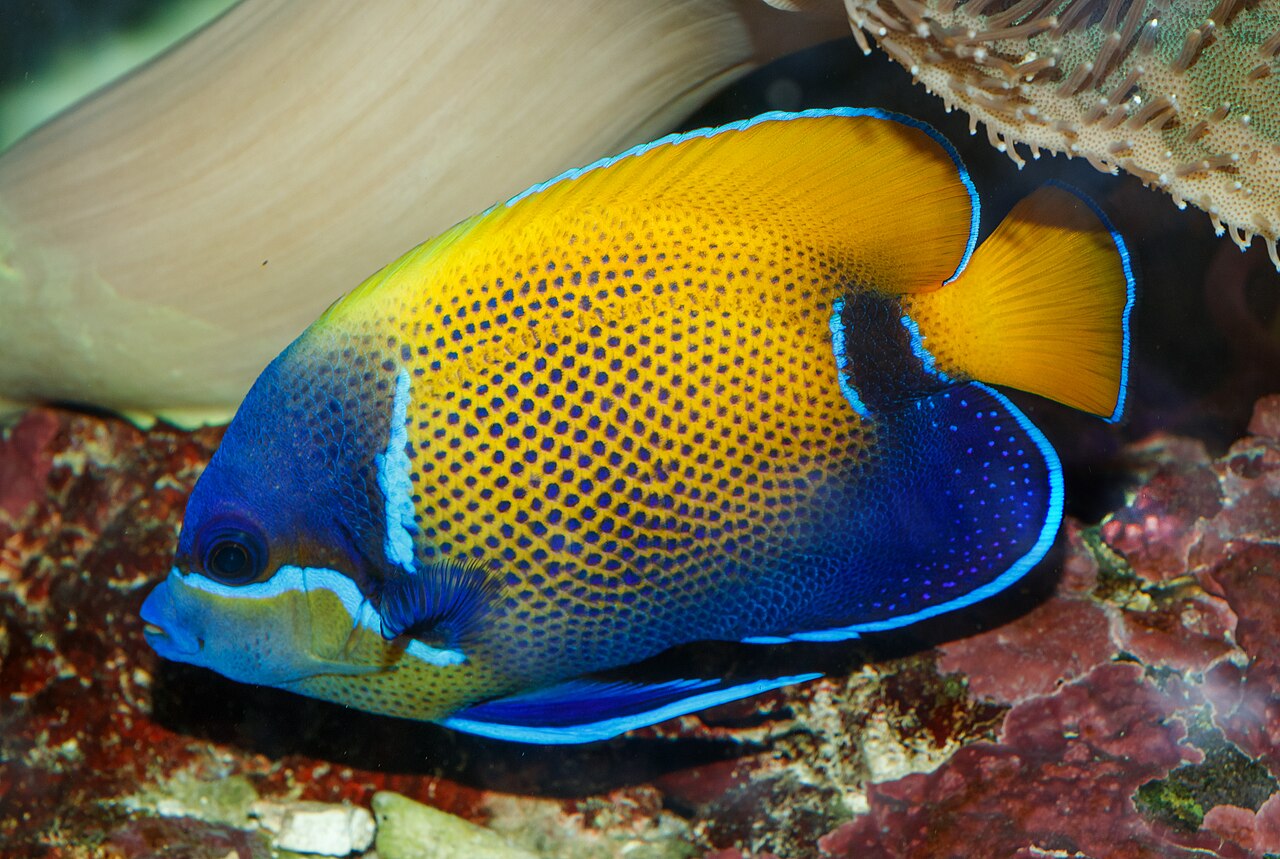
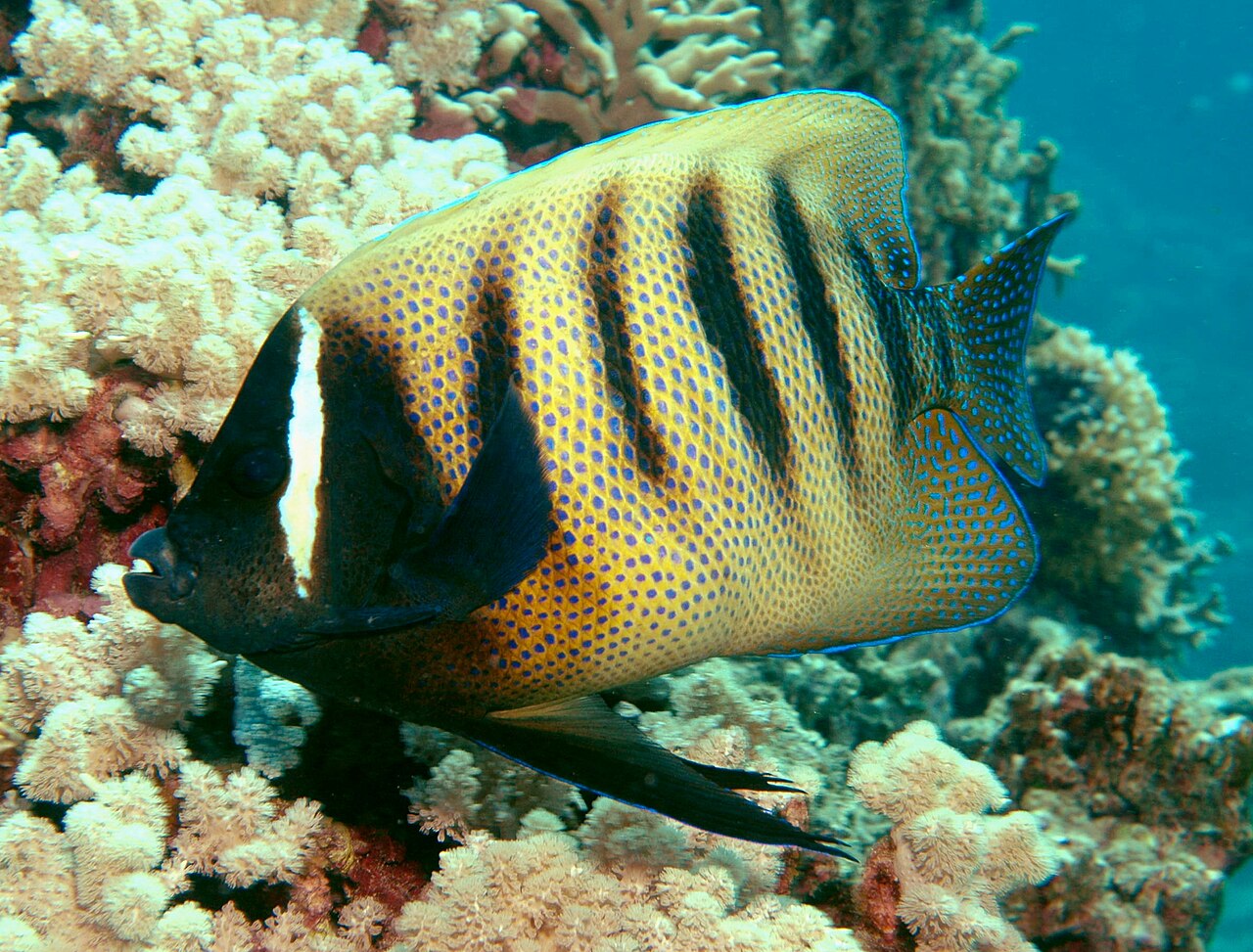
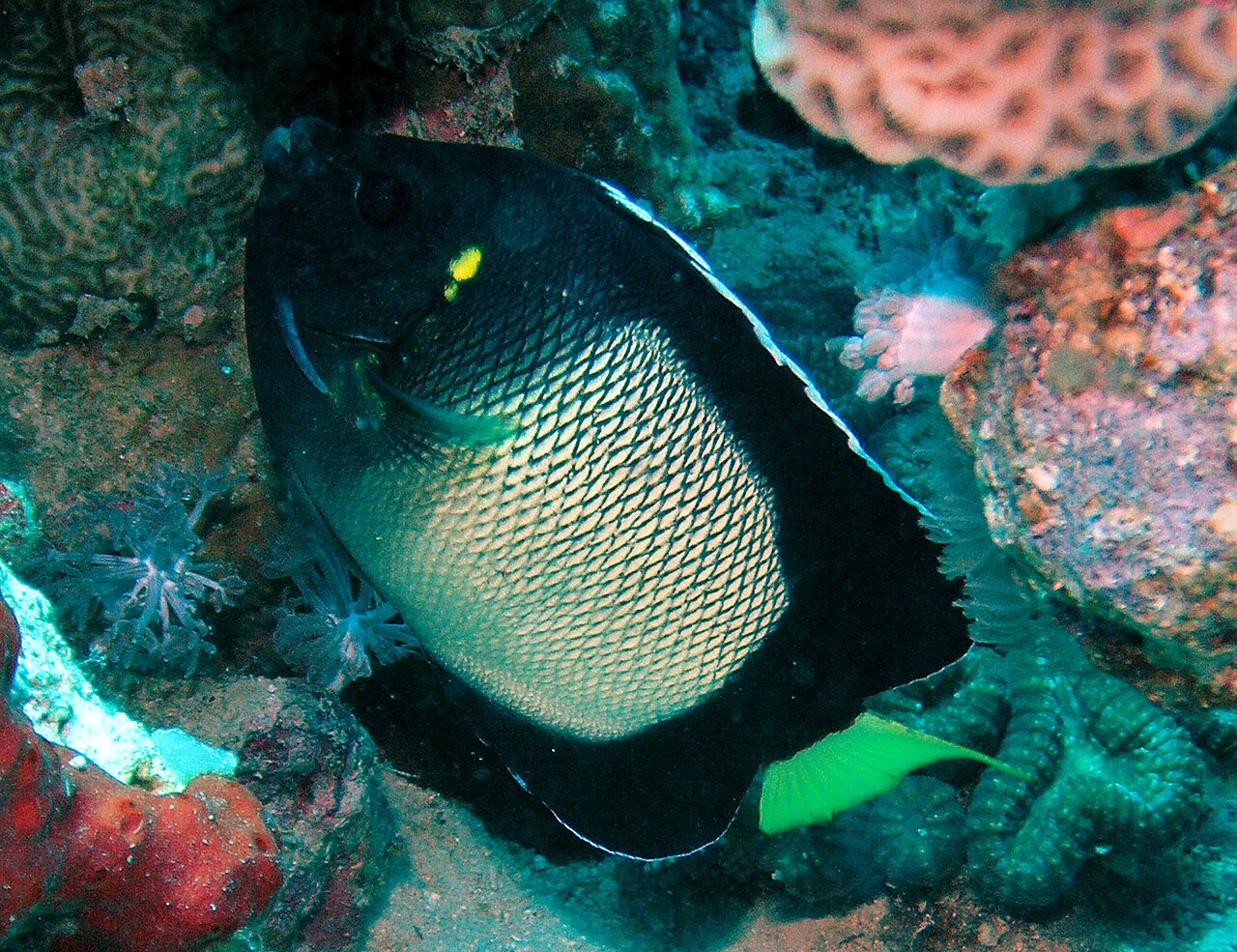
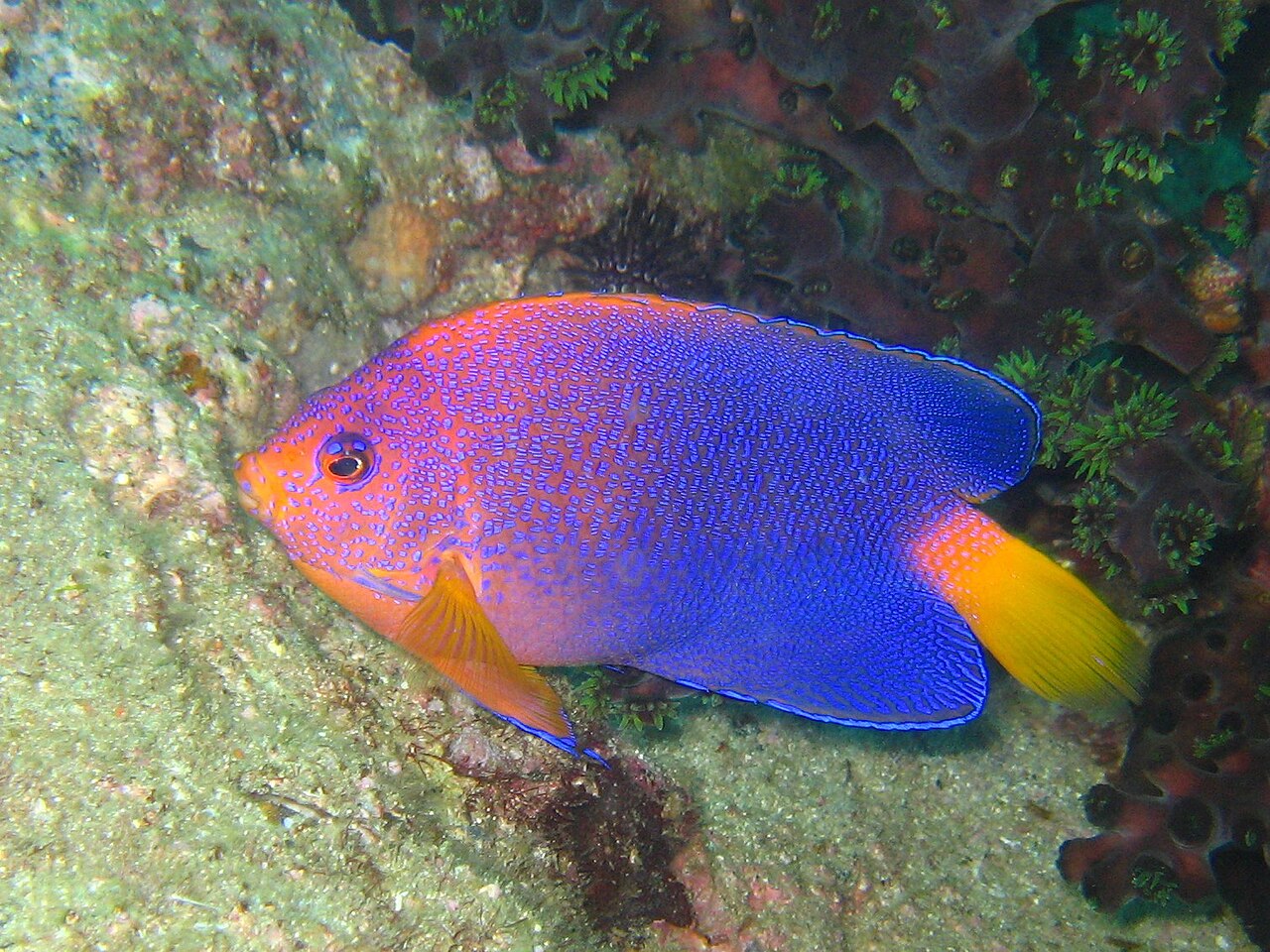
The Three-Spot Angelfish (Apolemichthys trimaculatus) is a striking marine fish native to the coral reefs of the Indo-Pacific region. Adults exhibit a captivating combination of deep blue and yellow hues, marked by three distinctive black spots that give the species its name. These vibrant colors play a crucial role in their natural habitat, serving as camouflage against predators among the colorful coral structures. As they mature, their coloration intensifies, making them a sought-after species for marine aquariums.
In terms of behavior, Three-Spot Angelfish are generally semi-aggressive and territorial, particularly in their adult stage. They are known to establish their dominance over a defined territory within the reef environment. In the wild, they primarily feed on a diet of algae, sponges, and small invertebrates, which they graze on from the rocky surfaces of their habitat. This feeding behavior is not only vital for their health but also contributes to the overall health of the coral reefs by controlling algae growth.
Three-Spot Angelfish are typically found in shallow waters, preferring depths of up to 30 meters. They thrive in areas with abundant coral cover, which provides both shelter and food. Their natural environment is characterized by clear waters with moderate to high salinity levels, making them well-suited for life in the vibrant ecosystems of the Coral Triangle. This species is also known for its social structure, often found in small groups or pairs, especially during breeding activities.
As a popular choice among aquarium enthusiasts, the Three-Spot Angelfish is often sought for its beauty and unique behavior. When properly cared for, they can thrive in captivity and make a stunning addition to any marine aquarium setup, captivating viewers with their vibrant presence and dynamic movements.
In terms of behavior, Three-Spot Angelfish are generally semi-aggressive and territorial, particularly in their adult stage. They are known to establish their dominance over a defined territory within the reef environment. In the wild, they primarily feed on a diet of algae, sponges, and small invertebrates, which they graze on from the rocky surfaces of their habitat. This feeding behavior is not only vital for their health but also contributes to the overall health of the coral reefs by controlling algae growth.
Three-Spot Angelfish are typically found in shallow waters, preferring depths of up to 30 meters. They thrive in areas with abundant coral cover, which provides both shelter and food. Their natural environment is characterized by clear waters with moderate to high salinity levels, making them well-suited for life in the vibrant ecosystems of the Coral Triangle. This species is also known for its social structure, often found in small groups or pairs, especially during breeding activities.
As a popular choice among aquarium enthusiasts, the Three-Spot Angelfish is often sought for its beauty and unique behavior. When properly cared for, they can thrive in captivity and make a stunning addition to any marine aquarium setup, captivating viewers with their vibrant presence and dynamic movements.
To successfully maintain Three-Spot Angelfish in an aquarium, importers and retailers should ensure water parameters are stable. Ideal temperature ranges from 24°C to 28°C, with salinity levels between 1.020 and 1.025 ppt. The pH should be maintained between 8.1 and 8.4 to mimic their natural habitat. A minimum tank size of 150 liters is recommended to provide ample space for swimming and territorial behavior.
Feeding should consist of a varied diet including high-quality flakes, pellets, and frozen foods such as mysis shrimp and spirulina-based products. Regular feeding 2-3 times a day will help maintain their health and coloration. Compatibility can be an issue; hence, it is advisable to house them with similarly sized and semi-aggressive species to minimize territorial disputes.
Acclimation is crucial when introducing them to a new environment. A slow drip acclimation method is recommended to reduce stress. Quarantine procedures should be followed for at least two weeks before introducing them to the main display tank, as this helps to prevent the spread of potential diseases. Regular monitoring for signs of stress or illness will ensure their well-being in captivity.
Feeding should consist of a varied diet including high-quality flakes, pellets, and frozen foods such as mysis shrimp and spirulina-based products. Regular feeding 2-3 times a day will help maintain their health and coloration. Compatibility can be an issue; hence, it is advisable to house them with similarly sized and semi-aggressive species to minimize territorial disputes.
Acclimation is crucial when introducing them to a new environment. A slow drip acclimation method is recommended to reduce stress. Quarantine procedures should be followed for at least two weeks before introducing them to the main display tank, as this helps to prevent the spread of potential diseases. Regular monitoring for signs of stress or illness will ensure their well-being in captivity.
Three-Spot Angelfish are suitable for shipping, provided proper precautions are taken. Packing density should allow for adequate space and airflow, typically one fish per 10 liters of water during transport. Temperature sensitivity is moderate; maintaining a stable temperature between 24°C and 28°C during shipping is essential to ensure their survival. This species is not listed under CITES, ensuring easier compliance with export regulations.
Species Parameters
Max Adult Size
25.0 cm
Origin
Indo-Pacific
Diet
omnivore
Temp Min
24.0 °C
Temp Max
28.0 °C
Salinity Min
1.020
Salinity Max
1.025
pH Min
8.10
pH Max
8.40
Min Tank
150 L