
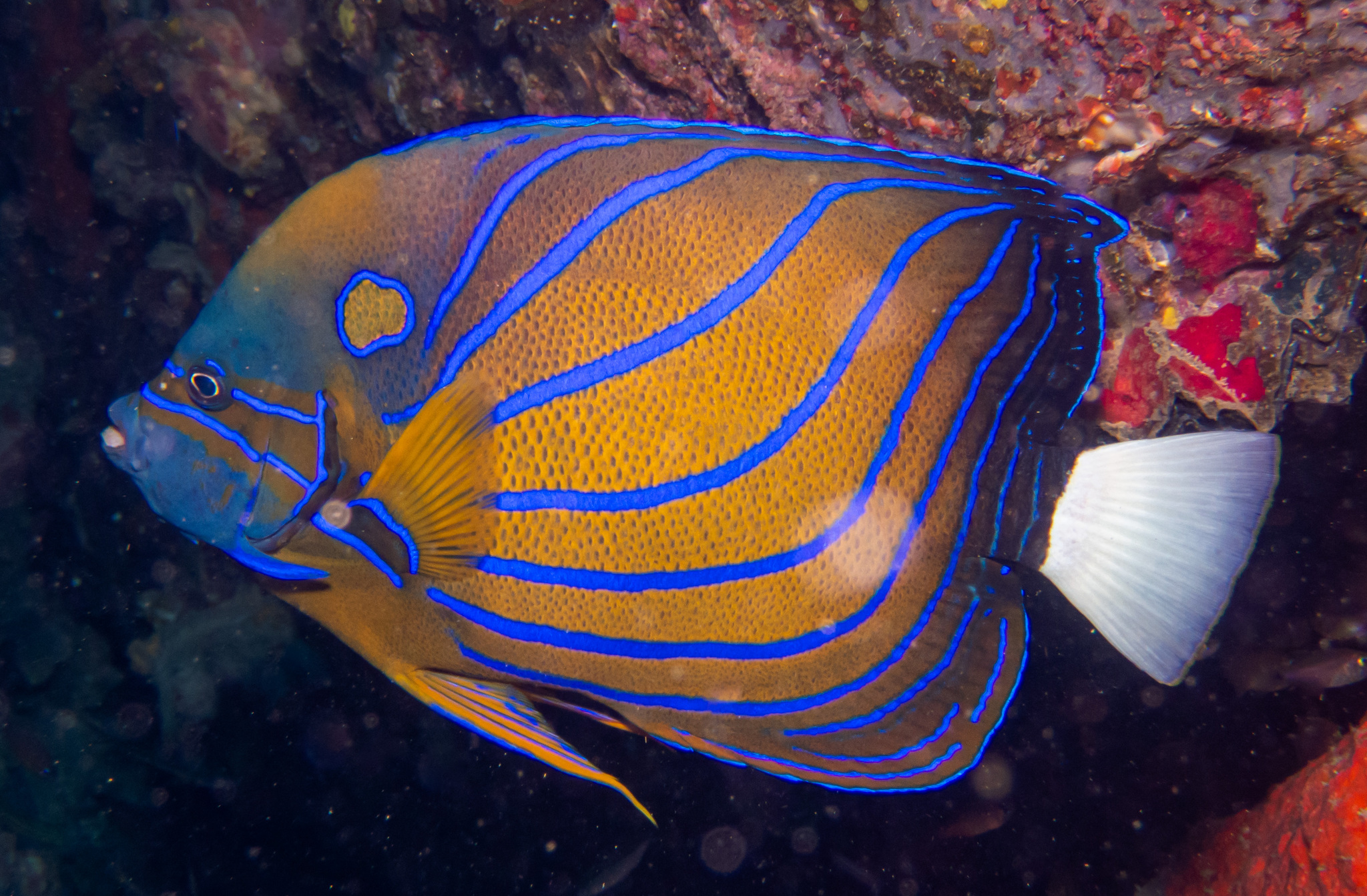
Blue King/ Blue ring Angelfish Fish
pomac.annularis adult show
In Stock
Common stock
Wild Caught
Moderate care
With Caution
SKU: ML-MF-0020
The Blue King/Blue Ring Angelfish is a vibrant marine beauty, prized for its striking coloration and unique patterns.
Pricing for Verified Importers
Log in to see wholesale prices and order.
Export Size
up to 30.0 cm
Origin
Coral Triangle
Temperature
24.0–28.0°C
Min. Tank Size
300 L
Salinity
35.000–35.000 ppt
pH
8.10–8.40
Diet
herbivore
The Blue King Angelfish, scientifically known as Pomacanthus annularis, is a stunning marine species native to the warm waters of the Coral Triangle. This fish is renowned for its vibrant blue and yellow coloration, with striking ring patterns that make it a favorite among aquarium enthusiasts. Adults can reach sizes of up to 30 cm, showcasing a robust and oval body that is characteristic of angelfish. Their coloration can vary with age, where juveniles display a different palette that gradually transforms into the vivid adult hues as they mature.
In their natural habitat, Blue King Angelfish are commonly found in coral reefs and rocky substrates, where they seek shelter and food among the corals. They are primarily herbivorous, feeding on algae, sponge, and other plant materials, which they graze from the reef. This species plays a crucial role in maintaining the health of coral ecosystems by controlling algae growth, thereby promoting coral health. Their vibrant appearance serves not only as a form of camouflage among the coral but also as a means of communication with other fish.
Behaviorally, Blue King Angelfish are known to be relatively territorial, particularly during breeding seasons. They establish and defend their territory against intruders and can often be seen swimming gracefully around their chosen area. While generally peaceful, they may display aggression towards other angelfish or similar-sized fish, especially in confined spaces. Their social structure includes forming loose schools during their juvenile stages, which provides safety in numbers from predators.
Due to their stunning appearance and ecological role, Blue King Angelfish are increasingly sought after for home aquariums. However, they require specific care and attention to thrive in captivity, making them a choice for experienced aquarists who can replicate their natural habitat effectively.
In their natural habitat, Blue King Angelfish are commonly found in coral reefs and rocky substrates, where they seek shelter and food among the corals. They are primarily herbivorous, feeding on algae, sponge, and other plant materials, which they graze from the reef. This species plays a crucial role in maintaining the health of coral ecosystems by controlling algae growth, thereby promoting coral health. Their vibrant appearance serves not only as a form of camouflage among the coral but also as a means of communication with other fish.
Behaviorally, Blue King Angelfish are known to be relatively territorial, particularly during breeding seasons. They establish and defend their territory against intruders and can often be seen swimming gracefully around their chosen area. While generally peaceful, they may display aggression towards other angelfish or similar-sized fish, especially in confined spaces. Their social structure includes forming loose schools during their juvenile stages, which provides safety in numbers from predators.
Due to their stunning appearance and ecological role, Blue King Angelfish are increasingly sought after for home aquariums. However, they require specific care and attention to thrive in captivity, making them a choice for experienced aquarists who can replicate their natural habitat effectively.
To maintain the health of Blue King Angelfish in captivity, it is vital to replicate their natural environment as closely as possible. The ideal water parameters include a temperature range of 24-28°C, a salinity of 1.020-1.025 ppt, and a pH level between 8.1 and 8.4. Regular water quality checks are essential to ensure stable conditions, as these fish are sensitive to fluctuations in their environment.
Feeding should consist of a varied diet rich in marine algae, high-quality pellets, and occasional meaty foods to ensure proper nutrition. It is recommended to feed them multiple small meals throughout the day rather than one large feeding to mimic their natural grazing behavior. Compatibility is crucial; while they can coexist with many species, caution should be taken with other angelfish and similar-sized territorial fish. A minimum tank size of 300 liters is suggested to provide adequate swimming space and territory.
Acclimation is critical when introducing Blue King Angelfish to a new aquarium. A slow drip acclimation method is recommended to reduce stress and prevent shock. Quarantine new arrivals for at least two weeks before introducing them to the main tank to ensure they are healthy and free from parasites or diseases.
Feeding should consist of a varied diet rich in marine algae, high-quality pellets, and occasional meaty foods to ensure proper nutrition. It is recommended to feed them multiple small meals throughout the day rather than one large feeding to mimic their natural grazing behavior. Compatibility is crucial; while they can coexist with many species, caution should be taken with other angelfish and similar-sized territorial fish. A minimum tank size of 300 liters is suggested to provide adequate swimming space and territory.
Acclimation is critical when introducing Blue King Angelfish to a new aquarium. A slow drip acclimation method is recommended to reduce stress and prevent shock. Quarantine new arrivals for at least two weeks before introducing them to the main tank to ensure they are healthy and free from parasites or diseases.
Blue King Angelfish are suitable for shipping due to their robust nature, but care must be taken to maintain optimal conditions during transit. Packing density should be moderate to allow for movement and reduce stress, with appropriate oxygenation in bags. Ideal shipping temperatures should be maintained between 24-26°C. As a CITES-listed species, compliance with international regulations is required for export.
Species Parameters
Max Adult Size
30.0 cm
Origin
Coral Triangle
Diet
herbivore
Temp Min
24.0 °C
Temp Max
28.0 °C
Salinity Min
35.000
Salinity Max
35.000
pH Min
8.10
pH Max
8.40
Min Tank
300 L
More from this Category
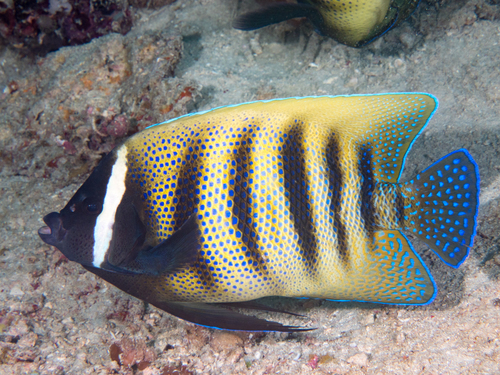
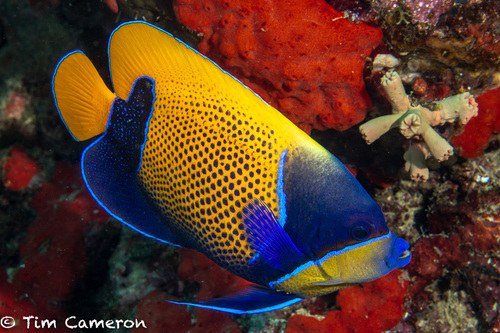
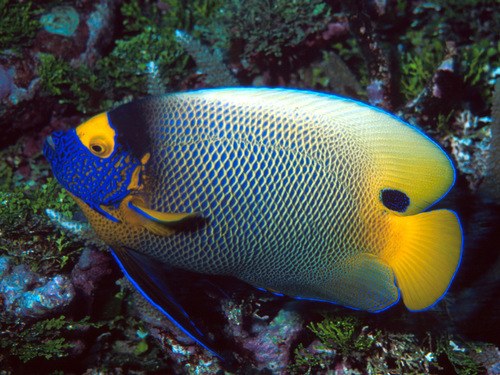
Photo credits
Photo 1
Adult Blue-ring Angelfish reference; not offered stock, exact sale size or sex guarantee. Original iNaturalist source photograph unchanged; no local edits.
Photo: portioid · Pomacanthus annularis — iNaturalist photo 326869137 · CC BY 4.0