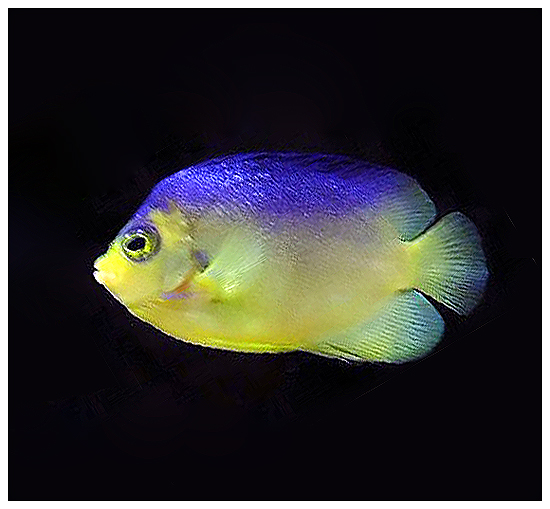
Cocos-Keeling angelfish/Blueback Pygmy Angelfish
centropyge colini
In Stock
Common stock
Wild Caught
Moderate care
With Caution
SKU: ML-MF-0047
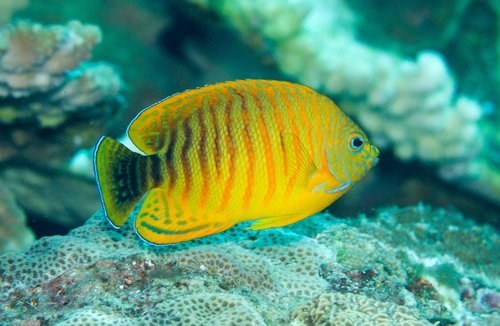
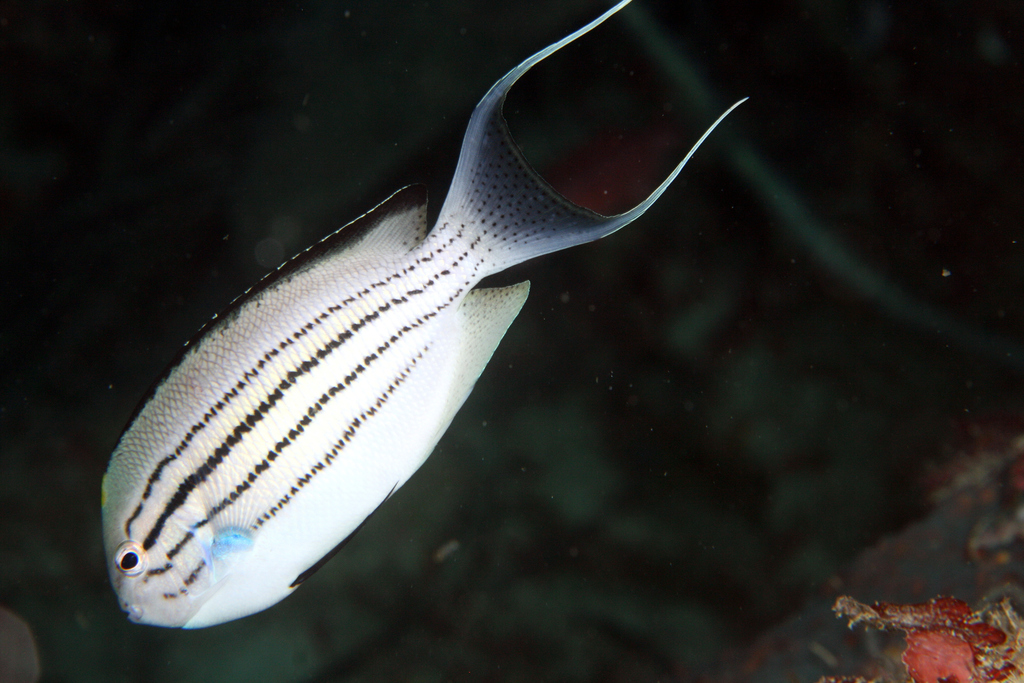
The Cocos-Keeling angelfish is a stunning, vibrant marine fish, prized for its unique coloration and peaceful demeanor.
Pricing for Verified Importers
Log in to see wholesale prices and order.
Export Size
up to 10.0 cm
Origin
Coral Triangle
Temperature
24.0–28.0°C
Min. Tank Size
150 L
Salinity
1.020–1.025 ppt
pH
8.10–8.40
Diet
omnivore
The Cocos-Keeling angelfish, scientifically known as Centropyge colini, is a captivating species found primarily in the coral reefs of the Cocos (Keeling) Islands. This small angelfish is notable for its vibrant blue back and striking yellow and white patterns, making it a popular choice among marine aquarium enthusiasts. Its compact size, typically reaching up to 10 cm in length, allows it to thrive in smaller aquascapes, provided they are well-maintained and appropriately decorated with live rock and coral structures.
In its natural habitat, the Cocos-Keeling angelfish is often observed in shallow waters, where it weaves through the reef's nooks and crannies. This species is known for its peaceful nature, usually cohabiting harmoniously with other small fish and invertebrates. Their diet in the wild primarily consists of algae, small invertebrates, and detritus, which they forage from the reef substrate. The Cocos-Keeling angelfish displays interesting behaviors such as establishing territories and engaging in social interactions with other reef dwellers, particularly during breeding seasons.
As a marine fish, the Cocos-Keeling angelfish prefers warm, clear waters typically found in tropical environments. They are most commonly located in depths of 5 to 30 meters, where the water is rich in nutrients and supports the diverse marine life they depend on. Conservation efforts are essential to ensure the sustainability of their populations, as habitat degradation and overfishing pose significant threats to their natural ecosystems.
The distinct appearance and peaceful demeanor of the Cocos-Keeling angelfish make it an attractive option for both novice and experienced aquarists. With proper care and an appropriate environment, these fish can thrive in captivity, offering a splash of color and life to any marine aquarium setup.
In its natural habitat, the Cocos-Keeling angelfish is often observed in shallow waters, where it weaves through the reef's nooks and crannies. This species is known for its peaceful nature, usually cohabiting harmoniously with other small fish and invertebrates. Their diet in the wild primarily consists of algae, small invertebrates, and detritus, which they forage from the reef substrate. The Cocos-Keeling angelfish displays interesting behaviors such as establishing territories and engaging in social interactions with other reef dwellers, particularly during breeding seasons.
As a marine fish, the Cocos-Keeling angelfish prefers warm, clear waters typically found in tropical environments. They are most commonly located in depths of 5 to 30 meters, where the water is rich in nutrients and supports the diverse marine life they depend on. Conservation efforts are essential to ensure the sustainability of their populations, as habitat degradation and overfishing pose significant threats to their natural ecosystems.
The distinct appearance and peaceful demeanor of the Cocos-Keeling angelfish make it an attractive option for both novice and experienced aquarists. With proper care and an appropriate environment, these fish can thrive in captivity, offering a splash of color and life to any marine aquarium setup.
To successfully maintain Cocos-Keeling angelfish in captivity, careful attention to water parameters is essential. The optimal temperature range for this species is between 24°C to 28°C, with a salinity level of 1.020 to 1.025 ppt. Maintaining a stable pH level between 8.1 and 8.4 is also crucial for their health. A minimum tank size of 150 liters is recommended, providing ample space for swimming and hiding.
Feeding the Cocos-Keeling angelfish requires a balanced diet rich in marine-based foods. A combination of high-quality pellets, frozen or live brine shrimp, and algae-based foods will ensure proper nutrition. It is important to feed them multiple small meals throughout the day to mimic their natural foraging behavior.
In terms of compatibility, these angelfish are generally peaceful but may exhibit territorial behavior, especially during breeding. They are best kept with other small, non-aggressive fish. Acclimation should be done gradually to reduce stress, and a quarantine period of at least two weeks is recommended to prevent the introduction of diseases into an established aquarium.
Feeding the Cocos-Keeling angelfish requires a balanced diet rich in marine-based foods. A combination of high-quality pellets, frozen or live brine shrimp, and algae-based foods will ensure proper nutrition. It is important to feed them multiple small meals throughout the day to mimic their natural foraging behavior.
In terms of compatibility, these angelfish are generally peaceful but may exhibit territorial behavior, especially during breeding. They are best kept with other small, non-aggressive fish. Acclimation should be done gradually to reduce stress, and a quarantine period of at least two weeks is recommended to prevent the introduction of diseases into an established aquarium.
Cocos-Keeling angelfish are suitable for shipping, provided they are packed carefully to minimize stress. It is recommended to maintain a packing density of 1 fish per 10 liters of water to ensure adequate space during transport. These fish are sensitive to temperature fluctuations, so maintaining a consistent temperature around 25°C during shipping is crucial. Currently, there are no CITES restrictions on this species, allowing for responsible trade.
Species Parameters
Max Adult Size
10.0 cm
Origin
Coral Triangle
Diet
omnivore
Temp Min
24.0 °C
Temp Max
28.0 °C
Salinity Min
1.020
Salinity Max
1.025
pH Min
8.10
pH Max
8.40
Min Tank
150 L