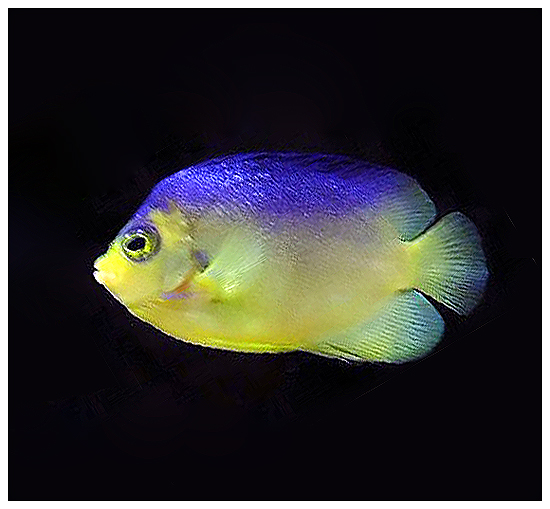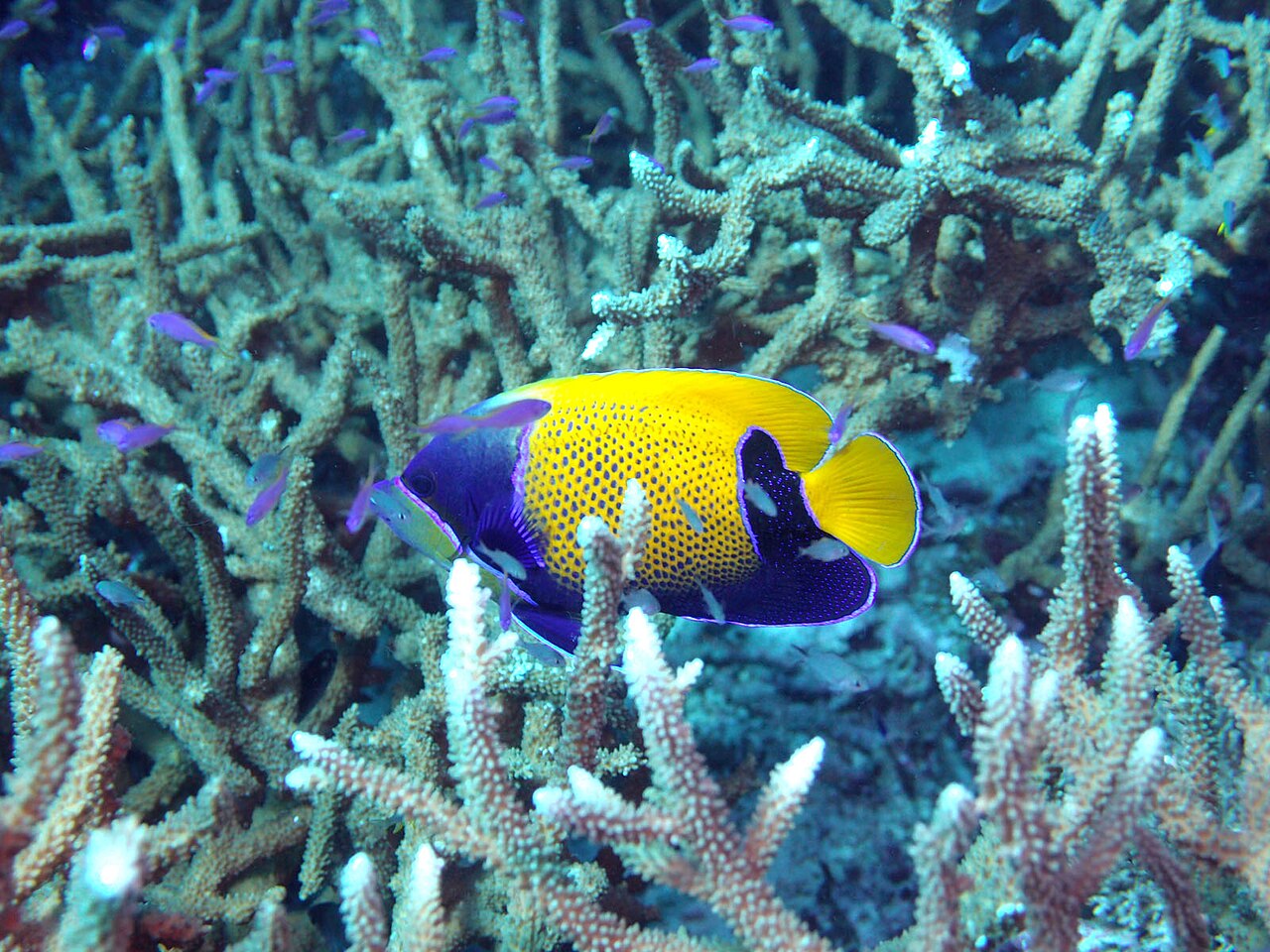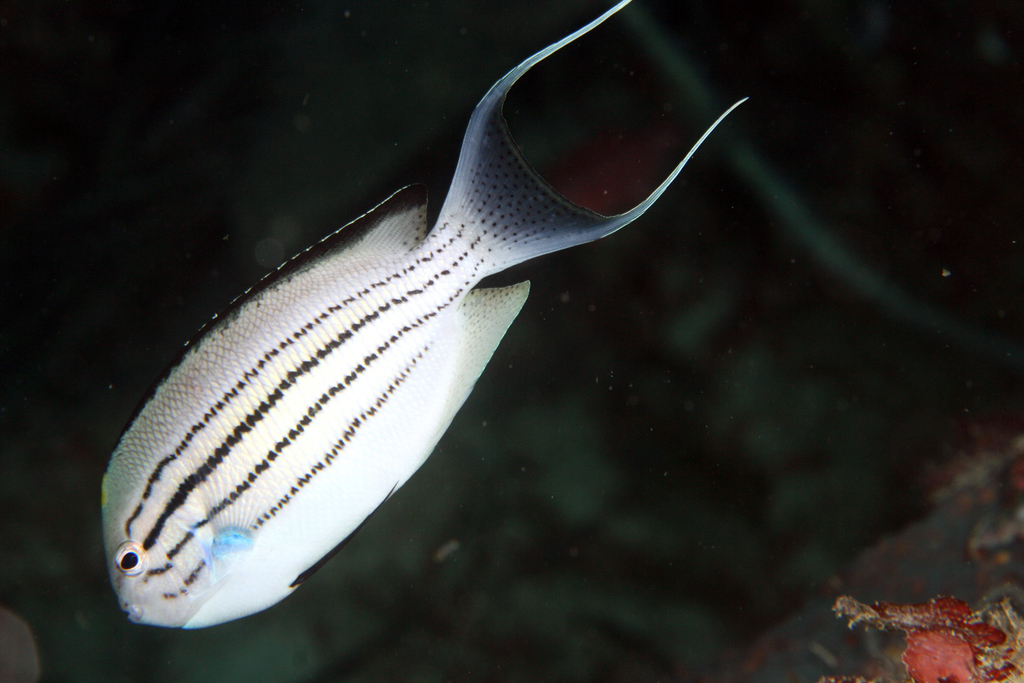
Zebra Lyretail Angelfish Male
genicanthus caudovittatus male
In Stock
Common stock
Wild Caught
Moderate care
With Caution
SKU: ML-MF-0039
The Zebra Lyretail Angelfish is a stunning marine species, known for its vibrant colors and graceful fins.
Pricing for Verified Importers
Log in to see wholesale prices and order.
Export Size
up to 15.0 cm
Origin
Indo-Pacific
Temperature
24.0–28.0°C
Min. Tank Size
300 L
Salinity
1.022–1.025 ppt
pH
8.10–8.40
Diet
omnivore
The Zebra Lyretail Angelfish (Genicanthus caudovittatus) is a captivating marine fish native to the coral reefs of the Indo-Pacific region. Males are particularly striking, displaying bright yellow and black vertical stripes that contrast beautifully with their elongated, lyre-shaped tails. This unique coloration not only serves as a visual delight for aquarists but also plays a role in their social interactions and mating displays. As a member of the angelfish family, they exhibit a graceful swimming style that adds elegance to any aquarium setup.
In the wild, these fish inhabit deeper reef environments, often found at depths ranging from 20 to 60 meters. They are known to form harem structures where one male mates with several females. Their natural behavior includes foraging for small invertebrates and algae among the coral, which contributes to the health of the reef ecosystem. Due to their specific habitat requirements, they thrive in well-established reef aquariums that mimic their natural environment.
Behaviorally, the Zebra Lyretail Angelfish is relatively peaceful, making it suitable for community tanks. However, males can become territorial, especially during breeding periods. It is essential to provide ample hiding spots and swimming space within the aquarium to accommodate their social dynamics. In addition, their natural diet consists mainly of zooplankton and algae, necessitating a varied feeding regimen in captivity to keep them healthy and vibrant.
Overall, the Zebra Lyretail Angelfish is not only a stunning visual addition to any marine aquarium but also plays a crucial role in promoting biodiversity and ecological balance within its environment. Its unique characteristics and social behaviors make it a favorite among aquarists and a valuable species for export.
In the wild, these fish inhabit deeper reef environments, often found at depths ranging from 20 to 60 meters. They are known to form harem structures where one male mates with several females. Their natural behavior includes foraging for small invertebrates and algae among the coral, which contributes to the health of the reef ecosystem. Due to their specific habitat requirements, they thrive in well-established reef aquariums that mimic their natural environment.
Behaviorally, the Zebra Lyretail Angelfish is relatively peaceful, making it suitable for community tanks. However, males can become territorial, especially during breeding periods. It is essential to provide ample hiding spots and swimming space within the aquarium to accommodate their social dynamics. In addition, their natural diet consists mainly of zooplankton and algae, necessitating a varied feeding regimen in captivity to keep them healthy and vibrant.
Overall, the Zebra Lyretail Angelfish is not only a stunning visual addition to any marine aquarium but also plays a crucial role in promoting biodiversity and ecological balance within its environment. Its unique characteristics and social behaviors make it a favorite among aquarists and a valuable species for export.
To ensure the well-being of the Zebra Lyretail Angelfish, maintaining optimal water conditions is crucial. Ideal water parameters include a temperature range of 24-28°C, salinity between 1.022 and 1.025 ppt, and a pH level of 8.1 to 8.4. Regular water changes and high water quality will support their health and vibrant coloration.
Feeding should consist of a diverse diet, including high-quality marine flakes, frozen or live brine shrimp, and spirulina-based foods to replicate their natural diet. A varied diet not only promotes health but also encourages natural behaviors. When introducing them to a new aquarium, a gradual acclimation process is necessary to minimize stress, which involves floating the sealed bag in the tank for about 15-20 minutes before releasing them into the new environment.
Compatibility-wise, the Zebra Lyretail Angelfish is generally peaceful but can exhibit territorial behavior towards similar species or during breeding. It's best to house them with other non-aggressive fish. Quarantine new arrivals for at least 2 weeks to monitor for any signs of disease before introducing them to the main display tank, ensuring a healthy and thriving community.
Ultimately, providing a suitable environment that mirrors their natural habitat, along with a balanced diet and careful monitoring, will lead to successful care of this stunning angelfish species.
Feeding should consist of a diverse diet, including high-quality marine flakes, frozen or live brine shrimp, and spirulina-based foods to replicate their natural diet. A varied diet not only promotes health but also encourages natural behaviors. When introducing them to a new aquarium, a gradual acclimation process is necessary to minimize stress, which involves floating the sealed bag in the tank for about 15-20 minutes before releasing them into the new environment.
Compatibility-wise, the Zebra Lyretail Angelfish is generally peaceful but can exhibit territorial behavior towards similar species or during breeding. It's best to house them with other non-aggressive fish. Quarantine new arrivals for at least 2 weeks to monitor for any signs of disease before introducing them to the main display tank, ensuring a healthy and thriving community.
Ultimately, providing a suitable environment that mirrors their natural habitat, along with a balanced diet and careful monitoring, will lead to successful care of this stunning angelfish species.
The Zebra Lyretail Angelfish is suitable for air shipping, provided they are packed in insulated bags with adequate oxygen and water. Optimal packing density is one fish per 5-10 liters to reduce stress during transit. Temperature sensitivity is a consideration, with a recommended shipping temperature between 24-26°C. This species is not listed under CITES, making export regulations more straightforward.
Species Parameters
Max Adult Size
15.0 cm
Origin
Indo-Pacific
Diet
omnivore
Temp Min
24.0 °C
Temp Max
28.0 °C
Salinity Min
1.022
Salinity Max
1.025
pH Min
8.10
pH Max
8.40
Min Tank
300 L