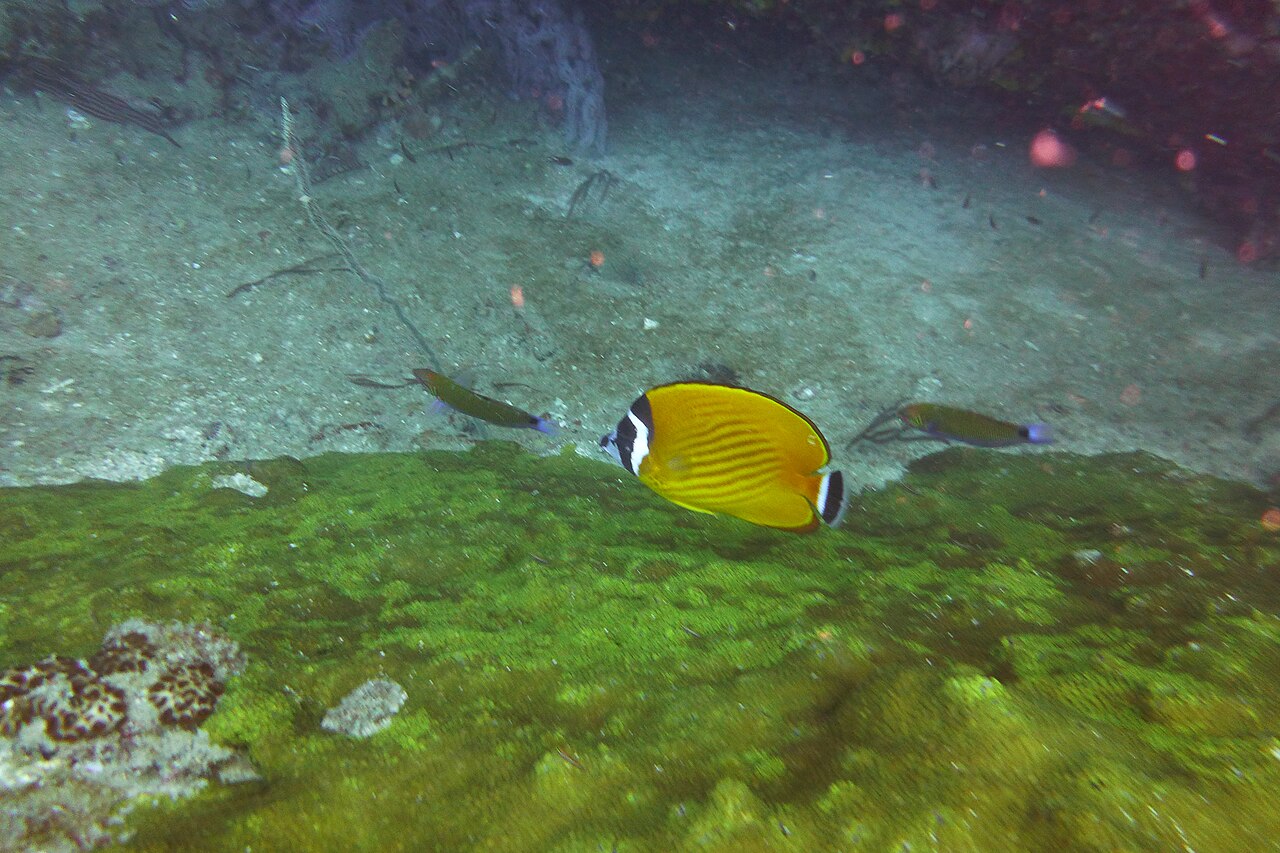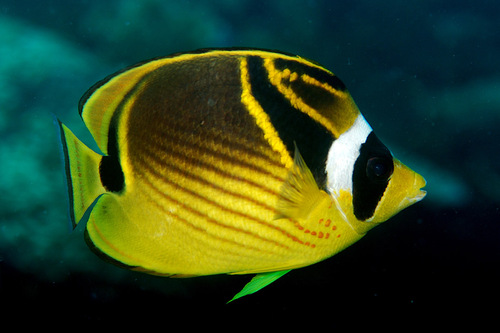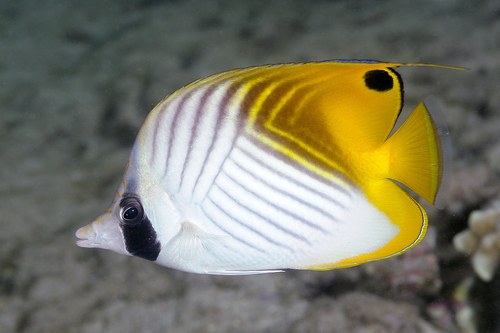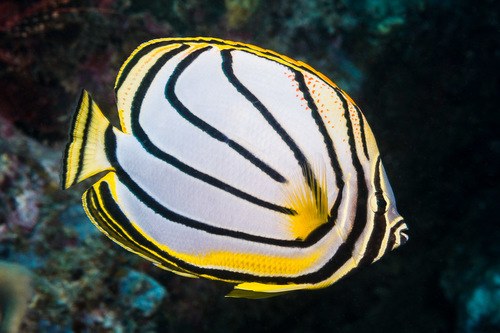
Copperband Butterfly
Chelmon rostratus
In Stock
Occasional stock
Wild Caught
Experienced care
Not Reef Safe
SKU: D041A
The Copperband Butterfly is known for its stunning appearance and unique feeding habits.
Pricing for Verified Importers
Log in to see wholesale prices and order.
Export Size
up to 23.0 cm
Origin
Indo-Pacific
Temperature
24.0–28.0°C
Min. Tank Size
200 L
Salinity
1.020–1.025 ppt
pH
8.10–8.40
Diet
carnivore
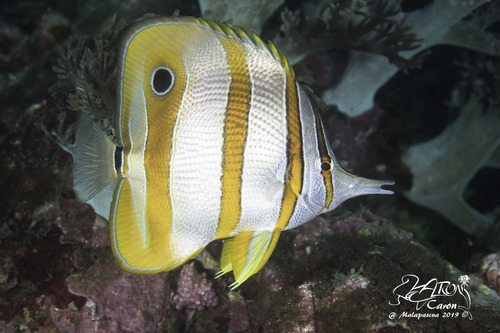
The Copperband Butterfly (Chelmon rostratus) is a striking marine fish native to the coral reefs of the Indo-Pacific region. Characterized by its elongated body and vibrant coloration, this species features distinctive coppery-orange bands that run vertically across its body, contrasting beautifully with its white background. This mesmerizing pattern not only enhances its aesthetic appeal but also serves as a form of camouflage among the corals and anemones in its natural habitat.
In the wild, the Copperband Butterfly typically inhabits shallow, reef environments, often found at depths of 1 to 30 meters. It thrives in areas rich in coral growth, where it can forage for its primary diet of small invertebrates, particularly flatworms and other pests that can affect coral health. This natural behavior makes it an excellent choice for aquarists looking to maintain a balanced reef ecosystem, as it can help control unwanted pests.
Behaviorally, the Copperband Butterfly is generally peaceful but can be territorial, especially when kept in smaller aquariums. It is known to be shy and may take some time to adapt to new surroundings. In a well-planned aquarium setup, it often displays fascinating swimming patterns and is particularly active during feeding times, making it a captivating addition to any marine display.
Due to its striking appearance and beneficial feeding habits, the Copperband Butterfly is highly sought after in the aquarium trade. However, it is essential to provide an environment that closely resembles its natural habitat to ensure its health and longevity in captivity.
In the wild, the Copperband Butterfly typically inhabits shallow, reef environments, often found at depths of 1 to 30 meters. It thrives in areas rich in coral growth, where it can forage for its primary diet of small invertebrates, particularly flatworms and other pests that can affect coral health. This natural behavior makes it an excellent choice for aquarists looking to maintain a balanced reef ecosystem, as it can help control unwanted pests.
Behaviorally, the Copperband Butterfly is generally peaceful but can be territorial, especially when kept in smaller aquariums. It is known to be shy and may take some time to adapt to new surroundings. In a well-planned aquarium setup, it often displays fascinating swimming patterns and is particularly active during feeding times, making it a captivating addition to any marine display.
Due to its striking appearance and beneficial feeding habits, the Copperband Butterfly is highly sought after in the aquarium trade. However, it is essential to provide an environment that closely resembles its natural habitat to ensure its health and longevity in captivity.
To successfully care for Copperband Butterflies, maintaining optimal water conditions is crucial. Ideal water temperature ranges from 24°C to 28°C, with a salinity level between 1.020 and 1.025 ppt. pH levels should be kept within the range of 8.1 to 8.4. A minimum tank size of 200 liters is recommended to provide ample space for swimming and foraging.
In terms of diet, Copperband Butterflies are primarily carnivorous and should be fed a varied diet that includes high-quality frozen foods, such as mysis shrimp, brine shrimp, and specialized butterflyfish preparations. Regular feeding, at least twice a day, is essential to maintain their health and vitality.
When introducing a Copperband Butterfly to an aquarium, acclimation is vital. A slow drip acclimation method is recommended to reduce stress. A quarantine period of at least two weeks is also advisable to monitor for any signs of illness before placing the fish in the main display tank. Compatibility with other fish species should be considered, as they can be territorial; therefore, it is best to house them with non-aggressive tank mates.
In summary, providing a stable and clean environment with appropriate tank mates and a varied diet will help ensure the Copperband Butterfly thrives in captivity.
In terms of diet, Copperband Butterflies are primarily carnivorous and should be fed a varied diet that includes high-quality frozen foods, such as mysis shrimp, brine shrimp, and specialized butterflyfish preparations. Regular feeding, at least twice a day, is essential to maintain their health and vitality.
When introducing a Copperband Butterfly to an aquarium, acclimation is vital. A slow drip acclimation method is recommended to reduce stress. A quarantine period of at least two weeks is also advisable to monitor for any signs of illness before placing the fish in the main display tank. Compatibility with other fish species should be considered, as they can be territorial; therefore, it is best to house them with non-aggressive tank mates.
In summary, providing a stable and clean environment with appropriate tank mates and a varied diet will help ensure the Copperband Butterfly thrives in captivity.
Copperband Butterflies are sensitive to temperature fluctuations, so maintaining a stable temperature between 24°C and 28°C during shipping is essential. Packing density should be low to minimize stress; ideally, one fish per 10 liters of water. These fish are not listed under CITES, but proper handling and care during transport are necessary to ensure their health upon arrival.
Species Parameters
Max Adult Size
23.0 cm
Origin
Indo-Pacific
Habitat
reef
Diet
carnivore
Temp Min
24.0 °C
Temp Max
28.0 °C
Salinity Min
1.020
Salinity Max
1.025
pH Min
8.10
pH Max
8.40
Min Tank
200 L