Saddleback Butterfly
Chaetodon ephippium
In Stock
Common stock
Wild Caught
Moderate care
With Caution
SKU: CB-MF-0033
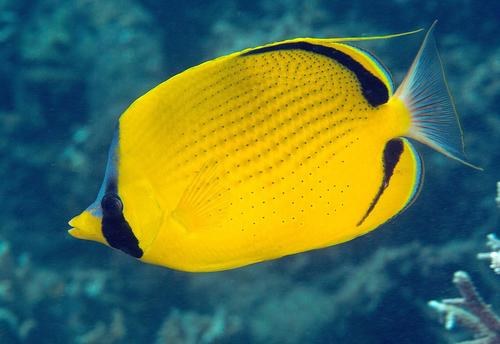
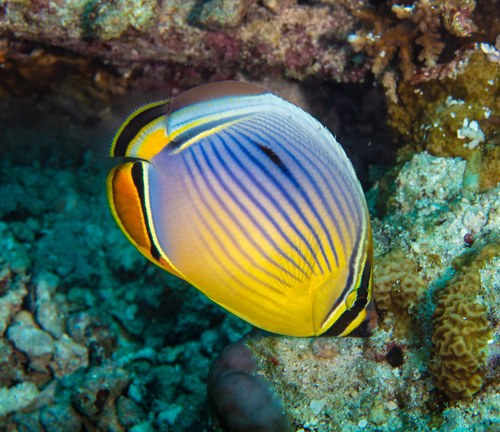
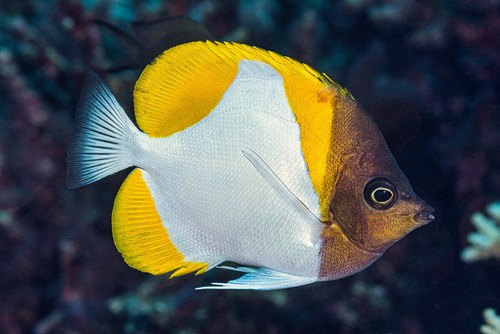
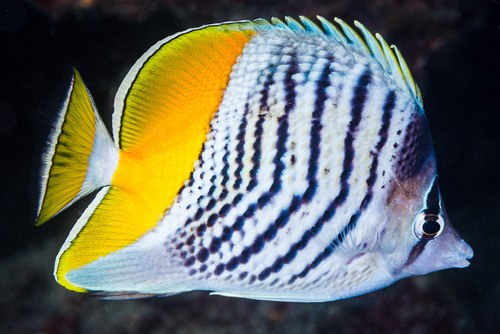
The Saddleback Butterfly is a striking marine fish known for its unique coloration and vibrant patterns.
Pricing for Verified Importers
Log in to see wholesale prices and order.
Export Size
up to 20.0 cm
Origin
Indo-Pacific
Temperature
24.0–28.0°C
Min. Tank Size
200 L
Salinity
1.020–1.025 ppt
pH
8.10–8.40
Diet
omnivore
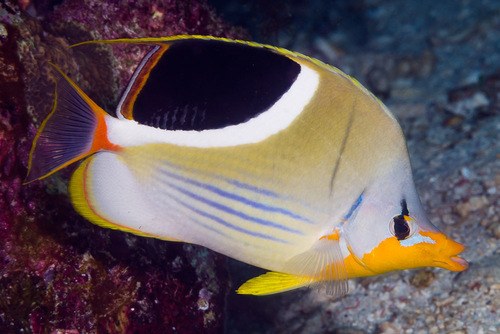
The Saddleback Butterfly (Chaetodon ephippium) is a captivating marine species that belongs to the family Chaetodontidae. This butterflyfish is characterized by its distinctive saddle-shaped black marking behind the eye, which gives it its common name. Found across the Indian and Pacific Oceans, its range extends from Sri Lanka and the Cocos-Keeling Islands to far-reaching locales like Hawaii, Marquesas, and Tuamotu Islands. The species thrives in coral-rich environments, where it can be observed gracefully gliding among the reefs.
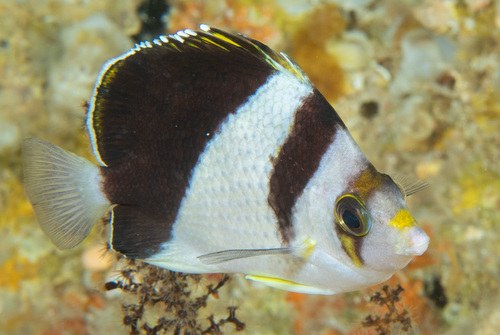
In terms of appearance, the Saddleback Butterfly showcases a beautiful palette of yellow and black, with a white body that stands out against the vibrant corals of its habitat. Adults can reach a maximum size of about 20 cm, with juveniles displaying a more muted coloration that gradually develops into the striking patterns seen in mature fish. Their body shape is laterally compressed, typical of butterflyfish, allowing them to maneuver skillfully through tight spaces in the reef.
Behaviorally, the Saddleback Butterfly is known for its territorial nature, often seen in pairs or small groups. They primarily feed on coral polyps and small invertebrates, showcasing their importance in the reef ecosystem as both grazers and prey. Their presence contributes to the health of coral systems, as they help maintain the balance of the marine environment. The species is generally considered peaceful but can be aggressive toward others of the same species.
The natural habitat of the Saddleback Butterfly includes coral reefs, where they prefer shallow, clear waters with ample sunlight. They are often found at depths ranging from 1 to 30 meters, making them a favorite among divers and snorkelers. Their reliance on healthy coral ecosystems means their populations can be affected by environmental changes, emphasizing the need for sustainable practices in marine life exportation.
In terms of appearance, the Saddleback Butterfly showcases a beautiful palette of yellow and black, with a white body that stands out against the vibrant corals of its habitat. Adults can reach a maximum size of about 20 cm, with juveniles displaying a more muted coloration that gradually develops into the striking patterns seen in mature fish. Their body shape is laterally compressed, typical of butterflyfish, allowing them to maneuver skillfully through tight spaces in the reef.
Behaviorally, the Saddleback Butterfly is known for its territorial nature, often seen in pairs or small groups. They primarily feed on coral polyps and small invertebrates, showcasing their importance in the reef ecosystem as both grazers and prey. Their presence contributes to the health of coral systems, as they help maintain the balance of the marine environment. The species is generally considered peaceful but can be aggressive toward others of the same species.
The natural habitat of the Saddleback Butterfly includes coral reefs, where they prefer shallow, clear waters with ample sunlight. They are often found at depths ranging from 1 to 30 meters, making them a favorite among divers and snorkelers. Their reliance on healthy coral ecosystems means their populations can be affected by environmental changes, emphasizing the need for sustainable practices in marine life exportation.
For optimal care of the Saddleback Butterfly in captivity, maintain water parameters within a temperature range of 24-28°C, with a salinity of 1.020-1.025 ppt. A pH level between 8.1 and 8.4 is ideal. This species requires a minimum tank size of 200 liters to accommodate their swimming needs and territorial behavior. Providing an aquarium rich in live rock and coral structures will mimic their natural habitat and promote comfort and health.
Feeding the Saddleback Butterfly is critical for its health; a varied diet consisting of high-quality marine flakes, frozen or live foods such as brine shrimp, and a mix of hard and soft corals will ensure nutritional balance. They are omnivorous and may require specific supplements to thrive. Compatibility with other species is generally good, but it's advisable to avoid mixing them with aggressive or similarly colored fish to reduce territorial disputes.
Acclimation should be gradual; introduce the fish slowly to the aquarium environment to reduce stress. Quarantine new arrivals for at least two weeks to monitor for diseases and ensure they are healthy before introducing them to the main display tank. Regular monitoring of water quality and stable environmental conditions will contribute significantly to the well-being of the Saddleback Butterfly.
Feeding the Saddleback Butterfly is critical for its health; a varied diet consisting of high-quality marine flakes, frozen or live foods such as brine shrimp, and a mix of hard and soft corals will ensure nutritional balance. They are omnivorous and may require specific supplements to thrive. Compatibility with other species is generally good, but it's advisable to avoid mixing them with aggressive or similarly colored fish to reduce territorial disputes.
Acclimation should be gradual; introduce the fish slowly to the aquarium environment to reduce stress. Quarantine new arrivals for at least two weeks to monitor for diseases and ensure they are healthy before introducing them to the main display tank. Regular monitoring of water quality and stable environmental conditions will contribute significantly to the well-being of the Saddleback Butterfly.
The Saddleback Butterfly is suitable for shipping due to its hardy nature. For optimal transport, maintain a water temperature of 22-25°C and pack at a density of 1 fish per 10 liters. Ensure adequate oxygenation during transit. The species is not listed under CITES, making export regulations more straightforward, but compliance with local and international laws is essential.
Species Parameters
Max Adult Size
20.0 cm
Origin
Indo-Pacific
Diet
omnivore
Temp Min
24.0 °C
Temp Max
28.0 °C
Salinity Min
1.020
Salinity Max
1.025
pH Min
8.10
pH Max
8.40
Min Tank
200 L