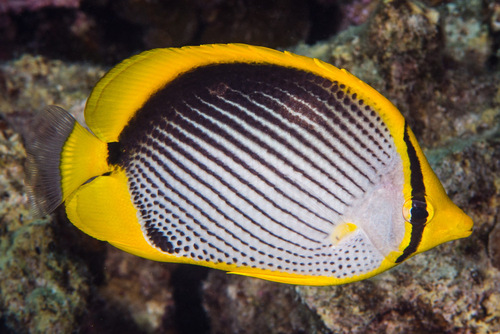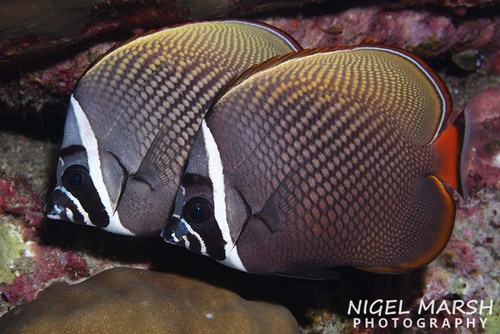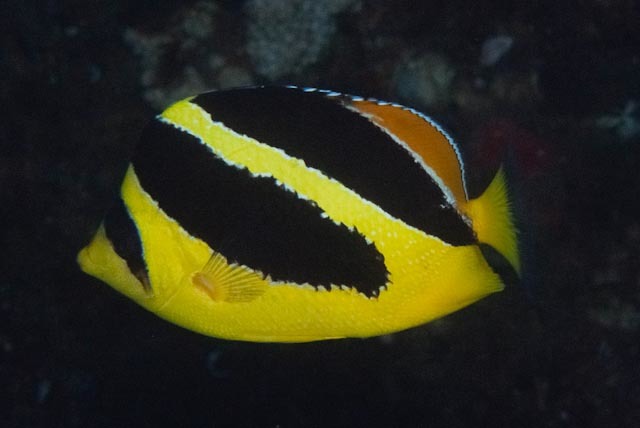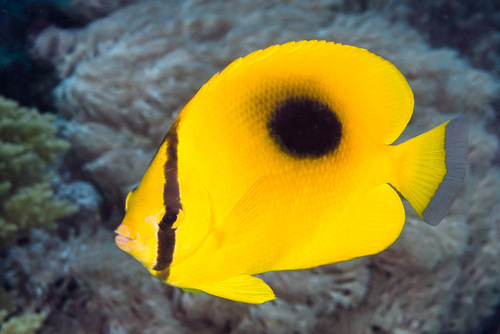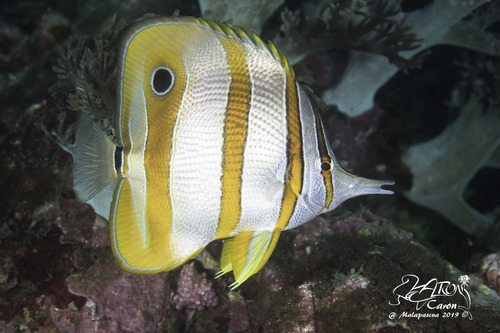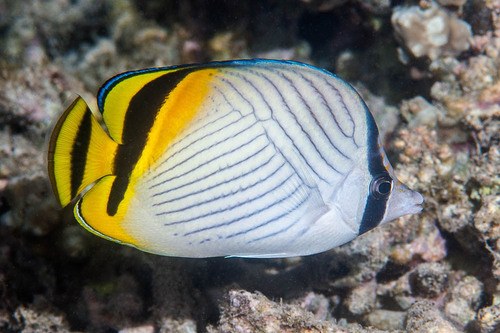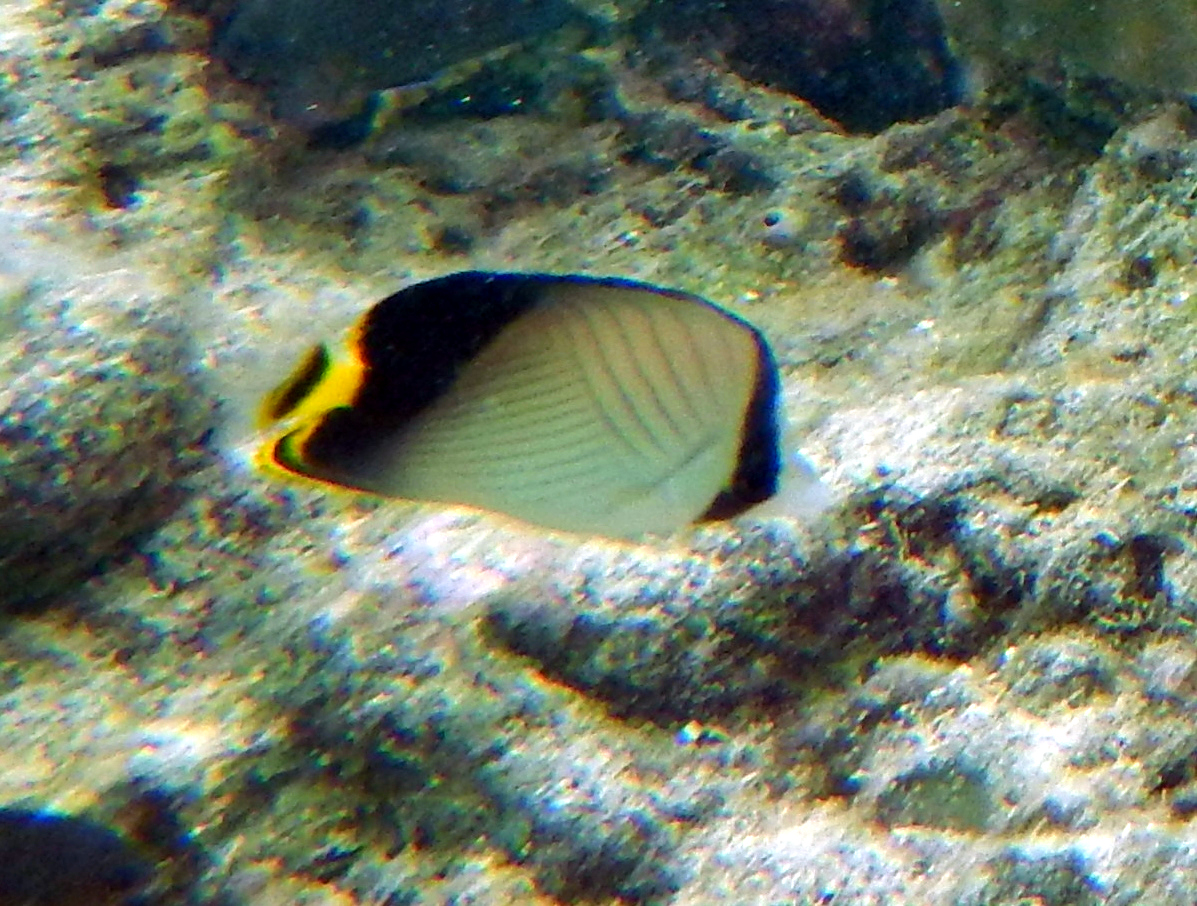
Indian vagabond/Black - Finned Butterfly Fish
chaetodon decussatus
In Stock
Common stock
Wild Caught
Moderate care
With Caution
SKU: ML-MF-0138
The Indian vagabond butterfly fish is known for its striking coloration and unique fin structure.
Pricing for Verified Importers
Log in to see wholesale prices and order.
Export Size
up to 15.0 cm
Origin
Indo-Pacific
Temperature
24.0–28.0°C
Min. Tank Size
200 L
Salinity
35.000–37.000 ppt
pH
8.10–8.40
Diet
carnivore
The Indian vagabond butterfly fish (Chaetodon decussatus) is a vibrant marine species native to the tropical waters of the Indo-Pacific region. This fish is renowned for its distinctive black fins and striking yellow and white body coloration, making it a popular choice among aquarium enthusiasts. Its unique appearance is complemented by its laterally compressed body, which allows it to maneuver gracefully among coral reefs. The species can typically be found in shallow waters, where it inhabits reef environments rich in coral diversity.
In terms of behavior, the Indian vagabond butterfly fish is known for its inquisitive nature and diurnal activity patterns. It primarily feeds on small invertebrates, including coral polyps, which it skillfully extracts from the crevices of the reef. This feeding habit not only influences its dietary needs but also plays a crucial role in maintaining the health of coral ecosystems by controlling the population of certain invertebrates.
The habitat of the Indian vagabond butterfly fish is typically characterized by clear, warm waters, with a preference for areas with abundant coral cover. They are often seen in pairs or small groups, reflecting a social structure that aids in foraging and predator avoidance. The species thrives in environments where they can find shelter among the reefs, which also serve as a breeding ground.
Overall, the Indian vagabond butterfly fish is a captivating species that embodies the beauty and complexity of marine ecosystems. Its striking appearance, coupled with its ecological role, makes it a valuable addition to both public aquariums and private collections.
In terms of behavior, the Indian vagabond butterfly fish is known for its inquisitive nature and diurnal activity patterns. It primarily feeds on small invertebrates, including coral polyps, which it skillfully extracts from the crevices of the reef. This feeding habit not only influences its dietary needs but also plays a crucial role in maintaining the health of coral ecosystems by controlling the population of certain invertebrates.
The habitat of the Indian vagabond butterfly fish is typically characterized by clear, warm waters, with a preference for areas with abundant coral cover. They are often seen in pairs or small groups, reflecting a social structure that aids in foraging and predator avoidance. The species thrives in environments where they can find shelter among the reefs, which also serve as a breeding ground.
Overall, the Indian vagabond butterfly fish is a captivating species that embodies the beauty and complexity of marine ecosystems. Its striking appearance, coupled with its ecological role, makes it a valuable addition to both public aquariums and private collections.
When considering the care of the Indian vagabond butterfly fish, it is essential to replicate its natural habitat as closely as possible. Ideal water parameters include a temperature range of 24-28°C, a salinity level between 1.020-1.025 ppt, and a pH level of 8.1-8.4. A well-maintained reef tank with plenty of hiding spots and live rock is crucial for the fish's comfort and health.
Feeding should consist of a varied diet that includes high-quality marine flakes, spirulina, and live or frozen foods such as brine shrimp or mysis shrimp. It is important to ensure that the food is small enough for the fish to consume easily. Compatibility with other species should be considered, as the Indian vagabond butterfly fish can be territorial; therefore, it is best housed with similarly sized and temperamental species.
Acclimation is a critical process; gradual introduction to the aquarium environment is recommended to reduce stress. A quarantine period of at least two weeks is advisable to monitor for any signs of disease before introducing the fish to the main display tank. Regular water quality checks and maintenance will contribute to the long-term health of this beautiful species.
Feeding should consist of a varied diet that includes high-quality marine flakes, spirulina, and live or frozen foods such as brine shrimp or mysis shrimp. It is important to ensure that the food is small enough for the fish to consume easily. Compatibility with other species should be considered, as the Indian vagabond butterfly fish can be territorial; therefore, it is best housed with similarly sized and temperamental species.
Acclimation is a critical process; gradual introduction to the aquarium environment is recommended to reduce stress. A quarantine period of at least two weeks is advisable to monitor for any signs of disease before introducing the fish to the main display tank. Regular water quality checks and maintenance will contribute to the long-term health of this beautiful species.
The Indian vagabond butterfly fish is suitable for shipping due to its hardy nature, but care must be taken to maintain optimal conditions. Packing density should allow for adequate oxygenation and movement, while temperatures should be kept stable between 24-28°C during transit. The species is not listed under CITES, making it easier for exporters to manage compliance during shipping.
Species Parameters
Max Adult Size
15.0 cm
Origin
Indo-Pacific
Diet
carnivore
Temp Min
24.0 °C
Temp Max
28.0 °C
Salinity Min
35.000
Salinity Max
37.000
pH Min
8.10
pH Max
8.40
Min Tank
200 L