Philipphine Butterflyfish
Chaetodon adiergastos
In Stock
Common stock
Wild Caught
Moderate care
With Caution
SKU: CB-MF-0052
Discover the vibrant Philippine Butterflyfish, a stunning marine gem from Bali's reefs.
Pricing for Verified Importers
Log in to see wholesale prices and order.
Export Size
up to 20.0 cm
Origin
Coral Triangle
Temperature
24.0–28.0°C
Min. Tank Size
200 L
Salinity
1.020–1.025 ppt
pH
8.10–8.40
Diet
omnivore
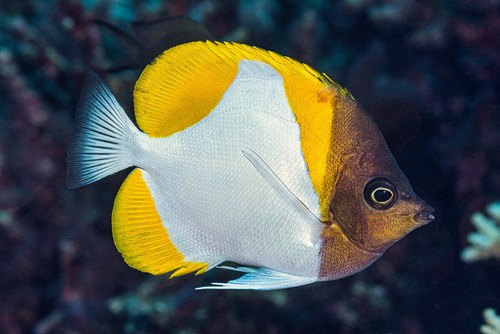
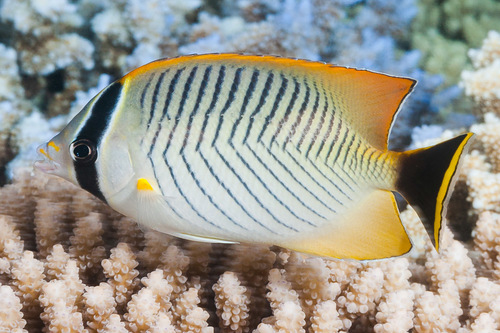
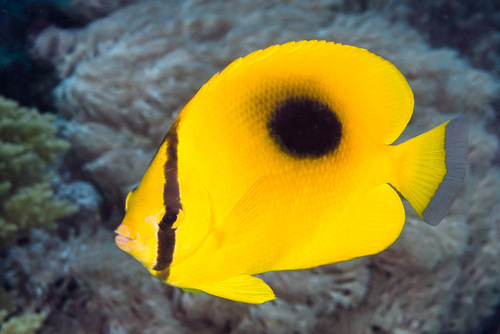
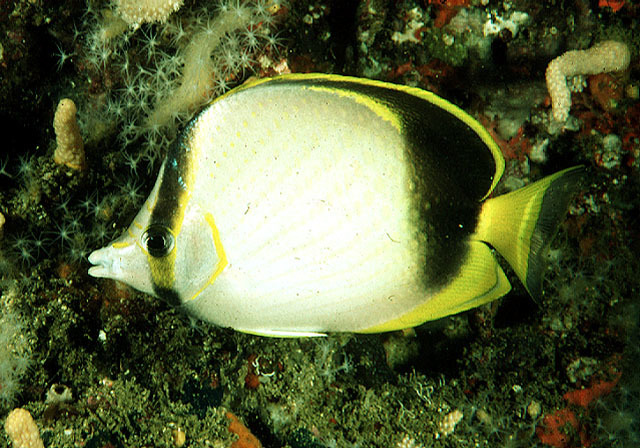
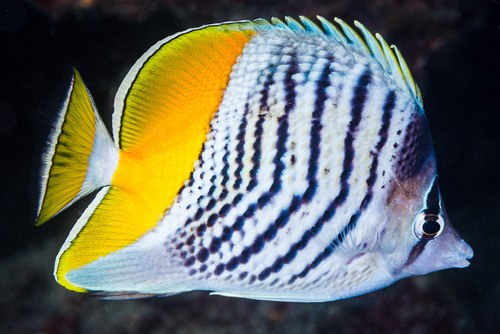
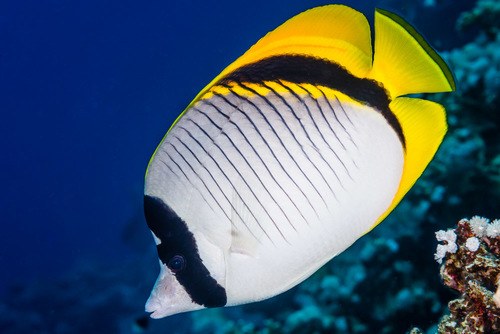
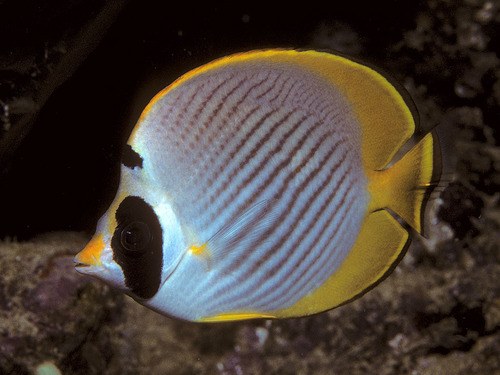
The Philippine Butterflyfish (Chaetodon adiergastos) is a striking marine species renowned for its vibrant coloration and distinctive markings. This butterflyfish exhibits a unique pattern of yellow, black, and white, making it an attractive addition to any reef aquarium. Its compressed body shape and elongated fins enhance its swimming agility, allowing it to navigate through complex coral structures with ease. They grow to a maximum length of about 20 cm, making them a medium-sized fish ideal for various marine setups.
In the wild, the Philippine Butterflyfish is commonly found in shallow, tropical reef environments, often near coral heads where they can forage for food. They primarily feed on small invertebrates, including coral polyps and zooplankton, showcasing their role in the ecosystem as both grazers and predators. Their natural habitat contributes to their vibrant coloration, as they rely on the cover of corals for protection from predators.
Behaviorally, these fish are known for their inquisitive nature and can often be seen swimming in pairs or small groups. They are generally peaceful, making them suitable for community tanks with other non-aggressive species. However, they can be territorial when it comes to their feeding areas, particularly in smaller tanks, so ample space and hiding spots are essential for maintaining harmony.
The Philippine Butterflyfish plays an essential role in the balance of reef ecosystems, contributing to coral health by controlling algal growth. Their presence in aquariums not only adds beauty but also introduces a dynamic element to the aquatic environment, as their lively movements and interactions can captivate viewers.
In the wild, the Philippine Butterflyfish is commonly found in shallow, tropical reef environments, often near coral heads where they can forage for food. They primarily feed on small invertebrates, including coral polyps and zooplankton, showcasing their role in the ecosystem as both grazers and predators. Their natural habitat contributes to their vibrant coloration, as they rely on the cover of corals for protection from predators.
Behaviorally, these fish are known for their inquisitive nature and can often be seen swimming in pairs or small groups. They are generally peaceful, making them suitable for community tanks with other non-aggressive species. However, they can be territorial when it comes to their feeding areas, particularly in smaller tanks, so ample space and hiding spots are essential for maintaining harmony.
The Philippine Butterflyfish plays an essential role in the balance of reef ecosystems, contributing to coral health by controlling algal growth. Their presence in aquariums not only adds beauty but also introduces a dynamic element to the aquatic environment, as their lively movements and interactions can captivate viewers.
To successfully care for the Philippine Butterflyfish, maintain stable water parameters: temperature should range between 24°C to 28°C, salinity around 1.020 to 1.025 ppt, and pH levels between 8.1 and 8.4. A well-established reef tank of at least 200 liters is recommended to provide adequate swimming space and territorial boundaries. Quality filtration and regular water changes will help maintain optimal conditions.
Feeding should consist of a varied diet, including high-quality marine flakes, frozen or live foods such as brine shrimp, and small pieces of chopped seafood to ensure proper nutrition. It's essential to feed them multiple times a day in small amounts to mimic their natural foraging behavior. Compatibility is generally good with other peaceful species, but avoid keeping them with overly aggressive fish.
Acclimation should be conducted slowly to minimize stress, ideally over a few hours, using a drip acclimation method. Quarantine new arrivals for at least two weeks to observe for any signs of disease and to prevent potential outbreaks in the main display tank. Regular monitoring of the fish's health and behavior is crucial for ensuring their well-being.
Feeding should consist of a varied diet, including high-quality marine flakes, frozen or live foods such as brine shrimp, and small pieces of chopped seafood to ensure proper nutrition. It's essential to feed them multiple times a day in small amounts to mimic their natural foraging behavior. Compatibility is generally good with other peaceful species, but avoid keeping them with overly aggressive fish.
Acclimation should be conducted slowly to minimize stress, ideally over a few hours, using a drip acclimation method. Quarantine new arrivals for at least two weeks to observe for any signs of disease and to prevent potential outbreaks in the main display tank. Regular monitoring of the fish's health and behavior is crucial for ensuring their well-being.
The Philippine Butterflyfish is suitable for shipping, provided that proper packing methods are employed to minimize stress during transport. Use insulated boxes with appropriate water volume to maintain stable temperatures, ideally between 24°C to 27°C. Ensure that the fish are packed with sufficient oxygen and water to sustain them during transit. This species is not listed under CITES, making export regulations more straightforward.
Species Parameters
Max Adult Size
20.0 cm
Origin
Coral Triangle
Diet
omnivore
Temp Min
24.0 °C
Temp Max
28.0 °C
Salinity Min
1.020
Salinity Max
1.025
pH Min
8.10
pH Max
8.40
Min Tank
200 L