Gardner's Butterfly
chaetodon gardineri
In Stock
Common stock
Wild Caught
Moderate care
With Caution
SKU: ML-MF-0139
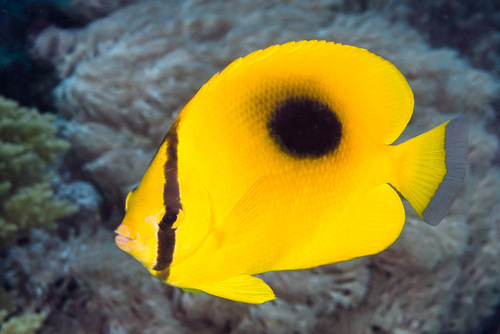
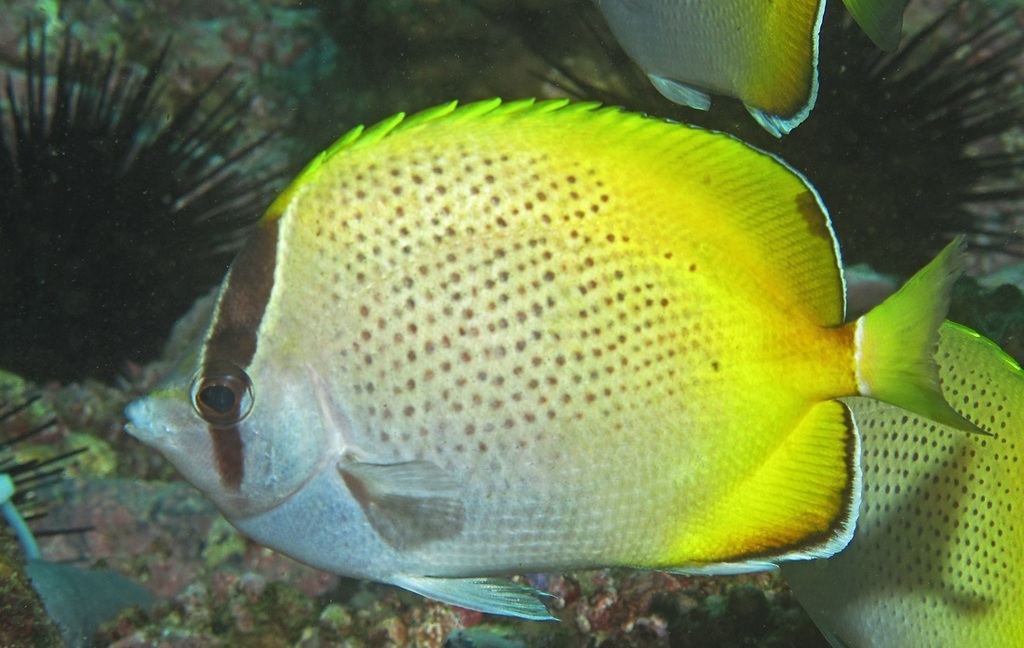
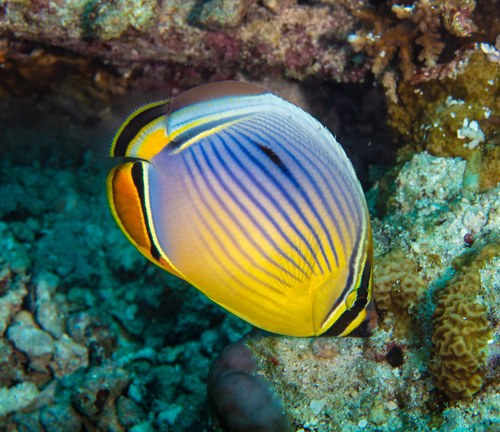
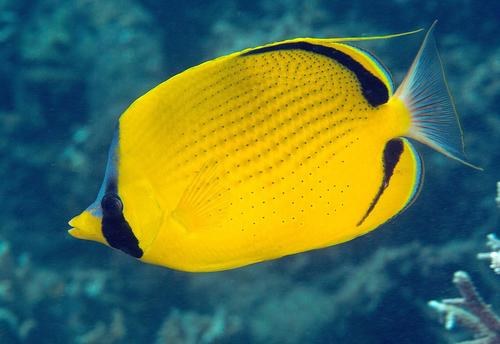
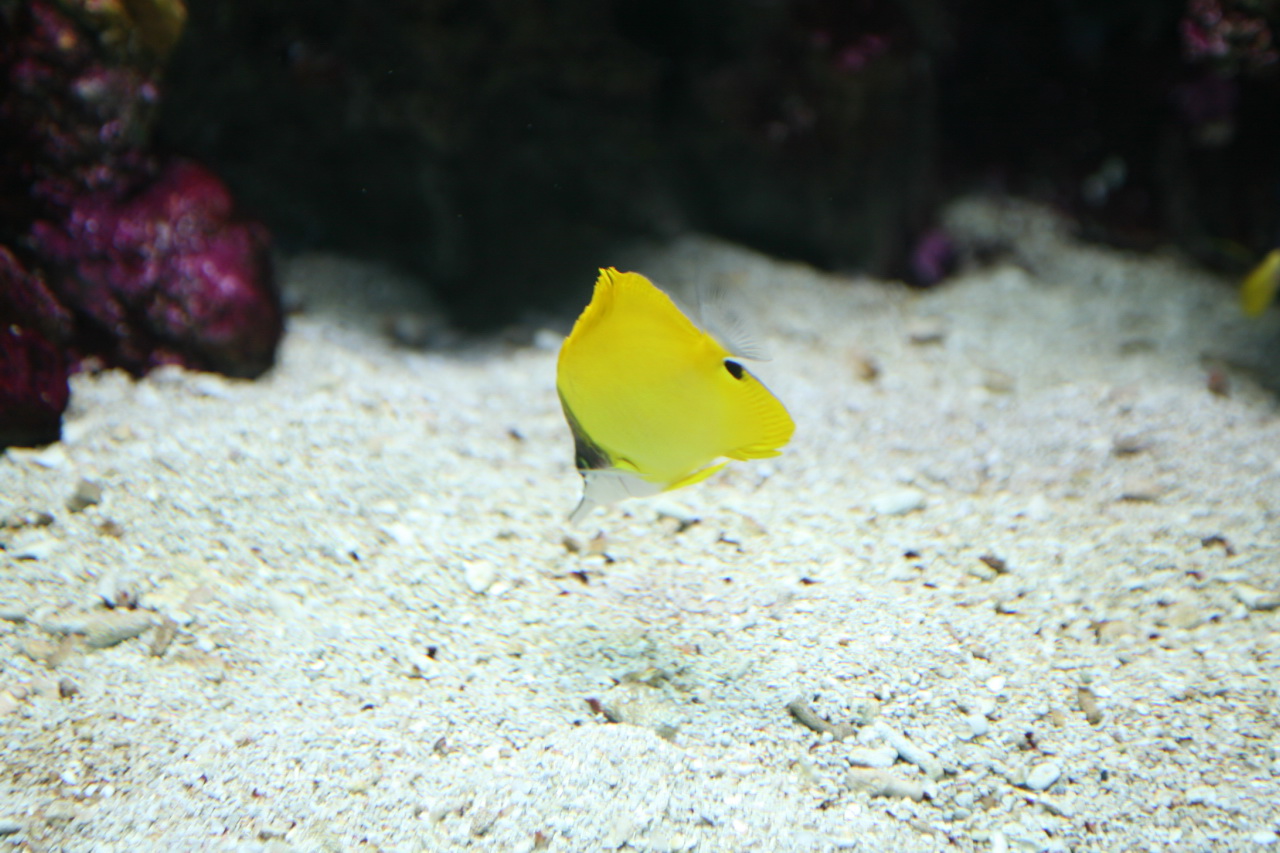
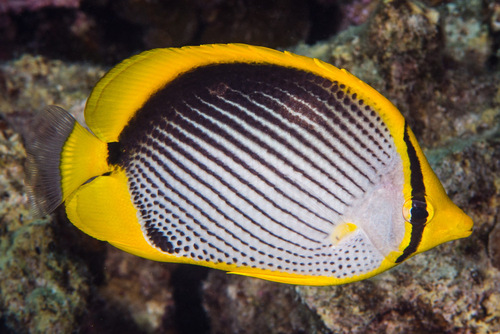
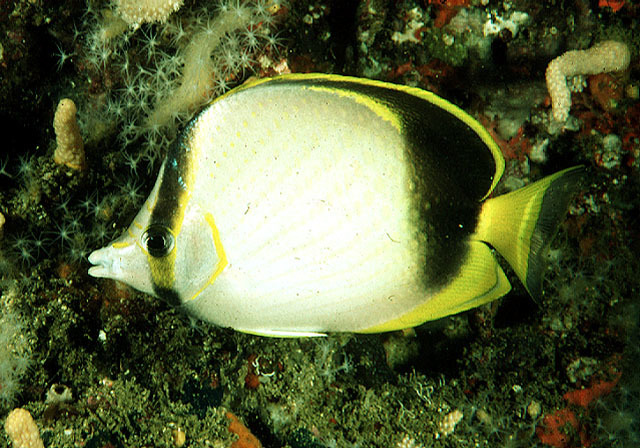
Gardner's Butterfly is a stunning marine fish known for its vibrant colors and unique patterns.
Pricing for Verified Importers
Log in to see wholesale prices and order.
Export Size
up to 15.0 cm
Origin
Coral Triangle
Temperature
24.0–28.0°C
Min. Tank Size
200 L
Salinity
1.020–1.025 ppt
pH
8.10–8.40
Diet
omnivore
Gardner's Butterfly (Chaetodon gardineri) is a captivating species of marine fish that inhabits the warm, shallow reefs of the Coral Triangle, primarily found in Indonesia. This butterflyfish is notable for its striking coloration, which features intricate yellow and black patterns that help it blend seamlessly into its coral environment, providing both camouflage from predators and a mesmerizing display for aquarists.
Typically reaching a maximum size of about 15 cm, Gardner's Butterfly showcases a laterally compressed body, which is characteristic of many butterflyfish. The species is often seen swimming in pairs or small groups, exhibiting a gentle demeanor and a tendency to hover near coral structures while foraging for food. Their behavior is generally peaceful, making them suitable for community tanks with other non-aggressive fish.
Gardner's Butterfly thrives in coral-rich habitats where it finds shelter and food. Its diet mainly consists of small invertebrates, including zooplankton and coral polyps. The species plays a critical role in the health of coral ecosystems by contributing to the balance of marine life in its environment. Observing this fish in its natural habitat reveals its intricate interactions with corals and other reef species, showcasing the dynamic relationships within marine ecosystems.
In the aquarium, Gardner's Butterfly is often prized for its beauty and the vibrant life it brings to reef setups. However, maintaining their health requires attention to their specific environmental needs, making them a rewarding challenge for experienced aquarists.
Typically reaching a maximum size of about 15 cm, Gardner's Butterfly showcases a laterally compressed body, which is characteristic of many butterflyfish. The species is often seen swimming in pairs or small groups, exhibiting a gentle demeanor and a tendency to hover near coral structures while foraging for food. Their behavior is generally peaceful, making them suitable for community tanks with other non-aggressive fish.
Gardner's Butterfly thrives in coral-rich habitats where it finds shelter and food. Its diet mainly consists of small invertebrates, including zooplankton and coral polyps. The species plays a critical role in the health of coral ecosystems by contributing to the balance of marine life in its environment. Observing this fish in its natural habitat reveals its intricate interactions with corals and other reef species, showcasing the dynamic relationships within marine ecosystems.
In the aquarium, Gardner's Butterfly is often prized for its beauty and the vibrant life it brings to reef setups. However, maintaining their health requires attention to their specific environmental needs, making them a rewarding challenge for experienced aquarists.
To successfully care for Gardner's Butterfly, it is essential to replicate their natural habitat as closely as possible. The recommended water parameters include a temperature range of 24-28°C, pH levels between 8.1 and 8.4, and salinity levels of 1.020-1.025 ppt. A minimum tank size of 200 liters is advised to provide adequate swimming space and territories.
Feeding should focus on a varied diet that includes high-quality marine flakes, frozen or live brine shrimp, and other small meaty foods to ensure proper nutrition. This species is known to be somewhat fussy about food, so providing a variety of options can help encourage feeding. Compatibility is generally good with other peaceful reef fish, but caution should be taken when introducing them to tanks with aggressive species.
Acclimating Gardner's Butterfly should be done slowly to minimize stress. A drip acclimation method over several hours is recommended. Quarantine new arrivals for at least two weeks to observe for any signs of disease and to prevent potential contamination of established tanks. Regular water quality testing and maintenance will further support the health and longevity of these beautiful fish.
Feeding should focus on a varied diet that includes high-quality marine flakes, frozen or live brine shrimp, and other small meaty foods to ensure proper nutrition. This species is known to be somewhat fussy about food, so providing a variety of options can help encourage feeding. Compatibility is generally good with other peaceful reef fish, but caution should be taken when introducing them to tanks with aggressive species.
Acclimating Gardner's Butterfly should be done slowly to minimize stress. A drip acclimation method over several hours is recommended. Quarantine new arrivals for at least two weeks to observe for any signs of disease and to prevent potential contamination of established tanks. Regular water quality testing and maintenance will further support the health and longevity of these beautiful fish.
Gardner's Butterfly is suitable for air shipping due to its hardiness. Packing density should allow for adequate space to minimize stress during transit, ideally no more than 1 fish per 5 liters of water. Temperature sensitivity requires careful monitoring, with a target range of 24-28°C during transport. This species is not listed under CITES, simplifying export logistics.
Species Parameters
Max Adult Size
15.0 cm
Origin
Coral Triangle
Diet
omnivore
Temp Min
24.0 °C
Temp Max
28.0 °C
Salinity Min
1.020
Salinity Max
1.025
pH Min
8.10
pH Max
8.40
Min Tank
200 L