Melon Butterfly
Chaetodon trifasciatus
In Stock
Common stock
Wild Caught
Moderate care
With Caution
SKU: CB-MF-0063
The Melon Butterfly is a vibrant marine fish known for its striking colors and unique patterns.
Pricing for Verified Importers
Log in to see wholesale prices and order.
Export Size
up to 20.0 cm
Origin
Indo-Pacific
Temperature
24.0–28.0°C
Min. Tank Size
200 L
Salinity
1.020–1.025 ppt
pH
8.10–8.40
Diet
carnivore
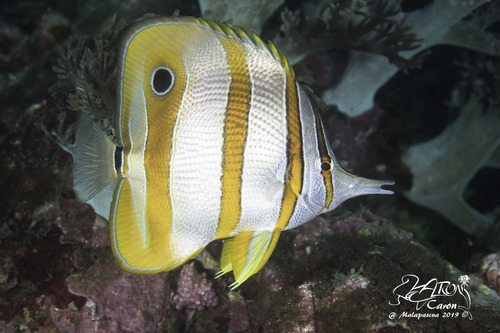
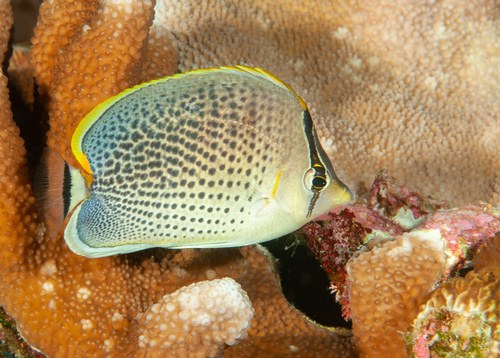
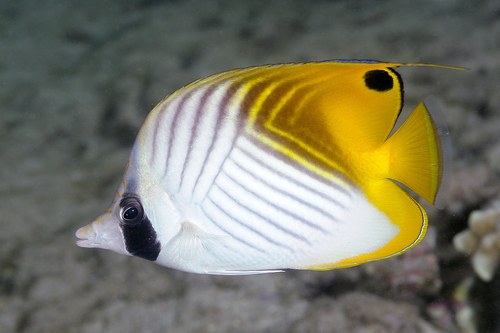
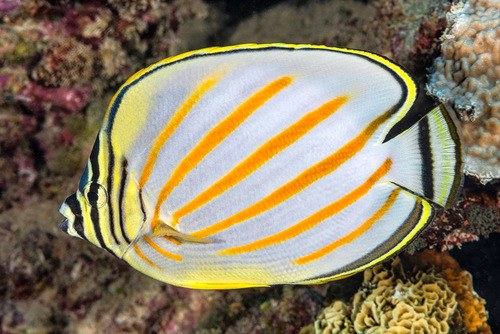
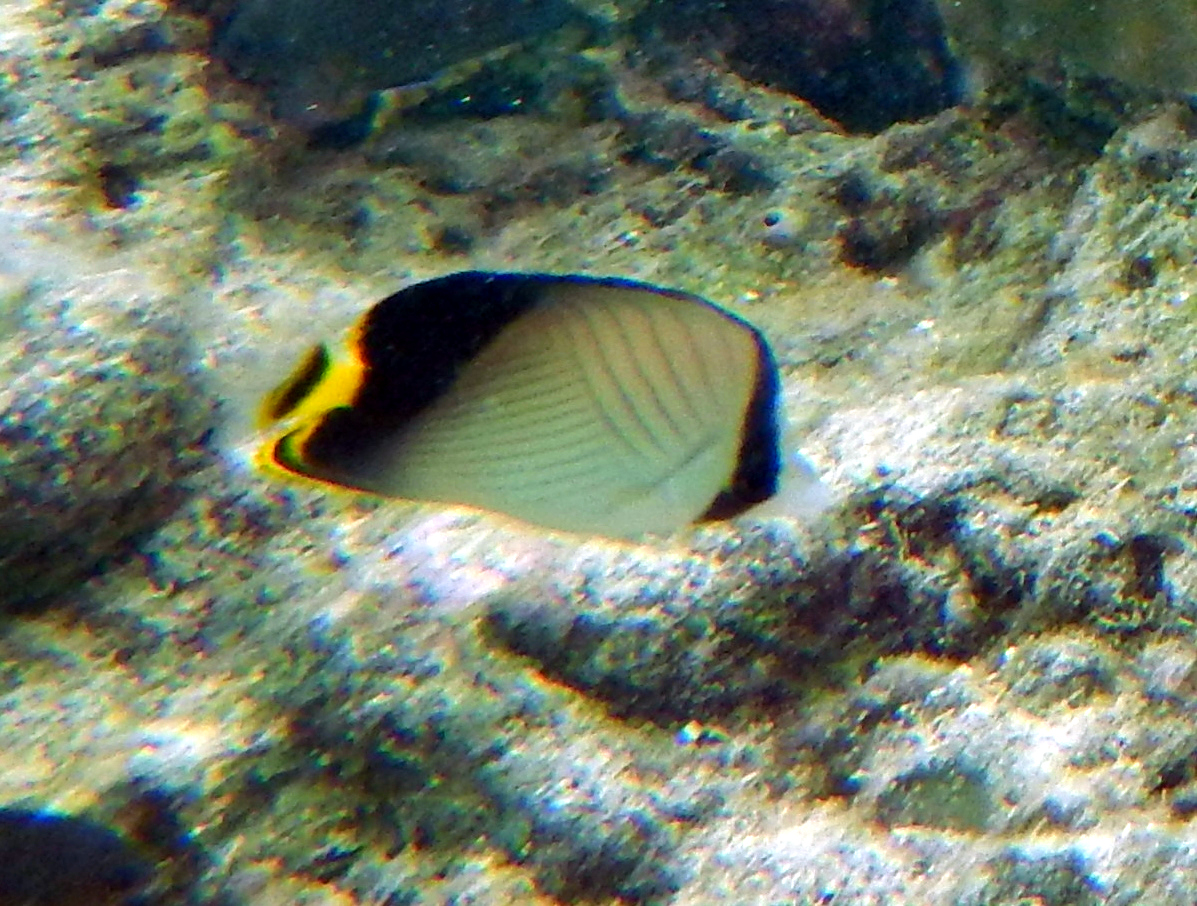
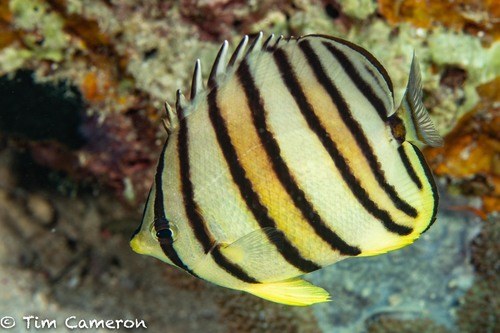
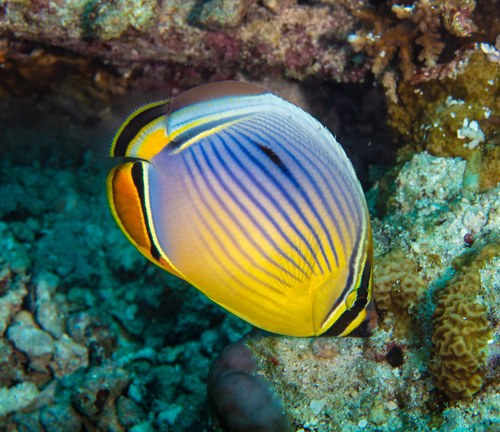
The Melon Butterfly (Chaetodon trifasciatus) is a stunning marine species native to the coral reefs of the Indo-Pacific region. This butterflyfish is characterized by its bold coloration, featuring a prominent yellow body adorned with black vertical stripes and a distinctive pattern that resembles a melon, hence its name. The combination of vibrant hues and intricate markings makes it a favorite among aquarists and collectors.
In the wild, Melon Butterflies inhabit shallow coral reefs where they feed primarily on small invertebrates, including coral polyps and zooplankton. They exhibit a fascinating behavior known as 'hovering,' where they remain stationary in the water column, allowing them to survey their surroundings for potential prey and predators. Socially, they are often found in pairs or small groups, showcasing their vibrant presence in the bustling reef ecosystem.
These fish thrive in warm, tropical waters and are typically found at depths ranging from 1 to 30 meters. Their preferred habitat consists of well-structured coral reefs, which provide both food sources and shelter from larger predatory fish. As reef dwellers, they play a crucial role in maintaining the health of the coral ecosystem by controlling the populations of their prey.
The Melon Butterfly is not only appreciated for its beauty but also for its role in the marine environment. Its presence signals a healthy reef system, making it an important indicator species for marine biologists and conservationists alike. This captivating fish brings both ecological significance and aesthetic appeal to any marine aquarium.
In the wild, Melon Butterflies inhabit shallow coral reefs where they feed primarily on small invertebrates, including coral polyps and zooplankton. They exhibit a fascinating behavior known as 'hovering,' where they remain stationary in the water column, allowing them to survey their surroundings for potential prey and predators. Socially, they are often found in pairs or small groups, showcasing their vibrant presence in the bustling reef ecosystem.
These fish thrive in warm, tropical waters and are typically found at depths ranging from 1 to 30 meters. Their preferred habitat consists of well-structured coral reefs, which provide both food sources and shelter from larger predatory fish. As reef dwellers, they play a crucial role in maintaining the health of the coral ecosystem by controlling the populations of their prey.
The Melon Butterfly is not only appreciated for its beauty but also for its role in the marine environment. Its presence signals a healthy reef system, making it an important indicator species for marine biologists and conservationists alike. This captivating fish brings both ecological significance and aesthetic appeal to any marine aquarium.
When caring for the Melon Butterfly in a home or public aquarium, it is essential to maintain optimal water parameters. They thrive in temperatures ranging from 24°C to 28°C and a salinity of 1.020 to 1.025 ppt. The pH level should be kept between 8.1 and 8.4 for their overall health. A minimum tank size of 200 liters is recommended to provide ample swimming space and territory.
Feeding the Melon Butterfly requires a varied diet that mimics their natural feeding habits. They are primarily carnivorous and should be offered a mix of high-quality marine flakes, frozen or live foods such as brine shrimp, mysis shrimp, and chopped meaty foods. It is crucial to ensure they receive a balanced diet to promote their health and vibrant coloration.
Compatibility-wise, Melon Butterflies are generally peaceful but can be territorial, especially when kept in smaller tanks. They should be housed with other non-aggressive species to minimize stress. Acclimation to a new environment should be done slowly to reduce shock, using methods such as drip acclimation over several hours.
Quarantine is highly recommended for new arrivals to prevent the introduction of diseases to your existing stock. A quarantine period of at least 2 weeks is advisable before adding them to the main display tank. Regular monitoring for signs of stress or illness will help ensure the well-being of this exquisite species.
Feeding the Melon Butterfly requires a varied diet that mimics their natural feeding habits. They are primarily carnivorous and should be offered a mix of high-quality marine flakes, frozen or live foods such as brine shrimp, mysis shrimp, and chopped meaty foods. It is crucial to ensure they receive a balanced diet to promote their health and vibrant coloration.
Compatibility-wise, Melon Butterflies are generally peaceful but can be territorial, especially when kept in smaller tanks. They should be housed with other non-aggressive species to minimize stress. Acclimation to a new environment should be done slowly to reduce shock, using methods such as drip acclimation over several hours.
Quarantine is highly recommended for new arrivals to prevent the introduction of diseases to your existing stock. A quarantine period of at least 2 weeks is advisable before adding them to the main display tank. Regular monitoring for signs of stress or illness will help ensure the well-being of this exquisite species.
The Melon Butterfly is suitable for shipping, but careful packing is essential to ensure their survival during transit. A packing density of one fish per 10 liters is recommended to reduce stress. They are sensitive to temperature fluctuations, so maintaining a stable environment between 24°C and 28°C during shipping is critical. This species is not listed under CITES, simplifying export compliance.
Species Parameters
Max Adult Size
20.0 cm
Origin
Indo-Pacific
Diet
carnivore
Temp Min
24.0 °C
Temp Max
28.0 °C
Salinity Min
1.020
Salinity Max
1.025
pH Min
8.10
pH Max
8.40
Min Tank
200 L