Black and Gold Chromis
neoglyphidodon nigroris
In Stock
Common stock
Wild Caught
Moderate care
With Caution
SKU: ML-MF-0175
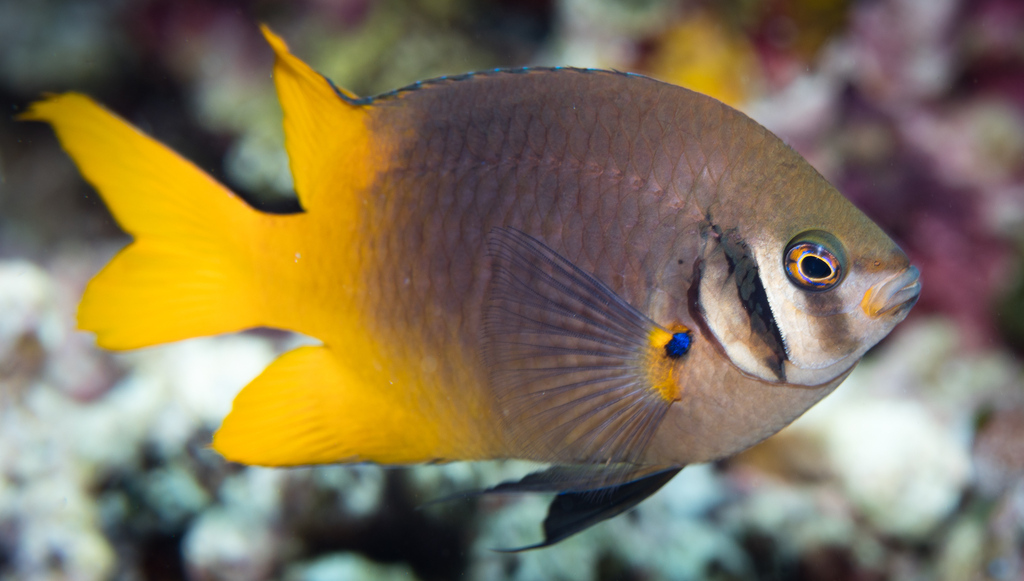
The Black and Gold Chromis is a stunning marine fish, known for its vibrant coloration and sociable nature.
Pricing for Verified Importers
Log in to see wholesale prices and order.
Export Size
up to 10.0 cm
Origin
Indo-Pacific
Temperature
24.0–28.0°C
Min. Tank Size
200 L
Salinity
1.020–1.025 ppt
pH
8.10–8.40
Diet
omnivore
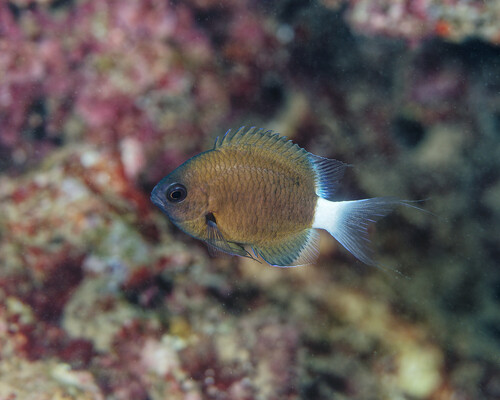
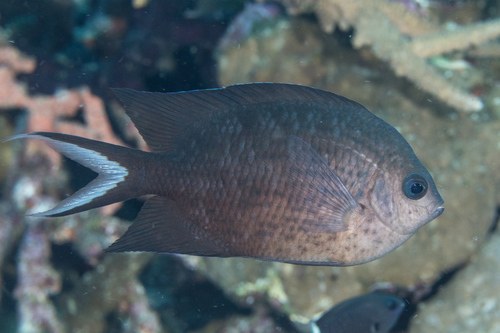
The Black and Gold Chromis (neoglyphidodon nigroris) is a captivating marine fish that hails from the coral reefs of the Indo-Pacific region. This species is easily recognized by its striking coloration, which features a deep black body adorned with bright golden-yellow accents. Typically reaching a maximum size of around 10 cm, these fish exhibit a streamlined shape, making them agile swimmers. Their vibrant colors not only enhance their aesthetic appeal but also play a role in social interactions and mating displays.
In their natural habitat, Black and Gold Chromis are often found in large schools, hovering near coral structures where they seek shelter from predators. These fish are diurnal, meaning they are most active during the day, and they feed on a diet primarily consisting of zooplankton and small invertebrates. Their schooling behavior is a fascinating aspect of their natural history, allowing them to communicate and cooperate effectively while foraging for food.
Behaviorally, Black and Gold Chromis are generally peaceful and can coexist with a variety of other marine species, making them an excellent addition to community aquariums. They exhibit a unique social structure, often forming tight-knit groups, which enhances their sense of security in the wild. This species displays interesting territorial behaviors, especially during breeding, where dominant individuals may stake claims on specific areas of the reef.
The preferred habitat for Black and Gold Chromis includes shallow coral reefs and lagoons, where they can find ample food and shelter. The vibrant ecosystems they inhabit are not just crucial for their survival but also provide a rich environment for aquarists to replicate in captivity, ensuring the well-being of these stunning fish.
In their natural habitat, Black and Gold Chromis are often found in large schools, hovering near coral structures where they seek shelter from predators. These fish are diurnal, meaning they are most active during the day, and they feed on a diet primarily consisting of zooplankton and small invertebrates. Their schooling behavior is a fascinating aspect of their natural history, allowing them to communicate and cooperate effectively while foraging for food.
Behaviorally, Black and Gold Chromis are generally peaceful and can coexist with a variety of other marine species, making them an excellent addition to community aquariums. They exhibit a unique social structure, often forming tight-knit groups, which enhances their sense of security in the wild. This species displays interesting territorial behaviors, especially during breeding, where dominant individuals may stake claims on specific areas of the reef.
The preferred habitat for Black and Gold Chromis includes shallow coral reefs and lagoons, where they can find ample food and shelter. The vibrant ecosystems they inhabit are not just crucial for their survival but also provide a rich environment for aquarists to replicate in captivity, ensuring the well-being of these stunning fish.
To successfully care for Black and Gold Chromis, it is essential to maintain stable water parameters. The ideal temperature range is between 24°C and 28°C, with a salinity level of 1.020 to 1.025 ppt. pH levels should be kept between 8.1 and 8.4. When setting up an aquarium, a minimum tank size of 200 liters is recommended to provide ample swimming space and to accommodate their social nature.
Feeding Black and Gold Chromis is straightforward, as they are omnivorous. A varied diet consisting of high-quality marine flakes, pellets, and live or frozen foods such as brine shrimp and mysis shrimp will ensure their nutritional needs are met. It is important to feed them multiple times a day in small amounts to mimic their natural foraging behavior.
In terms of compatibility, these fish are generally peaceful and can be housed with other non-aggressive species. However, caution should be taken when introducing new tank mates, as they can display territorial behavior during breeding seasons. Acclimation should be done slowly; it is advisable to float the bag in the aquarium for about 15-20 minutes before releasing them into the tank.
Quarantine is also recommended for new arrivals to prevent the introduction of diseases into the main display tank. A separate quarantine tank should be maintained with similar water parameters for at least two weeks before introducing them to the main aquarium.
Feeding Black and Gold Chromis is straightforward, as they are omnivorous. A varied diet consisting of high-quality marine flakes, pellets, and live or frozen foods such as brine shrimp and mysis shrimp will ensure their nutritional needs are met. It is important to feed them multiple times a day in small amounts to mimic their natural foraging behavior.
In terms of compatibility, these fish are generally peaceful and can be housed with other non-aggressive species. However, caution should be taken when introducing new tank mates, as they can display territorial behavior during breeding seasons. Acclimation should be done slowly; it is advisable to float the bag in the aquarium for about 15-20 minutes before releasing them into the tank.
Quarantine is also recommended for new arrivals to prevent the introduction of diseases into the main display tank. A separate quarantine tank should be maintained with similar water parameters for at least two weeks before introducing them to the main aquarium.
Black and Gold Chromis are suitable for shipping, but careful consideration is needed regarding packing density and temperature control. Ideal shipping temperatures should be maintained between 24°C and 28°C to minimize stress during transit. CITES status for this species is currently not applicable, allowing for easier export processes.
Species Parameters
Max Adult Size
10.0 cm
Origin
Indo-Pacific
Diet
omnivore
Temp Min
24.0 °C
Temp Max
28.0 °C
Salinity Min
1.020
Salinity Max
1.025
pH Min
8.10
pH Max
8.40
Min Tank
200 L