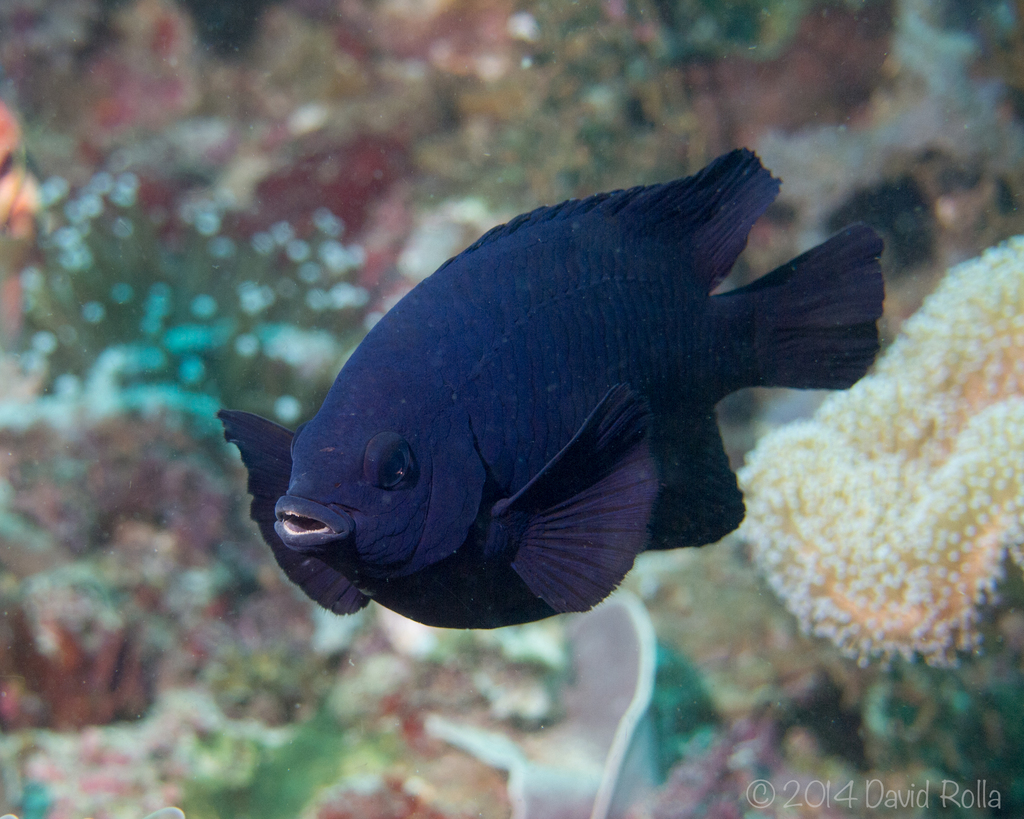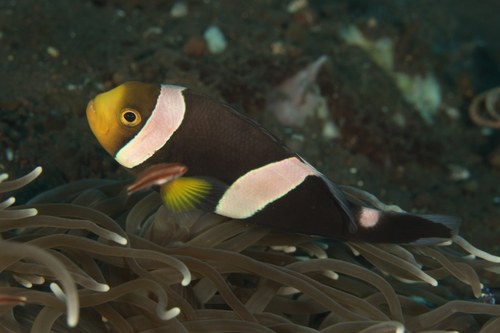
Saddleback Clown
Amphiprion polymnus
In Stock
Common stock
Wild Caught
Moderate care
With Caution
SKU: CB-MF-0029
The Saddleback Clownfish is renowned for its unique appearance and symbiotic relationship with anemones.
Pricing for Verified Importers
Log in to see wholesale prices and order.
Export Size
up to 12.0 cm
Origin
Indo-Pacific
Temperature
24.0–28.0°C
Min. Tank Size
100 L
Salinity
1.020–1.025 ppt
pH
7.80–8.40
Diet
omnivore
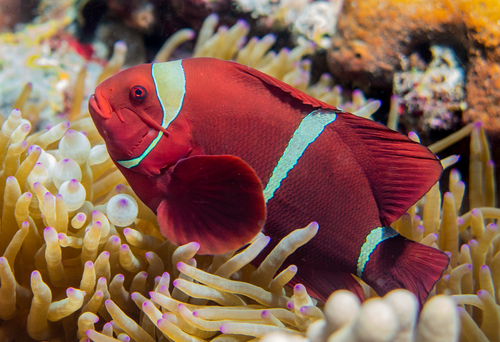
Amphiprion polymnus, commonly known as the Saddleback Clownfish or Yellowfin Anemonefish, is a captivating marine species found predominantly in the warm waters of the Indo-Pacific region. Characterized by its striking black and white coloration, this fish features a distinctive saddle-like marking on its back, which adds to its visual appeal. As a member of the anemonefish family, it has an innate ability to coexist with sea anemones, forming a symbiotic relationship that provides protection and sustenance for both species.
In terms of behavior, the Saddleback Clownfish exhibits a fascinating social structure. It is a sequential hermaphrodite, meaning individuals can change sex based on the dynamics within their group. The largest fish in a group is the breeding female, while the second-largest is the breeding male. Should the female die, the breeding male undergoes a transformation to take her place, ensuring continuity within their social hierarchy. This species is known for its territorial nature, often defending its anemone host against intruders.
Saddleback Clownfish typically inhabit shallow coral reefs and lagoons, where they seek refuge within the tentacles of sea anemones. This mutualistic relationship is mutually beneficial; the clownfish gain protection from predators while providing the anemone with nutrients in the form of waste. This adaptability to various anemone species enhances their survival in diverse marine environments.
Overall, the Saddleback Clownfish is not only visually striking but also plays a crucial role in the health of coral reef ecosystems. Its unique breeding behavior and dependence on anemones highlight the intricate relationships found within marine habitats.
In terms of behavior, the Saddleback Clownfish exhibits a fascinating social structure. It is a sequential hermaphrodite, meaning individuals can change sex based on the dynamics within their group. The largest fish in a group is the breeding female, while the second-largest is the breeding male. Should the female die, the breeding male undergoes a transformation to take her place, ensuring continuity within their social hierarchy. This species is known for its territorial nature, often defending its anemone host against intruders.
Saddleback Clownfish typically inhabit shallow coral reefs and lagoons, where they seek refuge within the tentacles of sea anemones. This mutualistic relationship is mutually beneficial; the clownfish gain protection from predators while providing the anemone with nutrients in the form of waste. This adaptability to various anemone species enhances their survival in diverse marine environments.
Overall, the Saddleback Clownfish is not only visually striking but also plays a crucial role in the health of coral reef ecosystems. Its unique breeding behavior and dependence on anemones highlight the intricate relationships found within marine habitats.
When caring for Saddleback Clownfish, maintaining the right water parameters is critical for their health. Ideal temperature ranges from 24°C to 28°C, with a salinity between 1.020 to 1.025 ppt. The pH levels should be kept between 7.8 and 8.4. It is advisable to provide a minimum tank size of 100 liters to accommodate their social structure and territorial behavior.
Saddleback Clownfish are omnivorous and thrive on a varied diet that includes high-quality pellets, frozen or live brine shrimp, and other meaty foods. Providing a balanced diet will promote their health and vibrant coloration. Compatibility-wise, they are generally peaceful but can be territorial towards their own species or similar-looking fish, so it’s best to keep them in pairs or as single specimens in a community tank.
Acclimation should be gradual to reduce stress; using the drip method over several hours is recommended. Additionally, quarantining new arrivals for at least two weeks can help prevent the introduction of diseases into established tanks. Regular monitoring of their health and water quality will ensure a thriving environment for these dynamic fish.
Saddleback Clownfish are omnivorous and thrive on a varied diet that includes high-quality pellets, frozen or live brine shrimp, and other meaty foods. Providing a balanced diet will promote their health and vibrant coloration. Compatibility-wise, they are generally peaceful but can be territorial towards their own species or similar-looking fish, so it’s best to keep them in pairs or as single specimens in a community tank.
Acclimation should be gradual to reduce stress; using the drip method over several hours is recommended. Additionally, quarantining new arrivals for at least two weeks can help prevent the introduction of diseases into established tanks. Regular monitoring of their health and water quality will ensure a thriving environment for these dynamic fish.
Saddleback Clownfish are suitable for shipping due to their hardy nature. Recommended packing density is 1-2 fish per liter, ensuring enough space for movement. They are sensitive to extreme temperature fluctuations, so maintaining a stable environment during transport is crucial. As a species not listed under CITES, they do not face additional export restrictions.
Species Parameters
Max Adult Size
12.0 cm
Origin
Indo-Pacific
Diet
omnivore
Temp Min
24.0 °C
Temp Max
28.0 °C
Salinity Min
1.020
Salinity Max
1.025
pH Min
7.80
pH Max
8.40
Min Tank
100 L