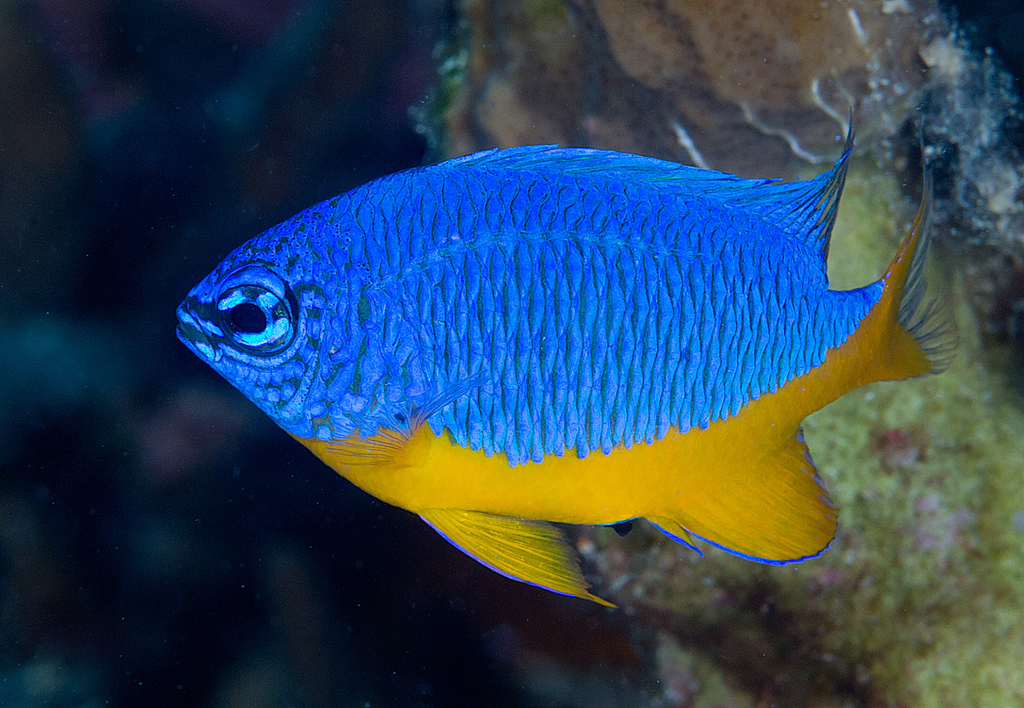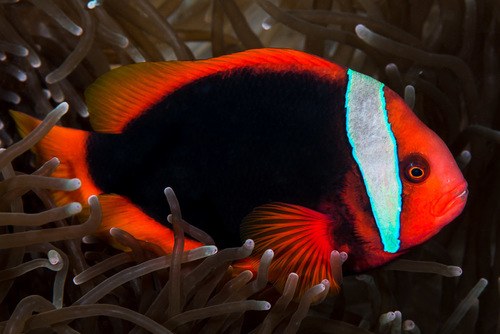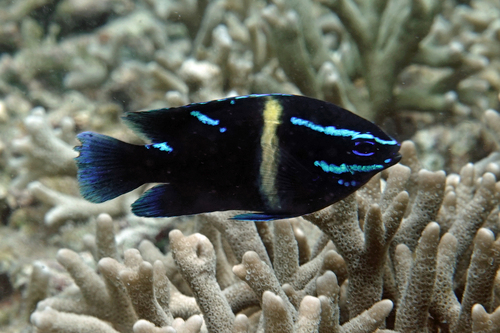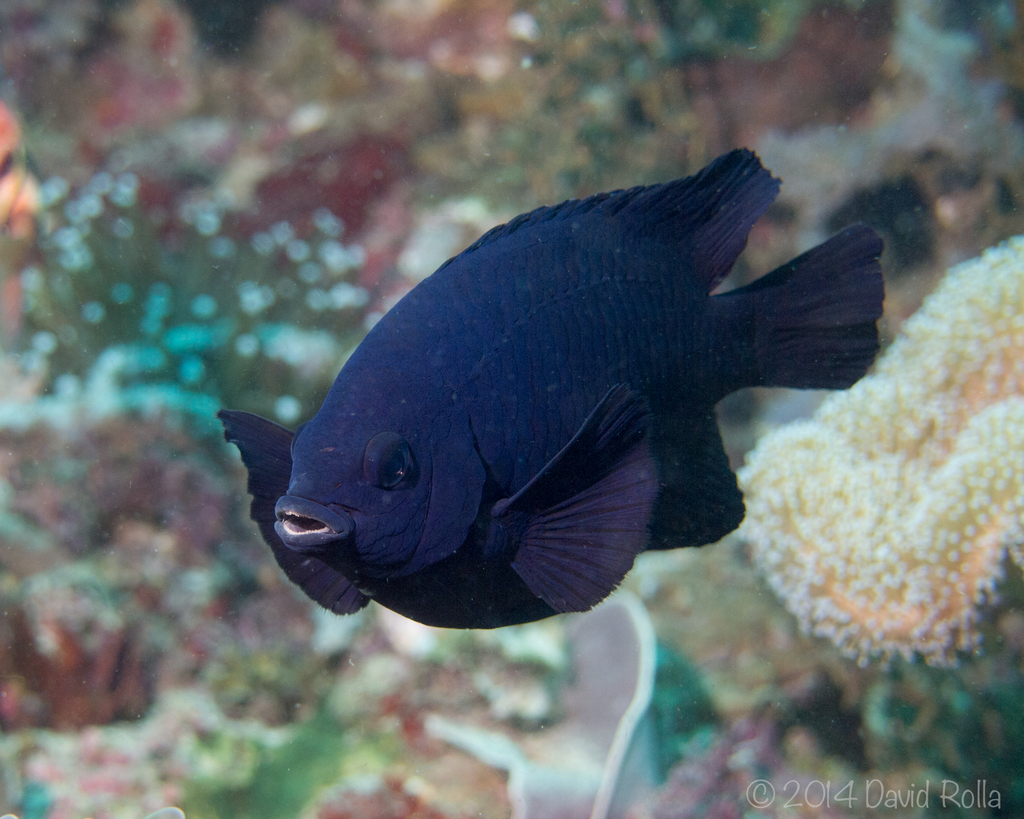
Bowtie damselfish/Bluefin Damselfish
neoglyphidodon melas
In Stock
Common stock
Wild Caught
Moderate care
With Caution
SKU: ML-MF-0163
The Bowtie Damselfish boasts vibrant colors and a hardy nature, making it a favorite among aquarists.
Pricing for Verified Importers
Log in to see wholesale prices and order.
Export Size
up to 10.0 cm
Origin
Indo-Pacific
Temperature
24.0–28.0°C
Min. Tank Size
100 L
Salinity
1.020–1.025 ppt
pH
8.10–8.40
Diet
omnivore
The Bowtie Damselfish, scientifically known as Neoglyphidodon melas, is a striking marine fish found primarily in the coral reefs of the Indo-Pacific region. This species is characterized by its vivid blue body adorned with bold black markings that resemble a bowtie, which not only enhances its visual appeal but also serves as a form of camouflage among the corals and rocky substrates of its natural habitat. Typically, they can reach a maximum size of about 10 cm, making them a manageable addition to a variety of aquarium setups.
In the wild, Bowtie Damselfish inhabit shallow waters, usually between 1 to 20 meters deep, where they often establish territories around coral formations. They are known to be quite territorial, especially males, which actively defend their space against intruders, showcasing an energetic and assertive behavior that adds dynamic activity to the aquarium. These fish are diurnal, with a tendency to swim in pairs or small groups, providing an engaging display for observers.
Feeding habits of the Bowtie Damselfish primarily consist of zooplankton, small invertebrates, and algae, indicating their omnivorous diet. This adaptability in feeding allows them to thrive in various environments, making them resilient in both wild and captive settings. Their vibrant coloration also plays a role in social interactions and mating displays, adding another layer of intrigue to their natural history.
Due to their hardy nature and captivating appearance, Bowtie Damselfish are popular among both novice and experienced aquarists. They contribute to the biodiversity of marine aquarium setups and are often seen as a symbol of the vibrant ecosystems found in coral reefs. Ensuring proper conditions will help maintain their health and longevity in captivity.
In the wild, Bowtie Damselfish inhabit shallow waters, usually between 1 to 20 meters deep, where they often establish territories around coral formations. They are known to be quite territorial, especially males, which actively defend their space against intruders, showcasing an energetic and assertive behavior that adds dynamic activity to the aquarium. These fish are diurnal, with a tendency to swim in pairs or small groups, providing an engaging display for observers.
Feeding habits of the Bowtie Damselfish primarily consist of zooplankton, small invertebrates, and algae, indicating their omnivorous diet. This adaptability in feeding allows them to thrive in various environments, making them resilient in both wild and captive settings. Their vibrant coloration also plays a role in social interactions and mating displays, adding another layer of intrigue to their natural history.
Due to their hardy nature and captivating appearance, Bowtie Damselfish are popular among both novice and experienced aquarists. They contribute to the biodiversity of marine aquarium setups and are often seen as a symbol of the vibrant ecosystems found in coral reefs. Ensuring proper conditions will help maintain their health and longevity in captivity.
To successfully care for Bowtie Damselfish, importers and retailers should focus on maintaining optimal water parameters. Ideal temperature ranges from 24°C to 28°C, with a salinity level between 1.020 and 1.025 ppt. pH should be kept between 8.1 and 8.4. A minimum tank size of 100 liters is recommended to provide ample swimming space and territory for these active fish.
Feeding is straightforward, as Bowtie Damselfish are omnivores. A varied diet consisting of high-quality flake food, frozen or live brine shrimp, and algae will ensure they receive adequate nutrition. It is important to monitor their feeding habits, as overfeeding can lead to health issues.
Compatibility is generally good, but caution should be observed when introducing them to tank mates. They can be aggressive towards other damselfish or similar-sized species, particularly during breeding. To acclimate new arrivals, a slow introduction process is recommended, allowing them to adjust to the new environment gradually. Quarantine new specimens for at least two weeks to prevent the spread of diseases and ensure their health before introducing them to the main tank.
Feeding is straightforward, as Bowtie Damselfish are omnivores. A varied diet consisting of high-quality flake food, frozen or live brine shrimp, and algae will ensure they receive adequate nutrition. It is important to monitor their feeding habits, as overfeeding can lead to health issues.
Compatibility is generally good, but caution should be observed when introducing them to tank mates. They can be aggressive towards other damselfish or similar-sized species, particularly during breeding. To acclimate new arrivals, a slow introduction process is recommended, allowing them to adjust to the new environment gradually. Quarantine new specimens for at least two weeks to prevent the spread of diseases and ensure their health before introducing them to the main tank.
Bowtie Damselfish are suitable for shipping due to their hardiness and ability to adapt to varying conditions. Packing density should be moderate to allow sufficient space during transport. It's essential to maintain a stable temperature between 24°C to 28°C during shipping to prevent stress. Currently, there are no CITES restrictions on this species, simplifying export processes.
Species Parameters
Max Adult Size
10.0 cm
Origin
Indo-Pacific
Diet
omnivore
Temp Min
24.0 °C
Temp Max
28.0 °C
Salinity Min
1.020
Salinity Max
1.025
pH Min
8.10
pH Max
8.40
Min Tank
100 L