Whitebonnet/Whitecap Anemonfish
amphiprion leucokranos
In Stock
Common stock
Wild Caught
Moderate care
With Caution
SKU: ML-MF-0185
Discover the vibrant Whitebonnet Anemonfish, a captivating marine species known for its striking colors and symbiotic relationships.
Pricing for Verified Importers
Log in to see wholesale prices and order.
Export Size
up to 12.0 cm
Origin
Coral Triangle
Temperature
24.0–28.0°C
Min. Tank Size
100 L
Salinity
1.020–1.025 ppt
pH
7.80–8.50
Diet
omnivore
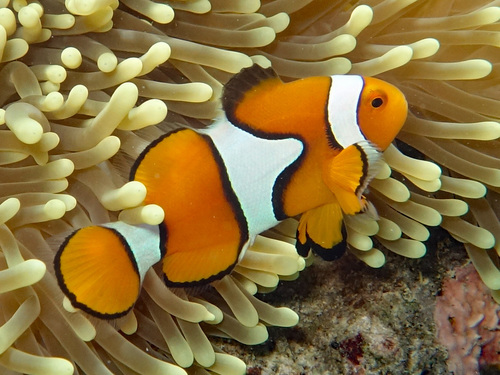
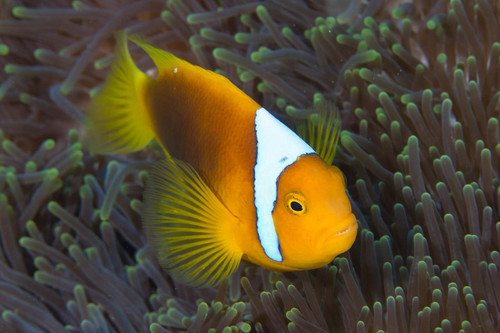
The Whitebonnet Anemonfish (Amphiprion leucokranos) is a stunning species of marine fish that thrives in the warm, shallow waters of the Coral Triangle, particularly around Bali, Indonesia. Recognized for its distinctive white cap-like markings on the head, this anemonfish exhibits a vibrant orange body that contrasts beautifully with its white accents. The combination of these colors not only makes it a visually appealing addition to any aquarium but also serves as a warning to potential predators about its venomous habitat.
In terms of behavior, the Whitebonnet Anemonfish is known for its social nature, often found in small groups within their host anemones. These fish share a mutualistic relationship with sea anemones, which provide protection from predators while the clownfish offers the anemones nutrients through waste. This unique partnership is essential for the survival of both species, and it highlights the importance of maintaining a suitable habitat for these fish in captivity.
Habitat-wise, the Whitebonnet Anemonfish typically resides in sheltered lagoons and coral reefs, where they can easily access their host anemones. These environments are characterized by warm water temperatures, moderate water movement, and a diverse range of marine life. As part of their natural history, they can often be seen playfully darting in and out of the tentacles of their anemone, showcasing their agility and vibrant personality.
Due to their charming appearance and engaging behavior, the Whitebonnet Anemonfish is increasingly popular among aquarium enthusiasts and wholesalers alike. However, ensuring their well-being in captivity is essential for their long-term health and vitality.
In terms of behavior, the Whitebonnet Anemonfish is known for its social nature, often found in small groups within their host anemones. These fish share a mutualistic relationship with sea anemones, which provide protection from predators while the clownfish offers the anemones nutrients through waste. This unique partnership is essential for the survival of both species, and it highlights the importance of maintaining a suitable habitat for these fish in captivity.
Habitat-wise, the Whitebonnet Anemonfish typically resides in sheltered lagoons and coral reefs, where they can easily access their host anemones. These environments are characterized by warm water temperatures, moderate water movement, and a diverse range of marine life. As part of their natural history, they can often be seen playfully darting in and out of the tentacles of their anemone, showcasing their agility and vibrant personality.
Due to their charming appearance and engaging behavior, the Whitebonnet Anemonfish is increasingly popular among aquarium enthusiasts and wholesalers alike. However, ensuring their well-being in captivity is essential for their long-term health and vitality.
For successful care of the Whitebonnet Anemonfish, it is essential to maintain specific water parameters. Ideal temperature ranges from 24 to 28 degrees Celsius, with a salinity level between 1.020 and 1.025 ppt. The pH should be kept between 7.8 and 8.5 to mimic their natural habitat. A minimum tank size of 100 liters is recommended to provide ample swimming space and stable water conditions.
Feeding these fish is straightforward, as they are omnivores and thrive on a varied diet. High-quality flakes or pellets, supplemented with frozen or live foods like brine shrimp and mysis shrimp, will ensure they receive all necessary nutrients. When introducing them to a new aquarium, acclimation should be gradual, allowing them to adjust to different water conditions without stress.
Compatibility is crucial when housing Whitebonnet Anemonfish with other species. They generally coexist well with other clownfish and peaceful tank mates but may display territorial behavior towards their kind. Therefore, it’s advisable to introduce them in pairs or small groups to minimize aggression.
Lastly, a quarantine period of at least two weeks is recommended for new arrivals to monitor for any signs of disease before they are introduced to the main tank. This practice helps maintain a healthy aquarium environment and prevents the spread of potential pathogens.
Feeding these fish is straightforward, as they are omnivores and thrive on a varied diet. High-quality flakes or pellets, supplemented with frozen or live foods like brine shrimp and mysis shrimp, will ensure they receive all necessary nutrients. When introducing them to a new aquarium, acclimation should be gradual, allowing them to adjust to different water conditions without stress.
Compatibility is crucial when housing Whitebonnet Anemonfish with other species. They generally coexist well with other clownfish and peaceful tank mates but may display territorial behavior towards their kind. Therefore, it’s advisable to introduce them in pairs or small groups to minimize aggression.
Lastly, a quarantine period of at least two weeks is recommended for new arrivals to monitor for any signs of disease before they are introduced to the main tank. This practice helps maintain a healthy aquarium environment and prevents the spread of potential pathogens.
The Whitebonnet Anemonfish is suitable for shipping due to its resilience. Packing density should not exceed 10 fish per bag to ensure adequate oxygen levels during transport. It is essential to maintain water temperatures between 24 to 28 degrees Celsius during shipping to minimize stress. This species is not listed under CITES, simplifying export procedures.
Species Parameters
Max Adult Size
12.0 cm
Origin
Coral Triangle
Diet
omnivore
Temp Min
24.0 °C
Temp Max
28.0 °C
Salinity Min
1.020
Salinity Max
1.025
pH Min
7.80
pH Max
8.50
Min Tank
100 L