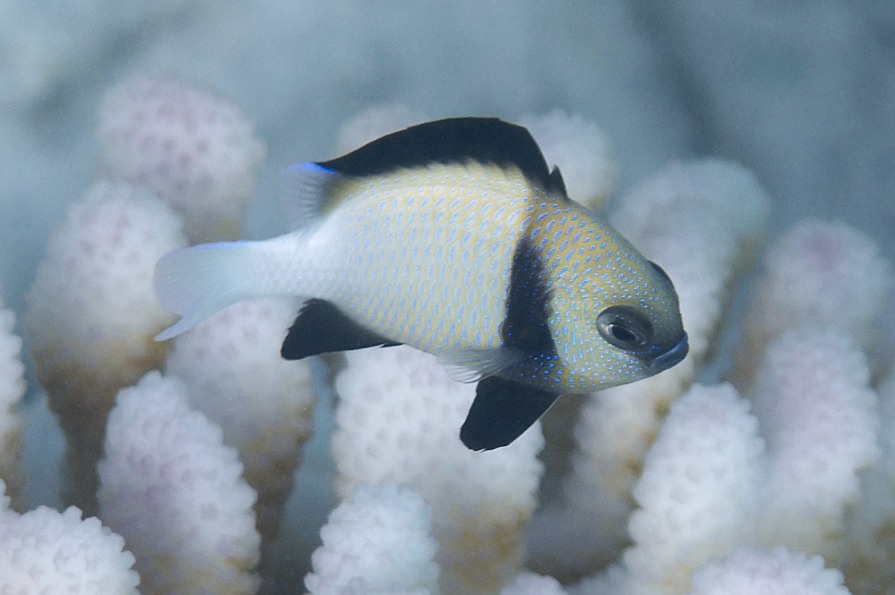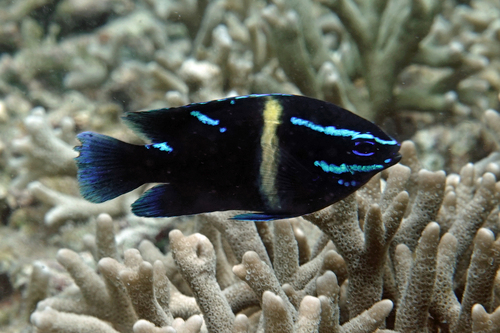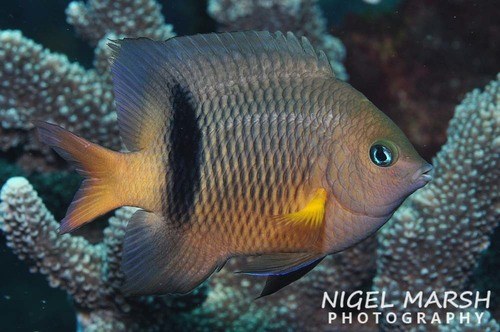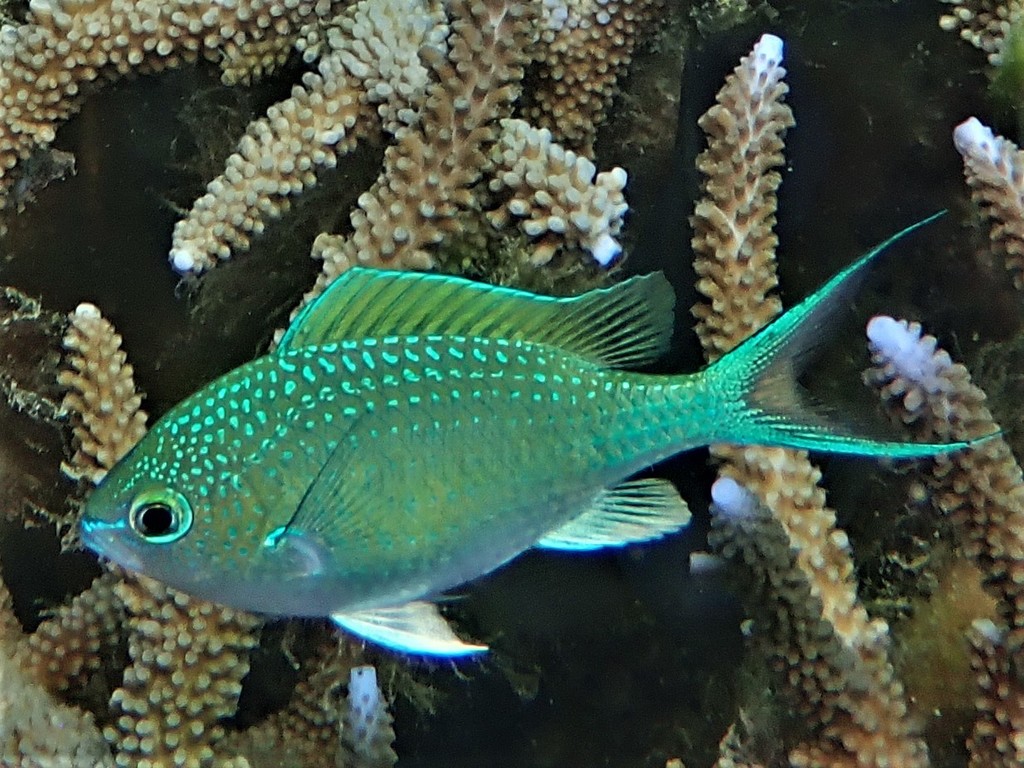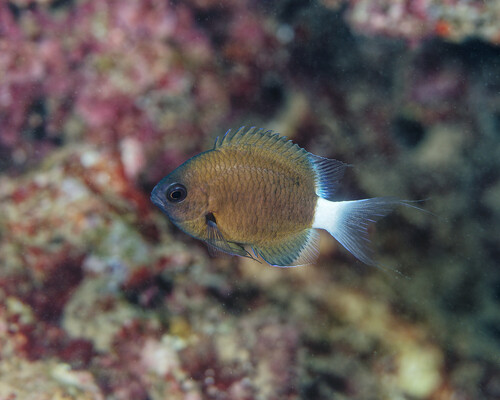
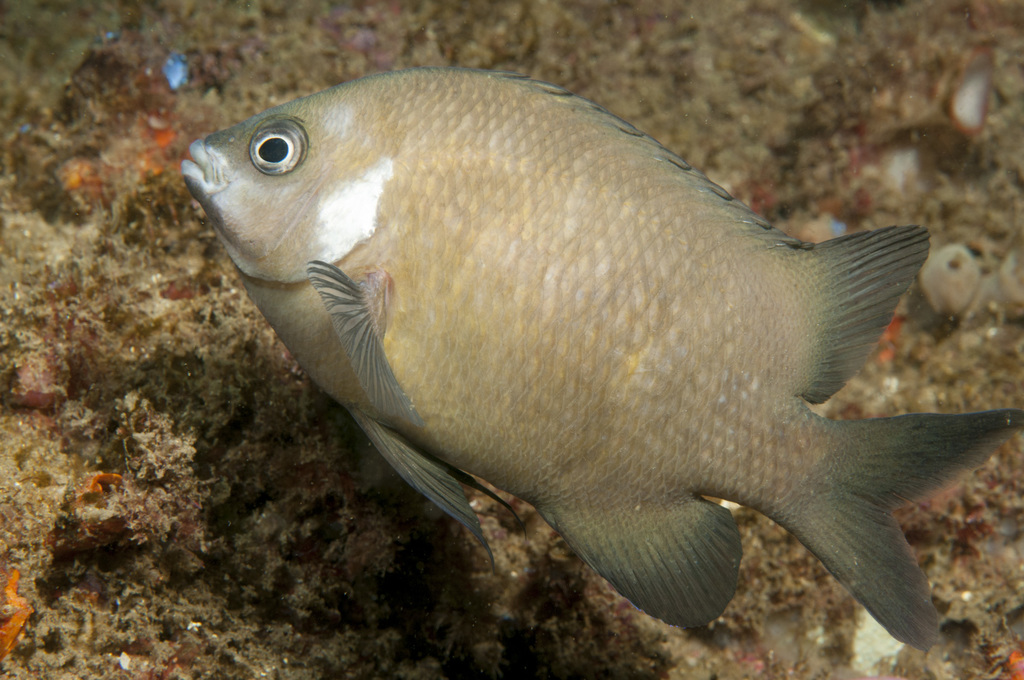
juvenile White-ear scalyfin Parma
parma microlepis
In Stock
Common stock
Wild Caught
Moderate care
With Caution
SKU: ML-MF-0152
The juvenile White-ear scalyfin Parma is a visually striking marine fish endemic to Indonesia, known for its vibrant colors and unique ear markings.
Pricing for Verified Importers
Log in to see wholesale prices and order.
Export Size
up to 15.0 cm
Origin
Coral Triangle
Temperature
24.0–28.0°C
Min. Tank Size
150 L
Salinity
1.020–1.025 ppt
pH
8.10–8.40
Diet
omnivore
The juvenile White-ear scalyfin Parma (Parma microlepis) is a captivating marine species found predominantly in the warm waters of Bali, Indonesia. This fish is easily recognizable due to its distinctive white ear markings, which stand out against its otherwise vibrant body. The coloration can vary from shades of blue to green, often exhibiting striking patterns that make them a popular choice among aquarium enthusiasts. As juveniles, they are particularly sought after for their smaller size and lively appearance, making them ideal for reef aquariums.
In terms of natural history, White-ear scalyfins are typically found in shallow coral reefs where they inhabit crevices and rocky substrates. They play an essential role in maintaining the health of the reef ecosystem by grazing on algae and detritus. Observing their behavior, these fish are known to be relatively social, often found in small groups, which adds to the dynamic of any aquarium setting. Their active swimming style and curious nature make them a joy to watch, providing a lively addition to any marine display.
The habitat of the White-ear scalyfin is characterized by warm, clear waters with ample coral coverage. They are primarily found in depths of up to 30 meters, where they can forage for food and seek shelter. The presence of coral reefs is vital for their survival, as these ecosystems provide both sustenance and protection from predators. As they mature, they tend to adapt to various environmental conditions but maintain a preference for structured habitats that allow for easy navigation and foraging.
Overall, the juvenile White-ear scalyfin Parma is not only a beautiful species but also a vital component of its native ecosystem. Their vibrant appearance and engaging behavior make them a desirable choice for both importers and hobbyists looking to enhance their marine collections.
In terms of natural history, White-ear scalyfins are typically found in shallow coral reefs where they inhabit crevices and rocky substrates. They play an essential role in maintaining the health of the reef ecosystem by grazing on algae and detritus. Observing their behavior, these fish are known to be relatively social, often found in small groups, which adds to the dynamic of any aquarium setting. Their active swimming style and curious nature make them a joy to watch, providing a lively addition to any marine display.
The habitat of the White-ear scalyfin is characterized by warm, clear waters with ample coral coverage. They are primarily found in depths of up to 30 meters, where they can forage for food and seek shelter. The presence of coral reefs is vital for their survival, as these ecosystems provide both sustenance and protection from predators. As they mature, they tend to adapt to various environmental conditions but maintain a preference for structured habitats that allow for easy navigation and foraging.
Overall, the juvenile White-ear scalyfin Parma is not only a beautiful species but also a vital component of its native ecosystem. Their vibrant appearance and engaging behavior make them a desirable choice for both importers and hobbyists looking to enhance their marine collections.
When caring for juvenile White-ear scalyfin Parma, it's essential to maintain stable water parameters to ensure their health and well-being. The ideal water temperature should range between 24°C to 28°C, with a salinity level of 1.020 to 1.025 ppt. The pH should be kept between 8.1 and 8.4, reflecting their natural reef environment. Providing a minimum tank size of 150 liters is recommended to accommodate their swimming needs and social nature.
Feeding should include a varied diet of high-quality pellets, flake foods, and frozen or live foods such as brine shrimp and mysis shrimp to promote optimal growth and coloration. It's important to monitor their feeding habits closely, as they can be prone to overfeeding due to their curious nature. When introducing them to a community tank, ensure compatibility with similarly sized or peaceful species to avoid stress and aggression.
Acclimation is a critical process for these fish; it is recommended to use a drip acclimation method to help them adjust slowly to new water conditions. A quarantine period of at least two weeks is advisable for all new arrivals to monitor for any signs of disease or stress before introducing them to the main aquarium. This will help maintain the health of your aquatic ecosystem while ensuring that your White-ear scalyfins thrive in their new environment.
Feeding should include a varied diet of high-quality pellets, flake foods, and frozen or live foods such as brine shrimp and mysis shrimp to promote optimal growth and coloration. It's important to monitor their feeding habits closely, as they can be prone to overfeeding due to their curious nature. When introducing them to a community tank, ensure compatibility with similarly sized or peaceful species to avoid stress and aggression.
Acclimation is a critical process for these fish; it is recommended to use a drip acclimation method to help them adjust slowly to new water conditions. A quarantine period of at least two weeks is advisable for all new arrivals to monitor for any signs of disease or stress before introducing them to the main aquarium. This will help maintain the health of your aquatic ecosystem while ensuring that your White-ear scalyfins thrive in their new environment.
Shipping juvenile White-ear scalyfin Parma requires careful attention to temperature and packing density. These fish should be shipped at temperatures between 24°C to 28°C, with adequate space to prevent overcrowding during transit. A density of 1 fish per 5 liters is recommended to minimize stress. They are not listed under CITES, allowing for smooth export procedures. Ensure the shipping bags are oxygenated for optimal conditions during transport.
Species Parameters
Max Adult Size
15.0 cm
Origin
Coral Triangle
Diet
omnivore
Temp Min
24.0 °C
Temp Max
28.0 °C
Salinity Min
1.020
Salinity Max
1.025
pH Min
8.10
pH Max
8.40
Min Tank
150 L