Talbot's Damsel
Chrysiptera talboti
In Stock
Common stock
Wild Caught
Moderate care
With Caution
SKU: CB-MF-0006
Talbot's Damsel is a vibrant, hardy marine fish ideal for reef aquariums.
Pricing for Verified Importers
Log in to see wholesale prices and order.
Export Size
up to 7.0 cm
Origin
Coral Triangle
Temperature
24.0–28.0°C
Min. Tank Size
100 L
Salinity
1.020–1.025 ppt
pH
8.10–8.40
Diet
omnivore
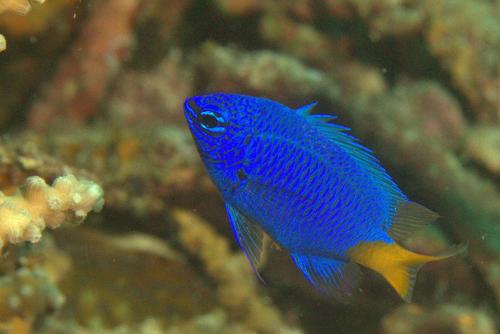
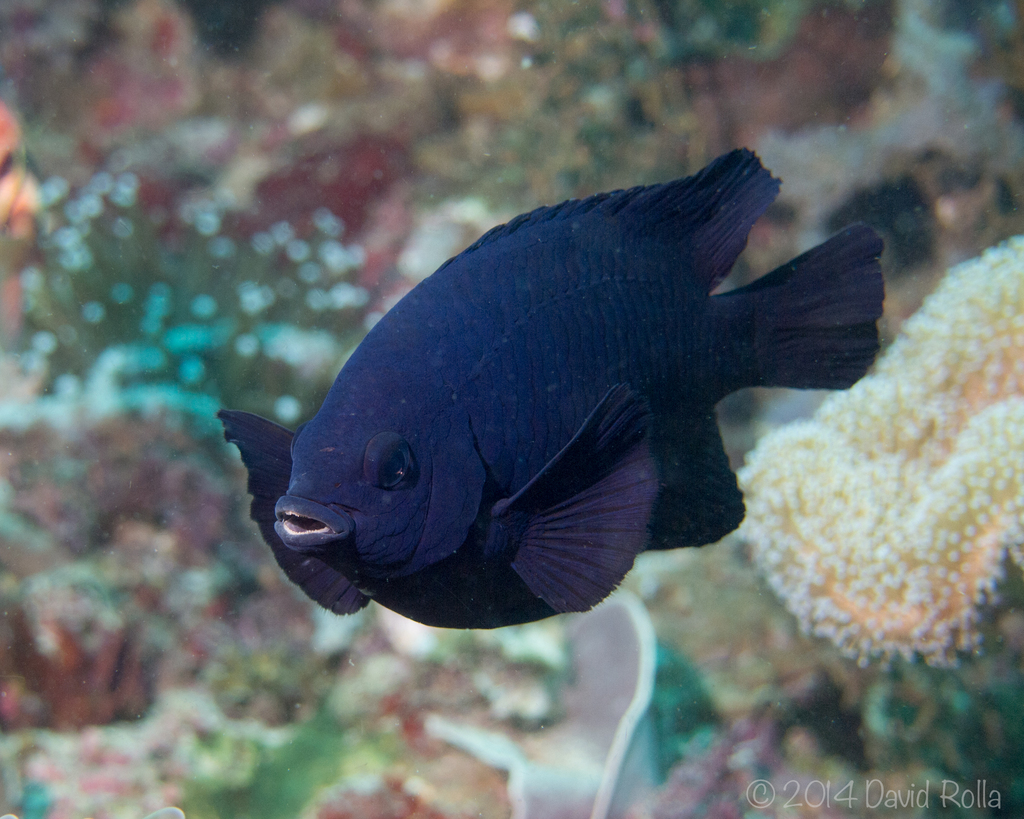
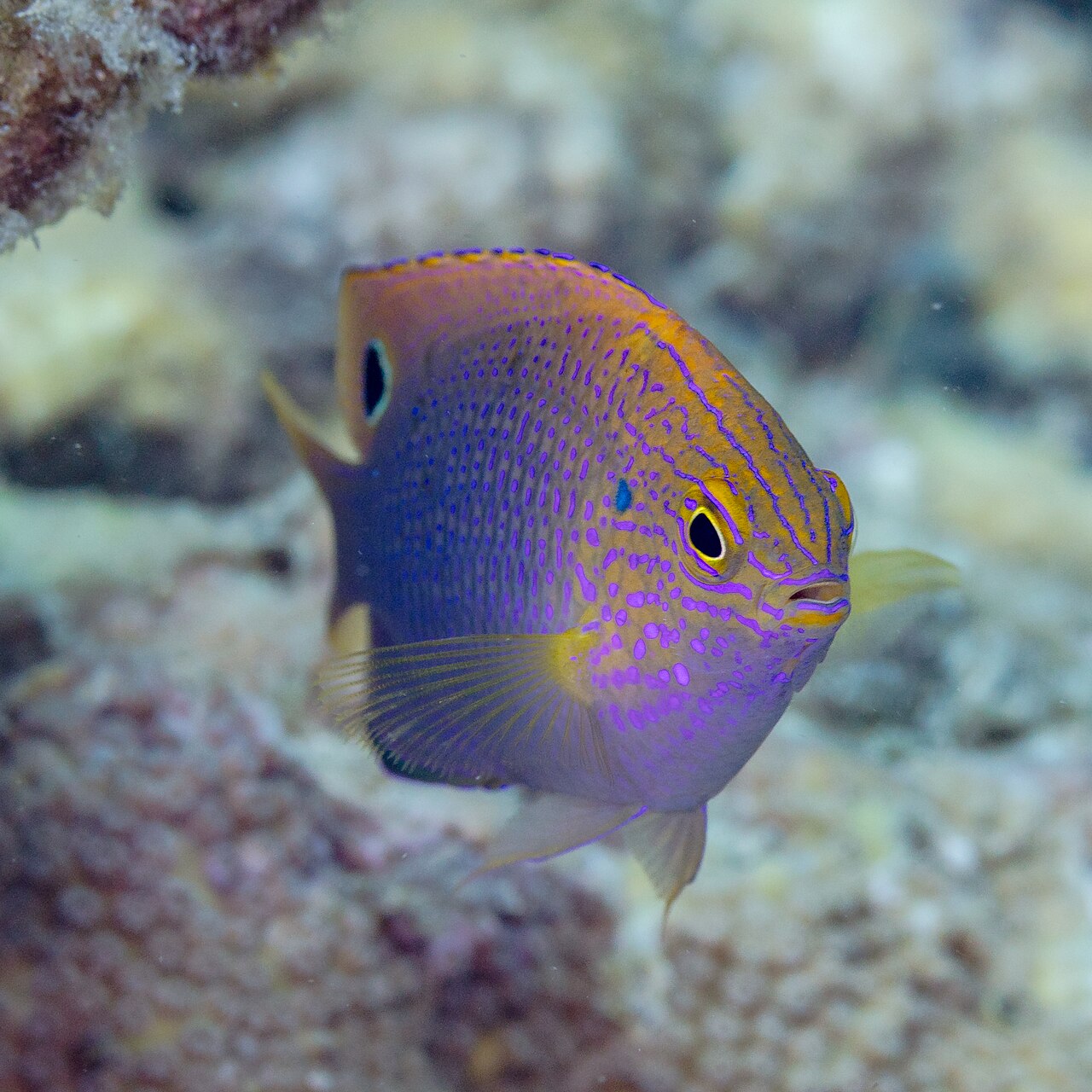
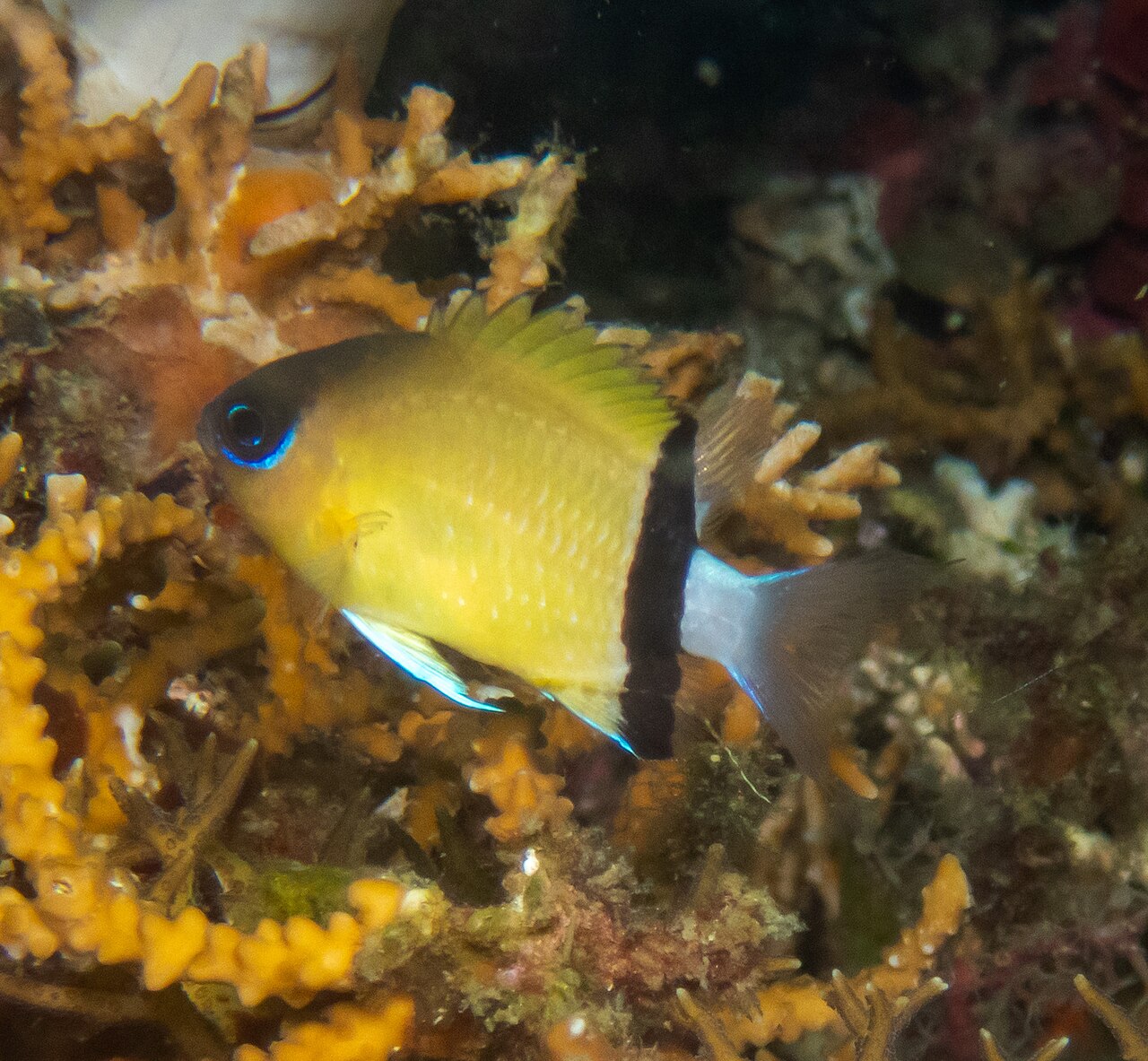
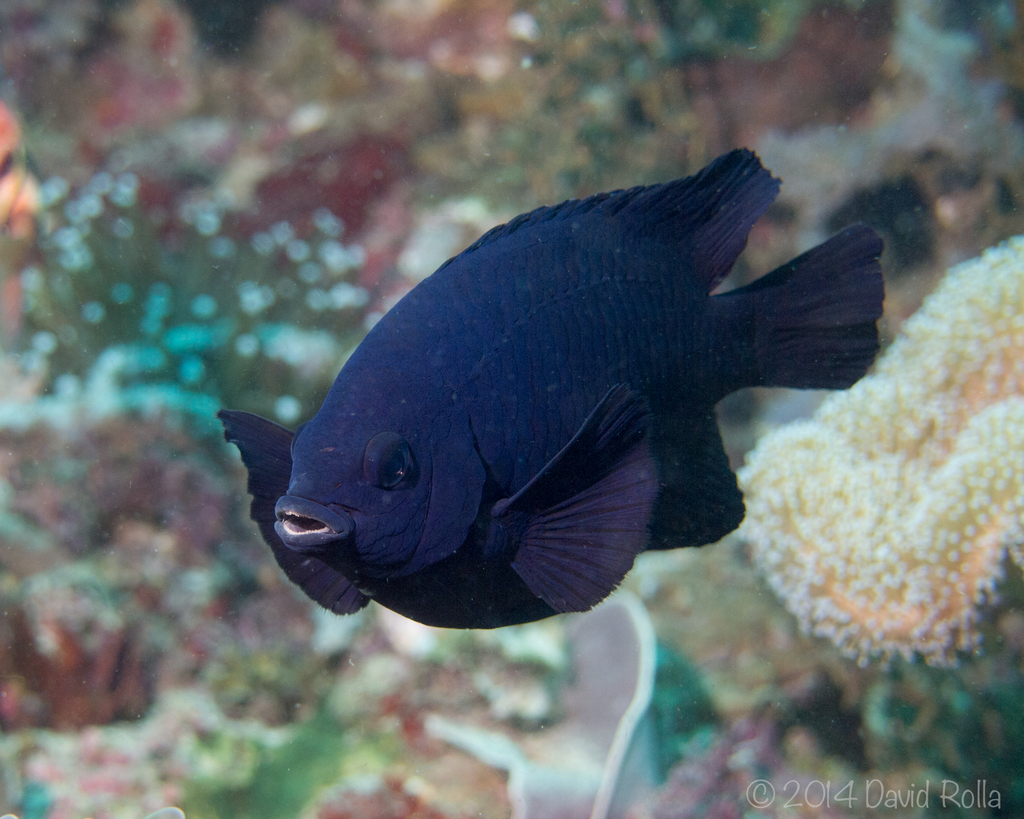
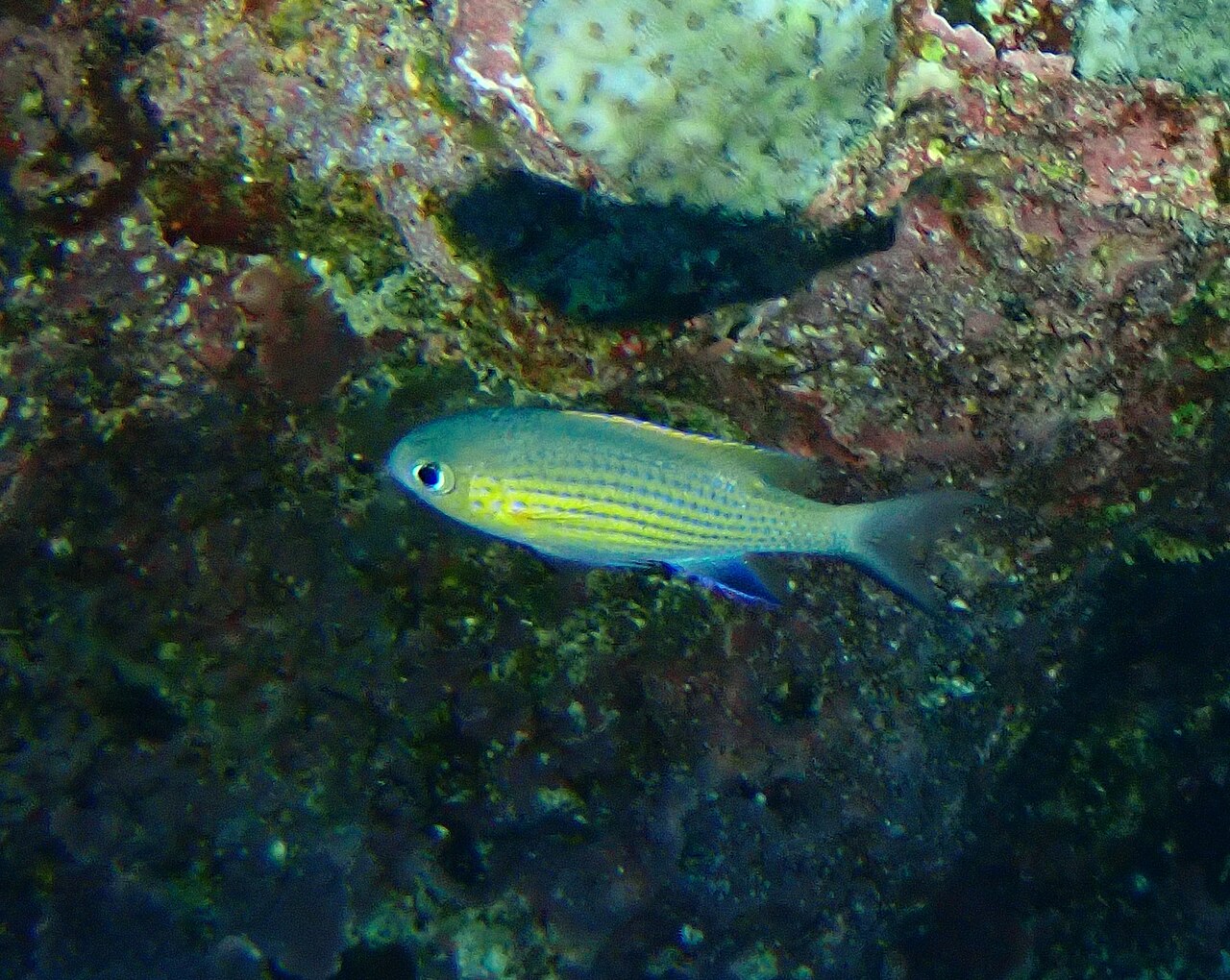
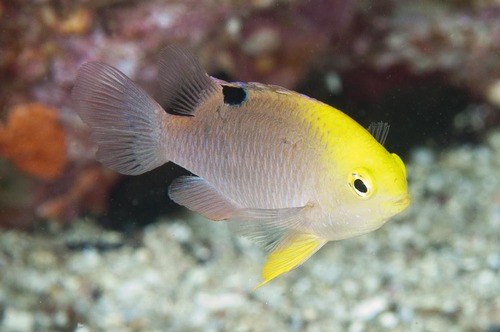
Chrysiptera talboti, commonly known as Talbot's damsel or Talbot's demoiselle, is a striking species of damselfish found in the eastern Indian Ocean and western Pacific. This species exhibits a vibrant blue coloration with a distinctive yellow-orange patch on its dorsal fin, making it a popular choice among marine aquarium enthusiasts. Adult Talbot's damsels typically reach a maximum size of around 7 cm, making them suitable for smaller reef setups.
In their natural habitat, Talbot's damsels inhabit coral reefs and rocky areas, often found at depths ranging from 5 to 30 meters. They are known to be territorial, especially during breeding, where males will fiercely defend their nests against intruders. These fish are often observed in small groups, where they exhibit social behaviors and engage in playful interactions. Their adaptability to various reef environments contributes to their resilience in captivity.
Talbot's damsels are primarily diurnal and tend to be more active during daylight hours. They feed on small zooplankton and algae, showcasing their omnivorous diet. Their vibrant colors and active demeanor make them a favorite among aquarists looking to add lively character to their tanks. Additionally, they establish a hierarchy within their groups, which can be fascinating to observe in a well-planted aquarium.
Overall, Talbot's damsel is a robust species that thrives in stable marine conditions. Their striking appearance, coupled with their engaging behavior, makes them an excellent choice for both novice and experienced aquarists looking to enhance their reef displays.
In their natural habitat, Talbot's damsels inhabit coral reefs and rocky areas, often found at depths ranging from 5 to 30 meters. They are known to be territorial, especially during breeding, where males will fiercely defend their nests against intruders. These fish are often observed in small groups, where they exhibit social behaviors and engage in playful interactions. Their adaptability to various reef environments contributes to their resilience in captivity.
Talbot's damsels are primarily diurnal and tend to be more active during daylight hours. They feed on small zooplankton and algae, showcasing their omnivorous diet. Their vibrant colors and active demeanor make them a favorite among aquarists looking to add lively character to their tanks. Additionally, they establish a hierarchy within their groups, which can be fascinating to observe in a well-planted aquarium.
Overall, Talbot's damsel is a robust species that thrives in stable marine conditions. Their striking appearance, coupled with their engaging behavior, makes them an excellent choice for both novice and experienced aquarists looking to enhance their reef displays.
For optimal care of Talbot's damsels, maintaining stable water parameters is essential. Ideal temperature ranges from 24 to 28 degrees Celsius, with a salinity level between 1.020 and 1.025 ppt. The pH should be maintained between 8.1 and 8.4. A minimum tank size of 100 liters is recommended to provide ample swimming space and territory for this active species.
Feeding Talbot's damsels is straightforward, as they are not picky eaters. A varied diet consisting of high-quality flake food, frozen or live brine shrimp, and algae-based foods will keep them healthy and vibrant. It is important to feed them multiple times a day in small quantities to prevent overfeeding.
When introducing Talbot's damsels to a community tank, ensure compatibility with other species, as their territorial nature can lead to aggression, particularly towards similar-sized fish. Acclimation should be done slowly to minimize stress, ideally over several hours. Quarantine new arrivals for at least two weeks to monitor for any signs of disease before introducing them to the main display tank.
Feeding Talbot's damsels is straightforward, as they are not picky eaters. A varied diet consisting of high-quality flake food, frozen or live brine shrimp, and algae-based foods will keep them healthy and vibrant. It is important to feed them multiple times a day in small quantities to prevent overfeeding.
When introducing Talbot's damsels to a community tank, ensure compatibility with other species, as their territorial nature can lead to aggression, particularly towards similar-sized fish. Acclimation should be done slowly to minimize stress, ideally over several hours. Quarantine new arrivals for at least two weeks to monitor for any signs of disease before introducing them to the main display tank.
Talbot's damsels are suitable for shipping due to their hardiness. Packing density should be moderate to ensure sufficient oxygen levels during transit. They are sensitive to temperature fluctuations, so maintaining a stable environment during shipping is crucial. This species is not listed under CITES, simplifying export regulations.
Species Parameters
Max Adult Size
7.0 cm
Origin
Coral Triangle
Diet
omnivore
Temp Min
24.0 °C
Temp Max
28.0 °C
Salinity Min
1.020
Salinity Max
1.025
pH Min
8.10
pH Max
8.40
Min Tank
100 L