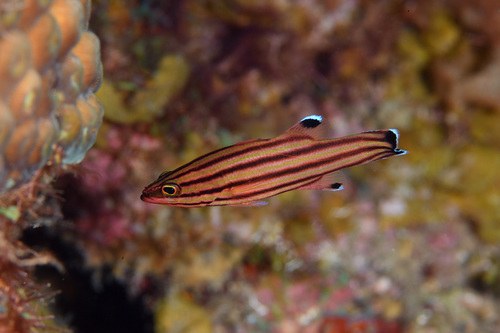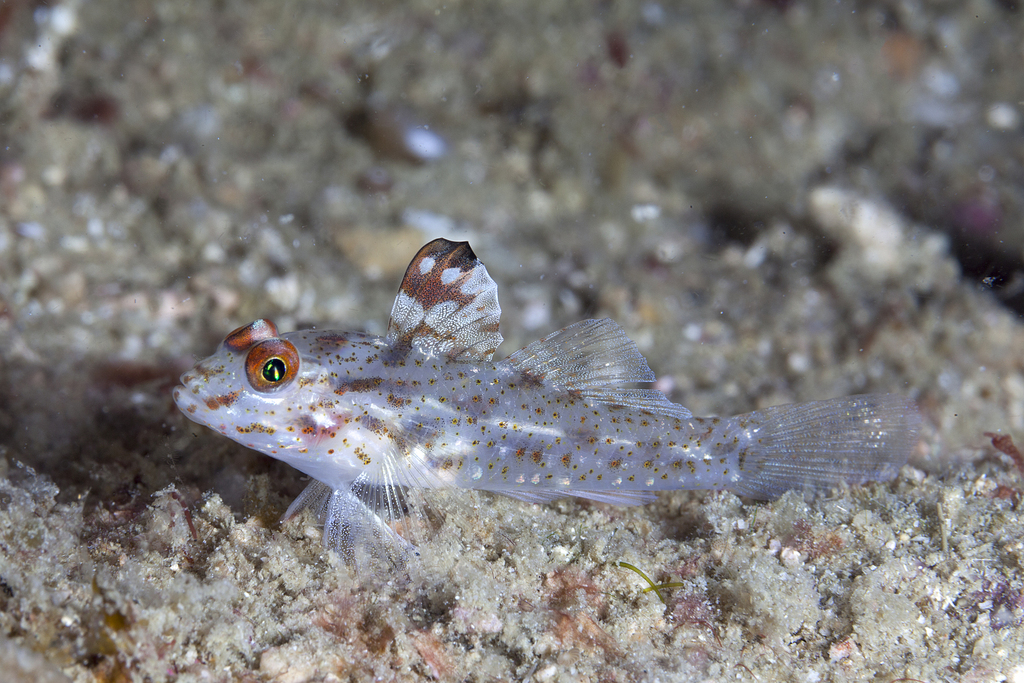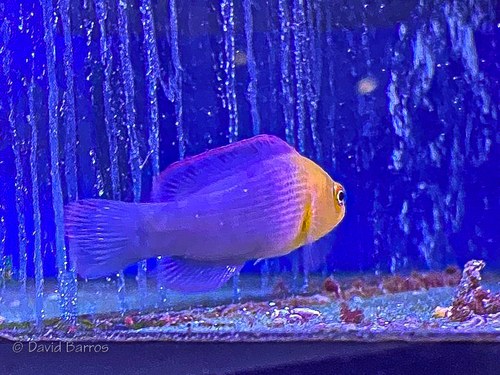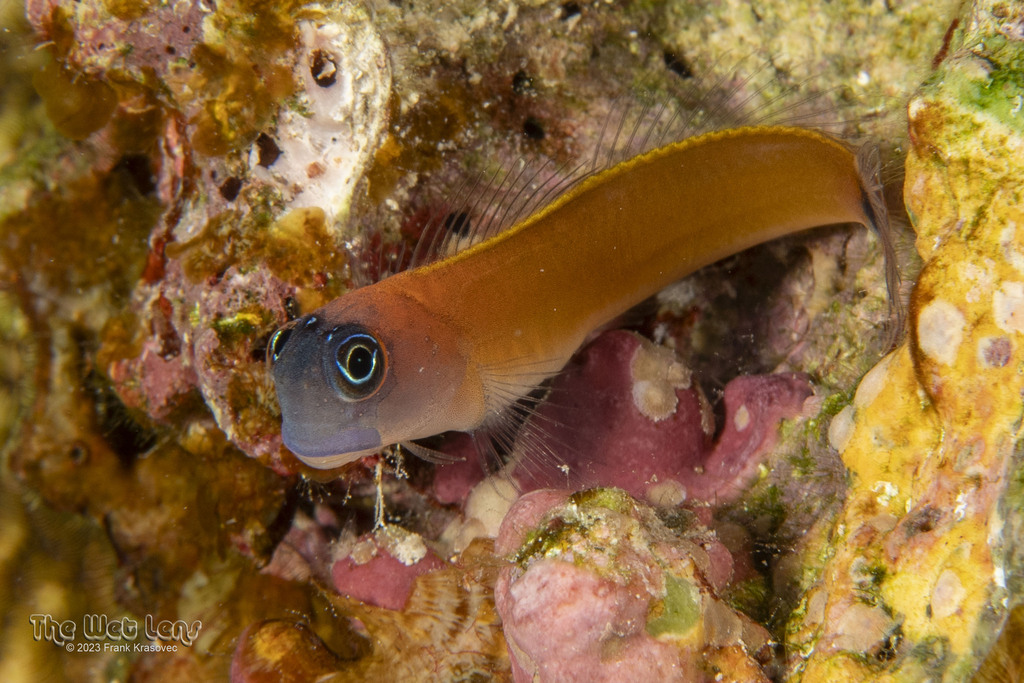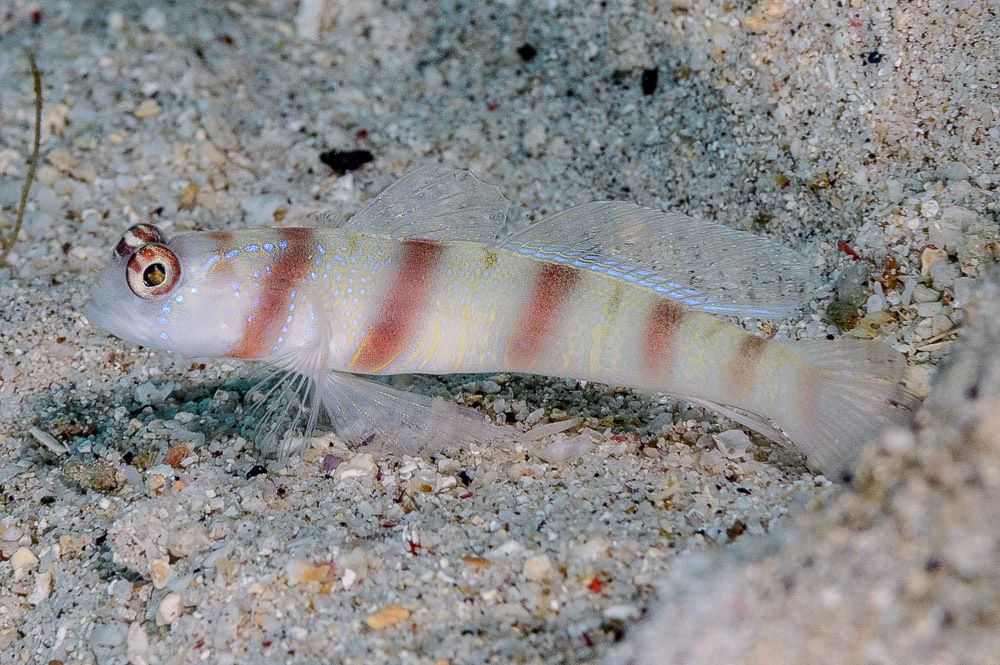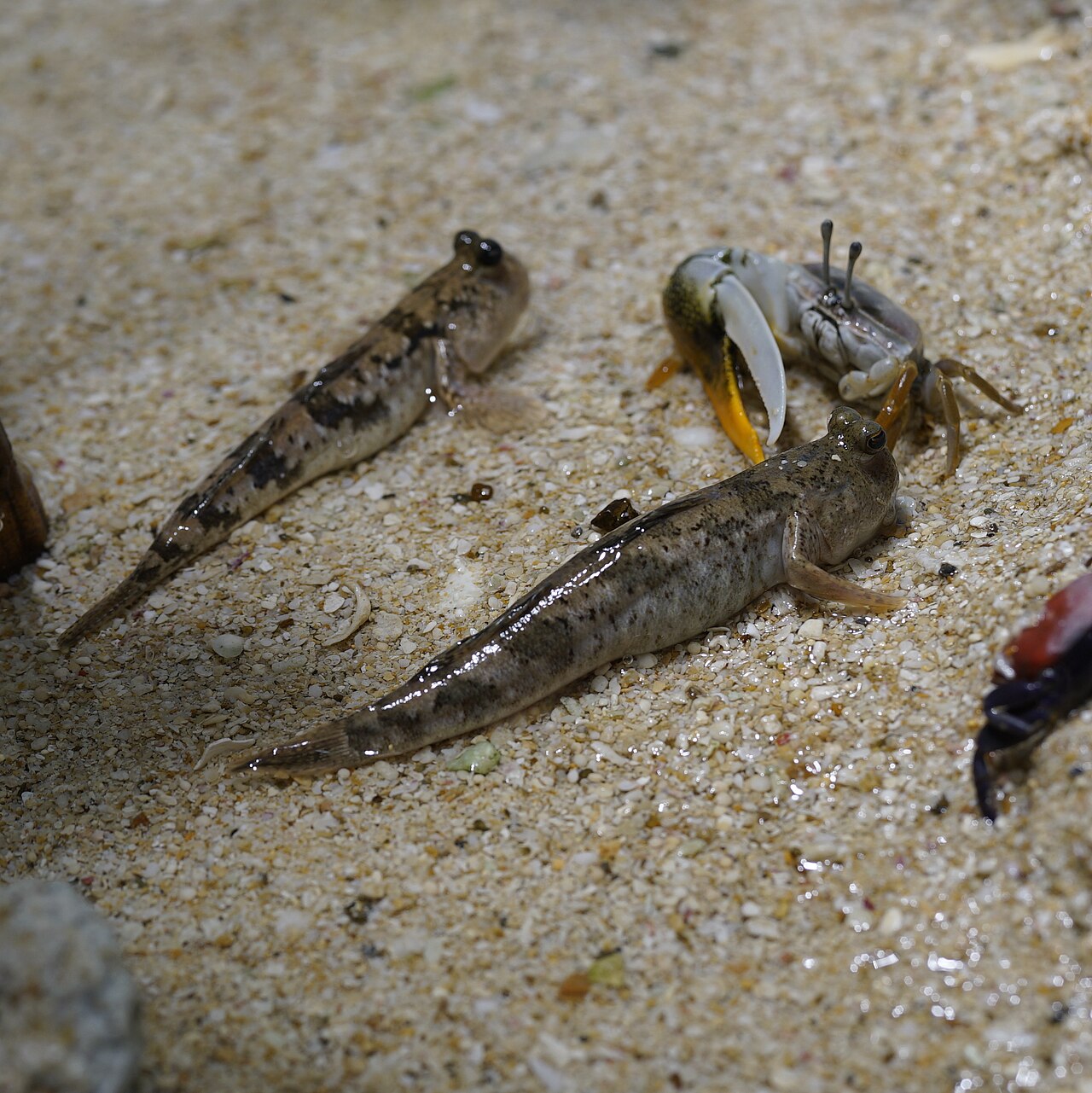
Barred mudskipper
periophthalmus argentilineatus
In Stock
Common stock
Wild Caught
Moderate care
With Caution
SKU: ML-MF-0237
The Barred mudskipper is a fascinating amphibious fish known for its unique ability to thrive both in water and on land.
Pricing for Verified Importers
Log in to see wholesale prices and order.
Export Size
up to 10.0 cm
Origin
Southeast Asia
Temperature
24.0–30.0°C
Min. Tank Size
100 L
Salinity
15.000–30.000 ppt
pH
7.00–8.50
Diet
carnivore
The Barred mudskipper (Periophthalmus argentilineatus) is a remarkable species of marine fish that has adapted to life in intertidal zones. Found predominantly in the muddy shores of Southeast Asia, this fish is known for its ability to 'walk' on land using its pectoral fins, making it a fascinating subject for both aquarists and researchers alike. The Barred mudskipper features a distinctive appearance with elongated bodies, vibrant coloration, and large, protruding eyes that are ideal for spotting predators and prey in its environment.
In its natural habitat, the Barred mudskipper resides in brackish waters, where mudflats and mangroves provide both shelter and feeding grounds. These areas are rich in detritus and invertebrates, which constitute the primary diet of this species. Behavioral adaptations are key to its survival; the Barred mudskipper is known for its territorial displays, where males engage in vigorous fights to establish dominance and attract mates.
The species exhibits a unique reproductive strategy, with males performing elaborate courtship displays to entice females. Nesting occurs in burrows dug into the mud, providing a safe environment for eggs. During low tide, the mudskippers can be seen basking on mudflats, where they absorb heat and moisture, further demonstrating their adaptation to a semi-aquatic lifestyle. Their ability to breathe through their skin and maintain hydration allows them to spend extended periods out of water.
Overall, the Barred mudskipper is not only a vital part of its ecosystem but also serves as an intriguing species for aquarium enthusiasts who wish to replicate its unique habitat in a controlled environment.
In its natural habitat, the Barred mudskipper resides in brackish waters, where mudflats and mangroves provide both shelter and feeding grounds. These areas are rich in detritus and invertebrates, which constitute the primary diet of this species. Behavioral adaptations are key to its survival; the Barred mudskipper is known for its territorial displays, where males engage in vigorous fights to establish dominance and attract mates.
The species exhibits a unique reproductive strategy, with males performing elaborate courtship displays to entice females. Nesting occurs in burrows dug into the mud, providing a safe environment for eggs. During low tide, the mudskippers can be seen basking on mudflats, where they absorb heat and moisture, further demonstrating their adaptation to a semi-aquatic lifestyle. Their ability to breathe through their skin and maintain hydration allows them to spend extended periods out of water.
Overall, the Barred mudskipper is not only a vital part of its ecosystem but also serves as an intriguing species for aquarium enthusiasts who wish to replicate its unique habitat in a controlled environment.
To successfully care for Barred mudskippers in an aquarium setting, it’s crucial to replicate their natural habitat as closely as possible. The ideal water parameters include a salinity of around 15-30 ppt, with a pH range of 7.0 to 8.5. Temperature should be maintained between 24°C and 30°C. A minimum tank size of 100 liters is recommended to provide ample space for their territorial behavior.
Feeding Barred mudskippers can be achieved by offering a varied diet that includes live foods such as brine shrimp, bloodworms, and small mollusks, as well as high-quality pellets designed for carnivorous fish. It is important to ensure that food is placed close to the substrate, as these fish spend much of their time foraging on the bottom.
Compatibility with other fish should be approached with caution; while they can coexist with other species that thrive in brackish environments, aggressive tank mates should be avoided. Acclimation should be gradual to prevent shock; it is recommended to float the bag in the aquarium for at least 30 minutes before releasing the fish. Quarantine new arrivals for at least two weeks to monitor for any signs of disease before introducing them to the main tank.
Feeding Barred mudskippers can be achieved by offering a varied diet that includes live foods such as brine shrimp, bloodworms, and small mollusks, as well as high-quality pellets designed for carnivorous fish. It is important to ensure that food is placed close to the substrate, as these fish spend much of their time foraging on the bottom.
Compatibility with other fish should be approached with caution; while they can coexist with other species that thrive in brackish environments, aggressive tank mates should be avoided. Acclimation should be gradual to prevent shock; it is recommended to float the bag in the aquarium for at least 30 minutes before releasing the fish. Quarantine new arrivals for at least two weeks to monitor for any signs of disease before introducing them to the main tank.
Barred mudskippers are suitable for shipping under controlled conditions. Packing density should allow for adequate space, typically 1-2 fish per liter of water. They are sensitive to temperature fluctuations; maintaining a consistent temperature between 24°C and 28°C during transit is essential. This species is not listed under CITES, but exporters should ensure compliance with local wildlife regulations.
Species Parameters
Max Adult Size
10.0 cm
Origin
Southeast Asia
Diet
carnivore
Temp Min
24.0 °C
Temp Max
30.0 °C
Salinity Min
15.000
Salinity Max
30.000
pH Min
7.00
pH Max
8.50
Min Tank
100 L