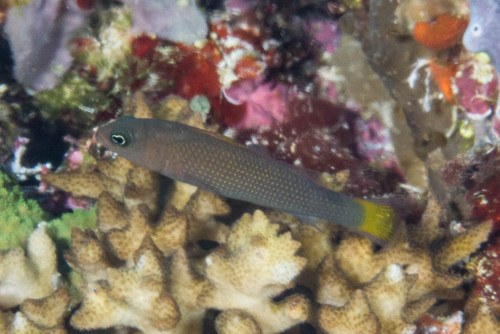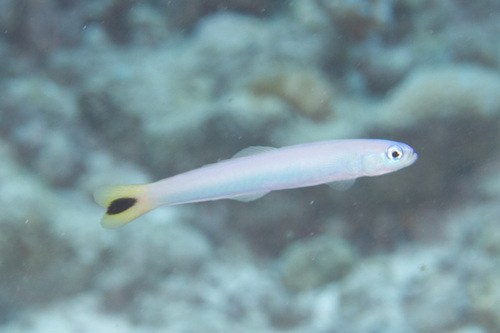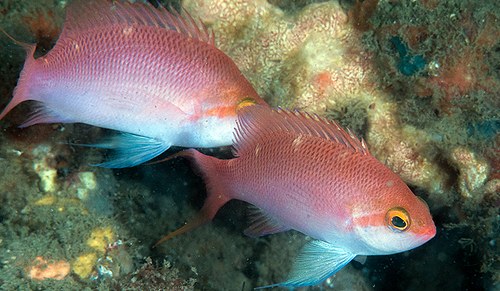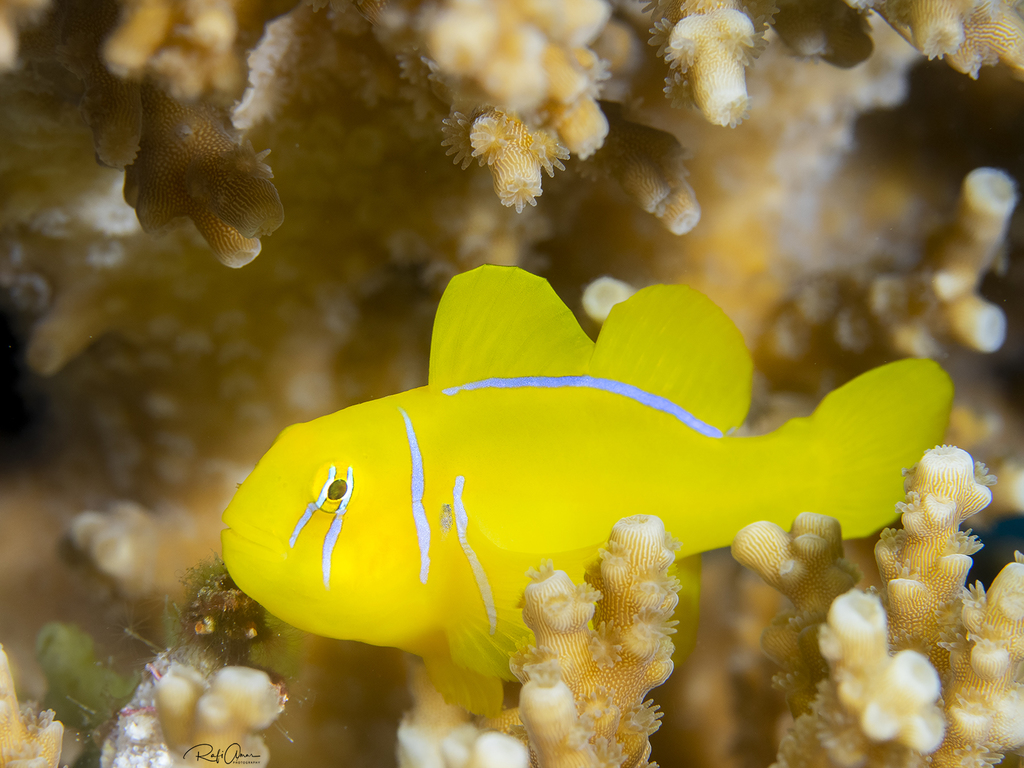
Bicolor Anthias
Pseudanthias bicolor
In Stock
Common stock
Wild Caught
Moderate care
With Caution
SKU: CB-MF-0238
The Bicolor Anthias is a vibrant marine fish known for its stunning colors and peaceful nature.
Pricing for Verified Importers
Log in to see wholesale prices and order.
Export Size
up to 10.0 cm
Origin
Indo-Pacific
Temperature
24.0–27.0°C
Min. Tank Size
200 L
Salinity
20.000–25.000 ppt
pH
8.10–8.40
Diet
omnivore
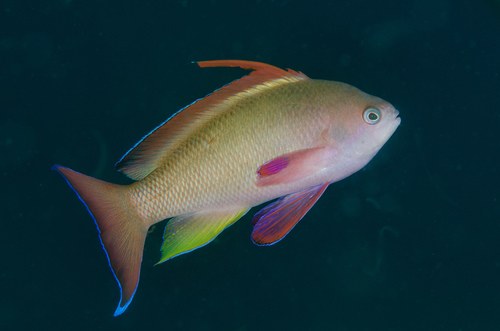
The Bicolor Anthias (Pseudanthias bicolor) is a striking marine fish found in the coral reefs of the Indo-Pacific region. Characterized by its vivid yellow and purple coloration, this species showcases a captivating display that makes it a favorite among aquarium enthusiasts. Adult males exhibit a more pronounced purple hue, while females and juveniles are predominantly yellow, adding diversity to any aquatic setting.
In terms of natural history, Bicolor Anthias are primarily found in deeper reef areas, typically at depths ranging from 30 to 100 meters. They prefer sheltered environments with plenty of coral formations that provide hiding spots and breeding grounds. These fish are social creatures, often seen in small groups or schools, which helps them avoid predators and enhances their overall well-being in a captive environment.
Behaviorally, Bicolor Anthias are known for their active swimming patterns. They tend to hover around the reef, darting in and out of crevices, which also aids in their feeding habits. These fish are plankton feeders, consuming small zooplankton and other microscopic organisms. Their lively nature and beautiful colors make them a sought-after species for both hobbyists and commercial aquarists.
The Bicolor Anthias thrives in warm, tropical waters, and its vibrant colors are a reflection of its healthy environment. Proper care and attention to water quality are essential for maintaining their vivid appearance and overall health in captivity.
In terms of natural history, Bicolor Anthias are primarily found in deeper reef areas, typically at depths ranging from 30 to 100 meters. They prefer sheltered environments with plenty of coral formations that provide hiding spots and breeding grounds. These fish are social creatures, often seen in small groups or schools, which helps them avoid predators and enhances their overall well-being in a captive environment.
Behaviorally, Bicolor Anthias are known for their active swimming patterns. They tend to hover around the reef, darting in and out of crevices, which also aids in their feeding habits. These fish are plankton feeders, consuming small zooplankton and other microscopic organisms. Their lively nature and beautiful colors make them a sought-after species for both hobbyists and commercial aquarists.
The Bicolor Anthias thrives in warm, tropical waters, and its vibrant colors are a reflection of its healthy environment. Proper care and attention to water quality are essential for maintaining their vivid appearance and overall health in captivity.
When caring for Bicolor Anthias, maintaining optimal water parameters is crucial. Ideal temperatures range from 24°C to 27°C, with a salinity of 1.020 to 1.025 ppt. The pH should be kept between 8.1 and 8.4 to replicate their natural habitat. A minimum tank size of 200 liters is recommended to provide ample swimming space and reduce stress.
Feeding Bicolor Anthias requires a varied diet; they thrive on a mix of high-quality marine flakes, frozen foods, and live mysis shrimp, which mimic their natural diet of zooplankton. Compatibility is generally good with other peaceful reef fish, but caution is advised when introducing them to aggressive species that may outcompete them for food.
Acclimation should be done gradually to minimize stress; a drip acclimation method is recommended. Quarantine new arrivals for at least two weeks to prevent any potential disease transmission. Providing a well-aquascaped environment with plenty of hiding spots will help Bicolor Anthias feel secure and thrive in a community tank.
Feeding Bicolor Anthias requires a varied diet; they thrive on a mix of high-quality marine flakes, frozen foods, and live mysis shrimp, which mimic their natural diet of zooplankton. Compatibility is generally good with other peaceful reef fish, but caution is advised when introducing them to aggressive species that may outcompete them for food.
Acclimation should be done gradually to minimize stress; a drip acclimation method is recommended. Quarantine new arrivals for at least two weeks to prevent any potential disease transmission. Providing a well-aquascaped environment with plenty of hiding spots will help Bicolor Anthias feel secure and thrive in a community tank.
Bicolor Anthias are suitable for shipping, but care must be taken to ensure they are packed securely to minimize stress. A packing density of 1 fish per 2 liters is recommended. These fish are sensitive to temperature fluctuations, so maintaining a stable temperature during transit is essential. They are not listed under CITES, simplifying export regulations.
Species Parameters
Max Adult Size
10.0 cm
Origin
Indo-Pacific
Diet
omnivore
Temp Min
24.0 °C
Temp Max
27.0 °C
Salinity Min
20.000
Salinity Max
25.000
pH Min
8.10
pH Max
8.40
Min Tank
200 L